New on Unearthing Optimism: Growing resilient communities starts with trees. LISTEN NOW

When (and When Not) to Prune Your Trees
The right cut at the right time helps trees thrive. Learn when pruning helps, and when it can harm.
July 15, 2026
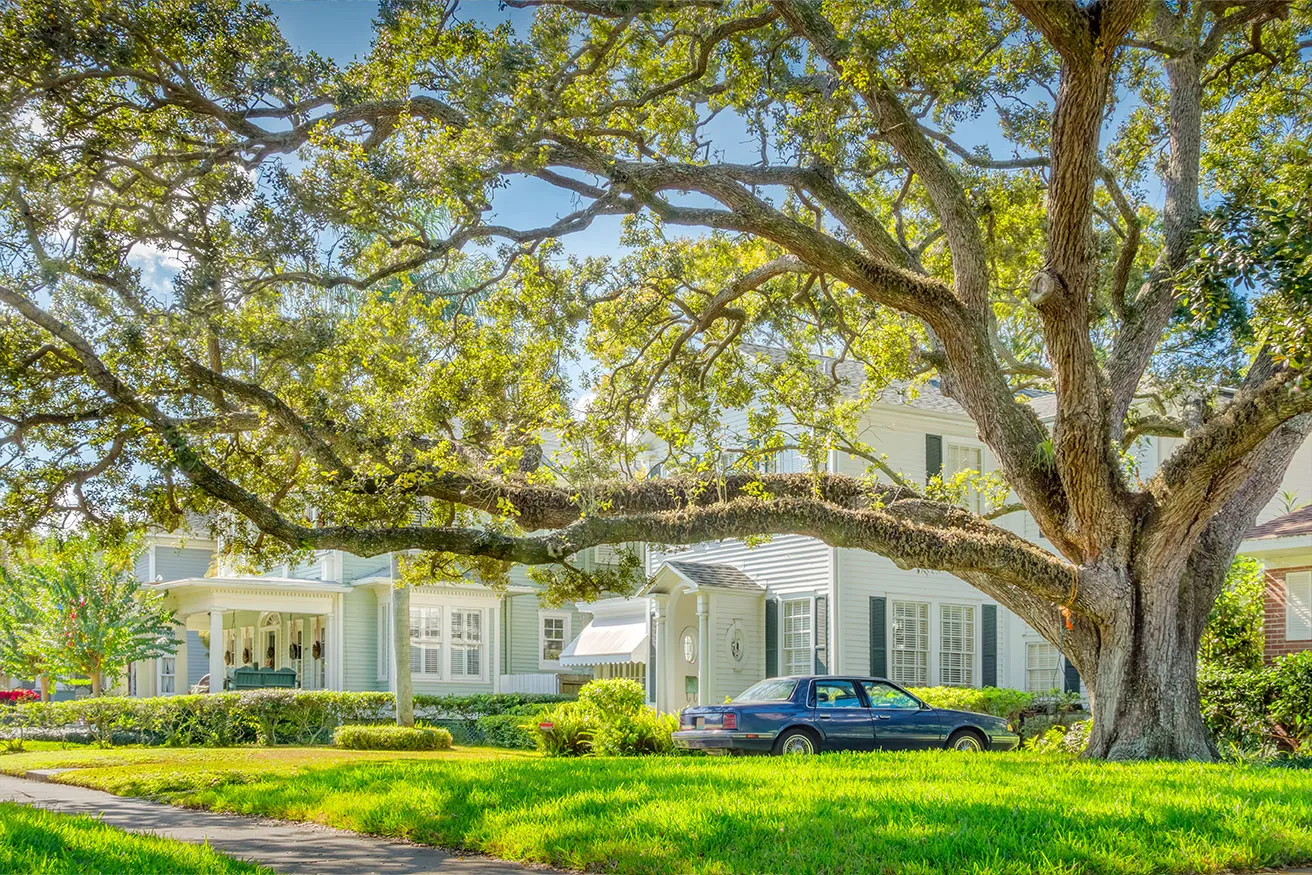
Pruning is important to help trees develop good structure, but timing and technique matter.
Done well, pruning helps trees grow stronger and better able to withstand storms. Done poorly, it can leave trees stressed, vulnerable to disease, or structurally weak. The good news: a few basic guidelines can go a long way in protecting your trees.
START BY CHECKING THE TIMING
Technically, trees can be pruned at almost any time of year. But before making cuts, it’s important to consider the species and any disease or pest risks in your area.
For example, pruning oak trees during certain times of year can increase the risk of oak wilt, a serious disease that spreads when insects are attracted to fresh cuts. Fruit trees, including apples, can also be vulnerable to diseases like fire blight if pruned at the wrong time.
Because these risks vary by region, it’s always wise to check with a local ISA Certified Arborist®, university extension office, or state forestry agency before pruning.
PRUNING GOALS CHANGE AS A TREE GROWS
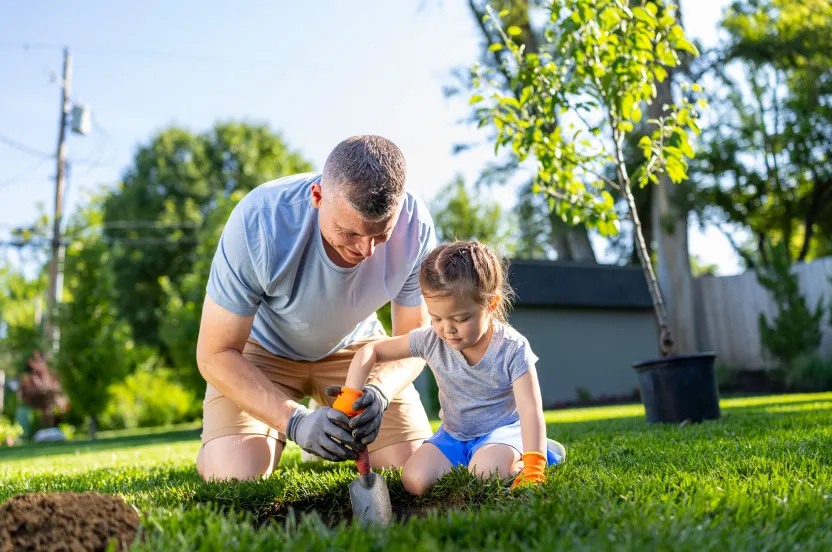
For young trees, pruning is about guidance. Early structural pruning helps develop a strong central leader (the main trunk) and well-spaced branches. Think of it like training a puppy — a little direction early on helps prevent bigger problems down the road.
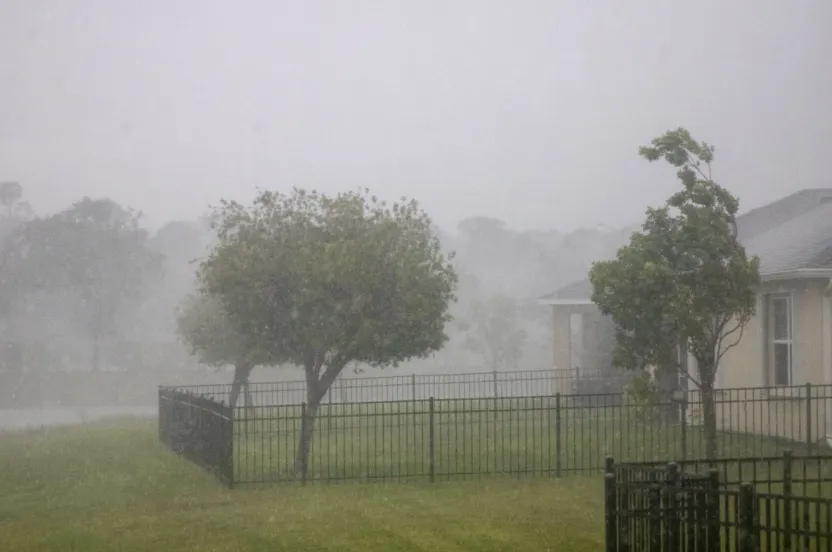
As trees mature, pruning becomes more about maintenance and safety. Removing dead, damaged, crossing, or poorly attached branches improves tree structure, reduces strain on heavy limbs, and reduces risk of failure during storms.
MAKE THE RIGHT CUT
How a cut is made matters just as much as when it’s made. When removing larger branches, arborists recommend the three-cut method, which prevents bark from tearing and allows the tree to seal the wound more effectively. Cuts should be made just outside the branch collar, the slightly raised area where the branch meets the trunk. Improper practices like topping or making flush cuts can weaken trees, invite decay, and create costly problems later on.
KNOW WHEN TO CALL A PROFESSIONAL
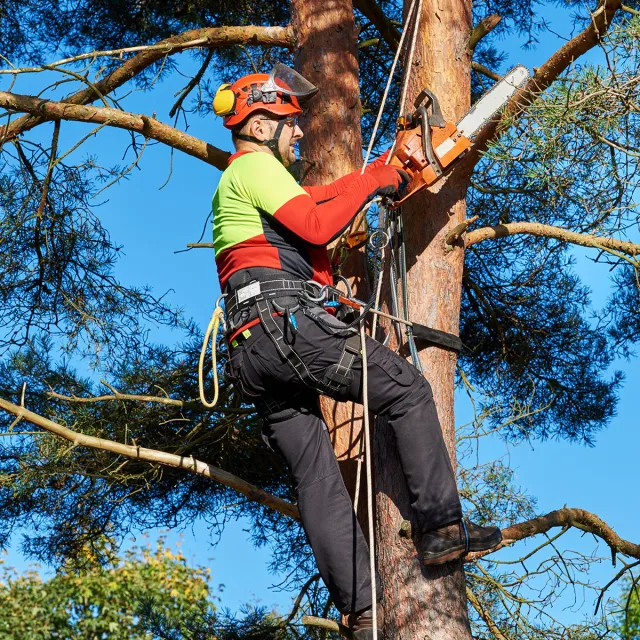
Many homeowners can safely prune small trees and reachable branches using proper techniques. But if the job requires a ladder, climbing, or a chainsaw, it’s best to bring in an ISA Certified Arborist® to ensure the work is done safely and correctly.
One final tip: avoid pruning during the driest part of the year, often late summer, when trees are already under stress. If pruning is necessary during a dry period, make sure the tree receives consistent water afterward.
With the right timing and care, pruning can set your trees up for a lifetime of strength, beauty, and resilience.