New on Unearthing Optimism: Growing resilient communities starts with trees. LISTEN NOW

Trees for Pollinators: How Flowering Trees Support Bees, Butterflies, and Birds
Planting flowering trees and shrubs helps provide food, shelter, and habitat for pollinators.
April 15, 2026

Pollinators don’t just rely on flowers at ground level, many depend on trees and shrubs, too.
When people think about helping pollinators, they often picture colorful flower beds filled with wildflowers and perennials. Those plants are important, but they’re only part of the picture.
Trees and shrubs also play a powerful role in supporting bees, butterflies, birds, and other wildlife. In fact, a landscape that includes a diverse mix of plants — from herbaceous flowers to shrubs and trees — can support far more pollinators than one that relies on a single layer of vegetation.
The key is diversity.
TREES PROVIDE FOOD FOR POLLINATORS
Many trees produce nectar, pollen, or fruit that insects and wildlife rely on throughout the growing season. Flowering trees are especially valuable because they often bloom early in spring, providing one of the first food sources available to hungry insects.
Some pollinator-friendly trees include:
- Fruit trees, such as apple, pear, and cherry
- Lindens, which are highly attractive to bees
- Willows, which produce a critical source of pollen and nectar early in the season
Shrubs can be just as important. Consider adding species like:
- Serviceberry (Amelanchier)
- Chokeberry (Aronia)
- Shrub willows (Salix)
- Nannyberry and cranberrybush viburnum (Viburnum)
Together, these plants create a steady supply of food that supports pollinators from spring through fall.
TREES CREATE HABITAT AND RESTING PLACES
Pollinators need more than food. They also need safe places to rest, nest, and shelter. This is where trees and shrubs shine.
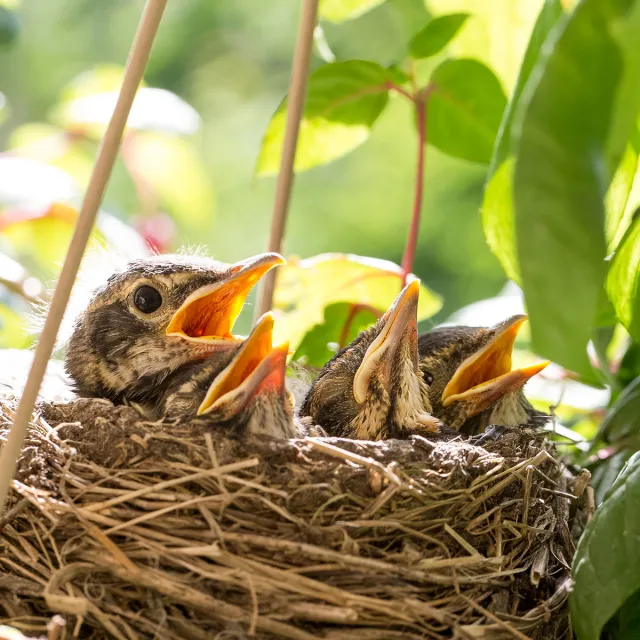
Their branches, bark, and leaves create structure in the landscape that supports a wide range of wildlife. Birds perch and nest in the canopy, while insects use leaves and stems for protection from weather and predators. Landscapes with varying plant heights, like groundcovers, flowers, shrubs, and trees, create layered habitat that supports more species.
DIVERSITY MAKES THE DIFFERENCE
If you want to attract pollinators, think beyond a single planting bed. A landscape with diverse plant species and multiple layers of vegetation offers more food, more shelter, and more opportunities for wildlife to thrive.
Adding flowering trees and shrubs is one of the easiest ways to expand that habitat, and turn your yard into a place where pollinators can truly flourish.