The AP’s Peter Prengaman talks news and hope in Unearthing Optimism. LISTEN NOW

Scorch and Stress: Reading Your Tree’s Summer Signals
Leaf scorch, early leaf drop, and dry soil can signal heat or water stress in trees.
June 5, 2026

During stretches of hot, dry weather, trees can quickly experience water stress. The tricky part? They don’t always show stress in obvious ways. Learning to read the signals — like leaf scorch, premature leaf drop, or drying soil — can help you step in before the problem gets worse.
WATCH FOR LEAF SCORCH
One of the most common signs of summer stress is leaf scorch, which appears as browning or shriveling along the edges of leaves or needles, sometimes extending along the veins. It happens when a tree loses water faster than it can replace it, often due to heat, drought, or inconsistent watering.
Both overwatering and underwatering can produce similar symptoms, which makes it important to check soil moisture before adjusting your watering routine.
WILTING THAT DOESN’T RECOVER
During extremely hot days, trees may temporarily wilt as they conserve water. This is a normal response to heat. But healthy trees typically recover overnight when temperatures cool. If leaves remain wilted or drooping the next morning, your tree may need additional water.
Young trees are especially vulnerable to water stress because their root systems are still developing; whereas mature trees are more resilient, but they can still struggle during long periods without rainfall.
CHECK THE SOIL, TOO
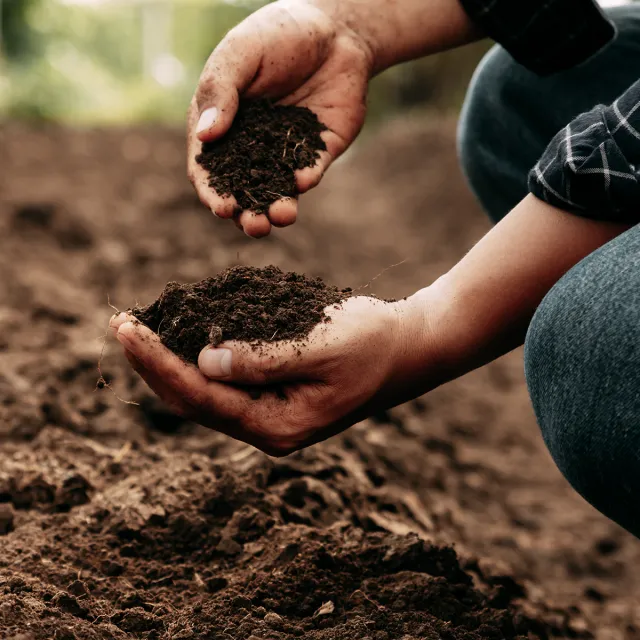
The condition of the soil can tell you a lot about what your tree is experiencing, too. Different soil types hold water in different ways:
- Clay soils hold water longer but can shrink and crack during drought
- Sandy soils drain quickly and may dry out faster
- Loamy soils (with more silt) typically retain moisture best
Adding organic materials like mulch can help moderate soil temperatures and slow moisture loss, creating better conditions for tree roots.
A SIMPLE SOIL MOISTURE TEST
Not sure if your tree needs water? Try this quick test to help you avoid the guesswork that leads to overwatering or underwatering.
Push a long-handled screwdriver into the soil about 8 inches deep near the tree’s root zone:
- If it slides in easily and leans or tilts, the soil may be too wet
- If it goes in easily and stands upright, moisture levels are likely just right
- If you can’t push it in easily, the soil is probably too dry
WHEN TREES DROP THEIR LEAVES
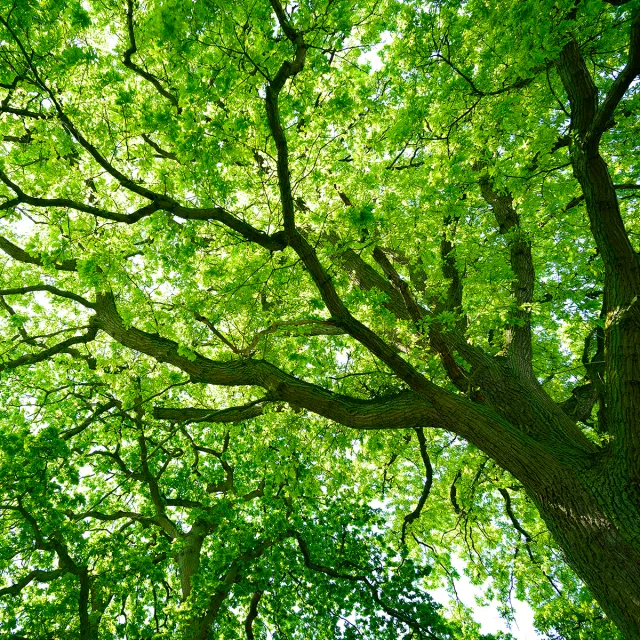
During severe drought, some deciduous trees may shed leaves early to protect themselves. By dropping foliage, the tree reduces the amount of water it loses through evapotranspiration.
While this can look alarming, it’s often a survival strategy. If conditions improve, some species may even produce a second flush of leaves later in the season.
SKIP FERTILIZER DURING DROUGHT
When trees are stressed by heat or drought, fertilizer won’t help (and can actually make things worse). Fertilizers encourage growth, which requires water that the tree may not have. During dry periods, focus on proper watering and soil care instead.
LISTEN TO WHAT YOUR TREE IS TELLING YOU
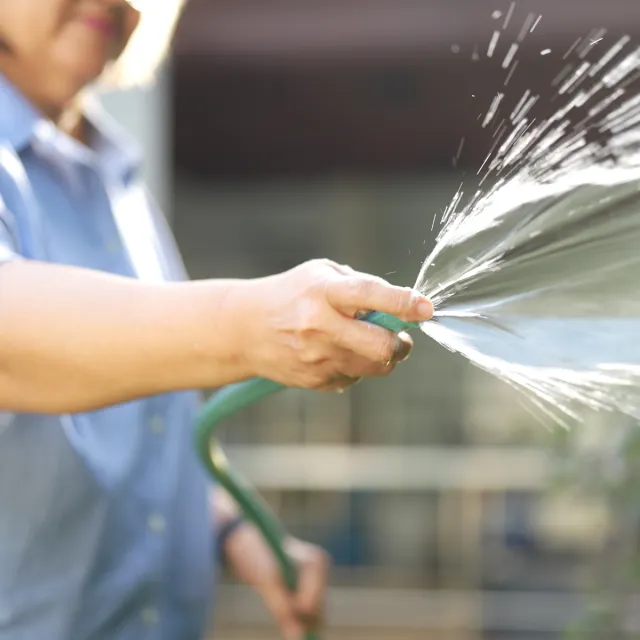
Trees can’t ask for water, but they do send signals when they need help. By watching for leaf scorch, unusual wilting, soil changes, and early leaf drop, you can respond quickly and help your trees stay healthier through the heat of summer.