The AP’s Peter Prengaman talks news and hope in Unearthing Optimism. LISTEN NOW

Trees in Communities
Your Street is Getting Hotter.
Trees Can Help.
Summers are intensifying across every U.S. city. The solution is already growing, we just need more of it.
Explore trees and temperatures in your city
Our canopy map shows the relationship between heat and tree coverage in towns across the U.S. Enter your city in the search bar in the upper right corner, zoom to your neighborhood, and toggle the canopy and urban heat index layers in the bottom right to see how trees affect temps where you live.
Heat and tree cover
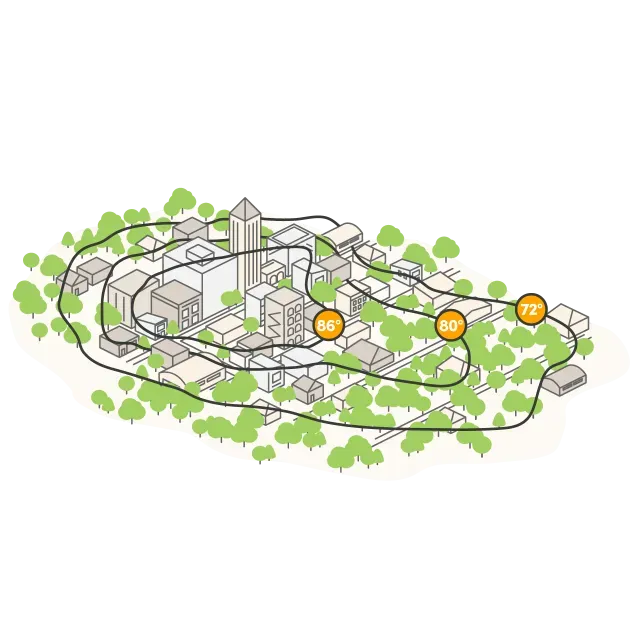
What is an urban heat island?
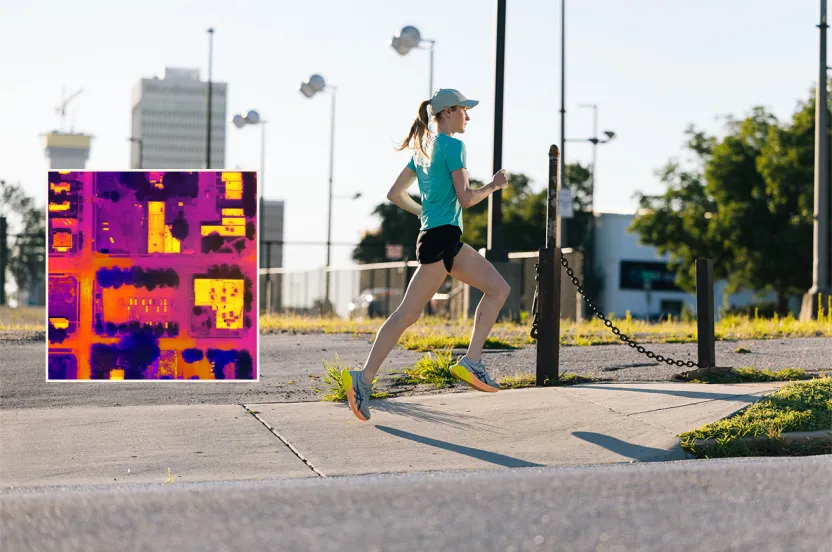
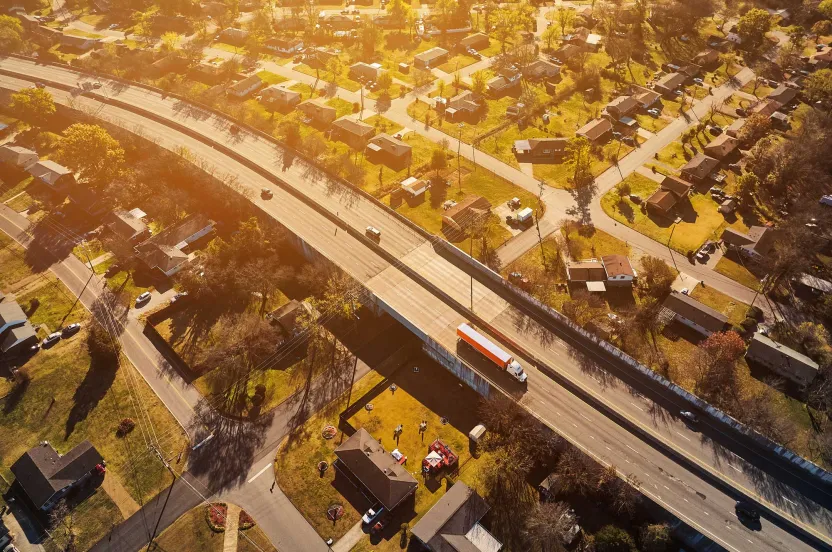
Cities with less tree cover tend to heat up faster, especially in areas with more pavement, buildings, and fewer shaded spaces. This urban heat island phenomenon can raise temperatures and increase the risk of heat-related illness.
Planting and protecting trees helps cool these areas, making neighborhoods safer and more livable.
Cooling solutions
How trees help
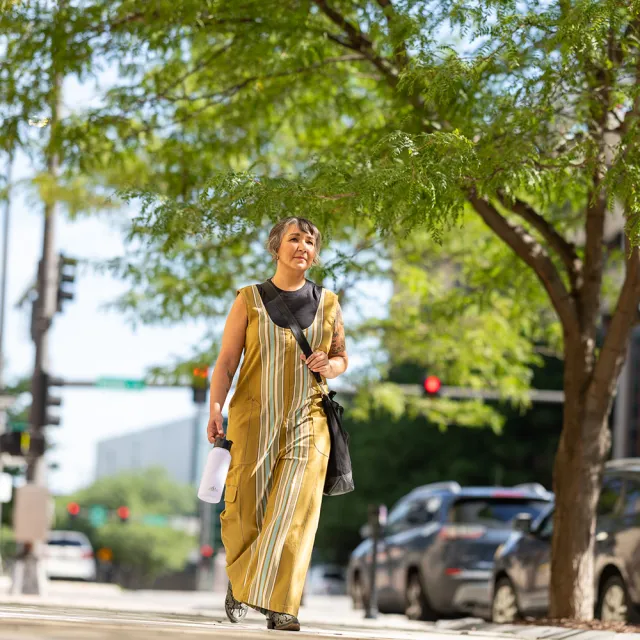
Trees naturally cool the air by providing shade and releasing moisture through their leaves. This can lower surface and air temperatures, especially in areas that absorb and hold heat.
Strategically planting trees near streets, homes, and buildings can also reduce energy use and improve air quality which can be exasperated by excessive heat.
Take action
You can cool communities
with trees
Your gift plants trees to protect our hottest cities from summer heat. To keep our streets and sidewalks cool, we need to plant trees today.
Everyone has a part to play
You can make a difference
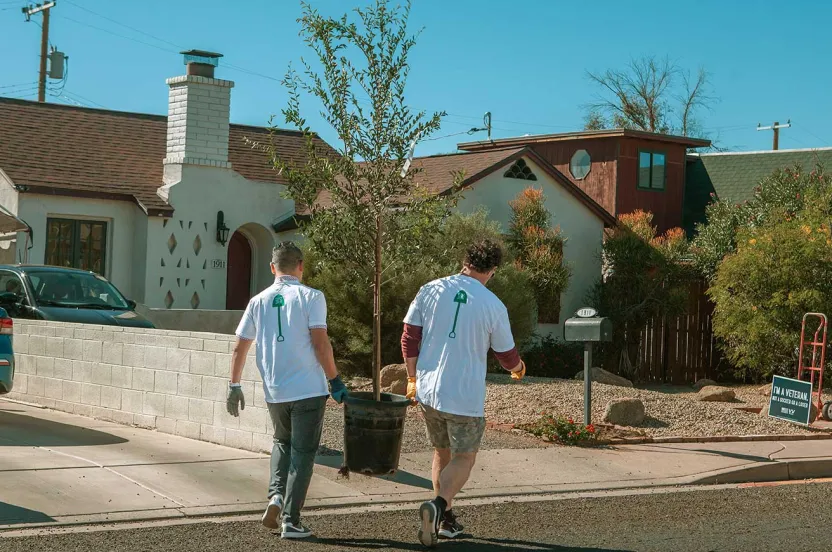
Order trees from our nursery or find a local planting event. Even one tree can help cool your block.
Grow your company's impact
Partner with us to support large-scale planting in heat-vulnerable areas. We handle planning, planting, and reporting.
Help plant a cooler future
Work with us to plan and carry out local planting efforts. We support cities, campuses, and community organizations.
FAQs
Have questions about extreme heat and how trees help? Here are quick answers to some of the most common topics.
Trees cool cities in two ways. First, trees canopies block direct sunlight from hitting pavement, buildings and sidewalks reducing surface temperatures. Second, trees release water vapor through their leaves cooling the surrounding air.
Together, these effects make streets and neighborhoods noticeably cooler and more livable.
Neighborhoods with healthy tree canopy can be up to 10°F cooler than nearby areas without trees. That difference can turn extreme heat from dangerous to manageable during peak summer conditions.
Without trees, hard surfaces such as concrete, asphalt and buildings absorb the sun’s energy. These areas heat up faster, stay hot longer, and offer little relief. Many of these neighborhoods also have fewer resource to manage heat, increasing overall risk.
Trees help everyone, but they matter most for people without air conditioning, those who spend time outdoors, and people with higher risks such as older adults and those with underlying health conditions. Even small temperature drops can significantly improve safety and comfort for all.
Yes. Properly placed trees shade buildings and reduce indoor temperatures, which lowers the need for air conditioning. This can help families with lower utility bills, particularly during peak summer months.
Excessive heat increases the risks associated with almost every major illness. Trees can serve as a public health tool to help combat these conditions by:
- Reducing the risk of heat stroke and heat related illness by lowering ambient temperatures.
- Supporting cardiovascular and respiratory healthy by filtering pollutants to improve air quality.
- Promoting mental well-being and stress reduction.
Cities are getting hotter due to rising global temperatures, rapid urbanization and the increased frequency and intensity of heat waves. Most importantly, excessive heat is now the deadliest weather-related hazard in the United States. Because cities are warming faster than surrounding areas, addressing urban heat has become a top priority for climate resilience and public health efforts.