The AP’s Peter Prengaman talks news and hope in Unearthing Optimism. LISTEN NOW

Natural Disaster Recovery Takes Decades, Not News Cycles
Discover how the Arbor Day Foundation approaches recovery with local expertise, thoughtful planning, and long-term commitment.
October 15, 2026
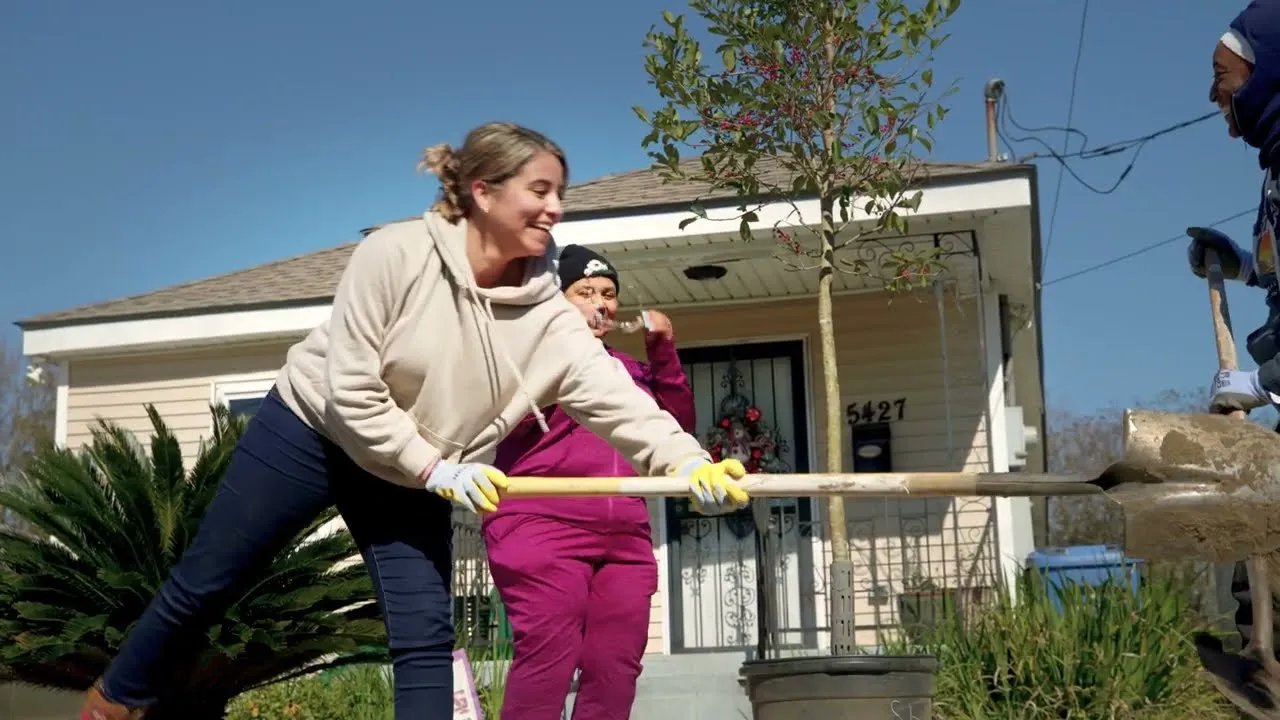
Every disaster leaves a different mark on a landscape and the people who call it home. That’s why lasting recovery begins with listening, understanding the need, and planning for what comes next.
When a natural disaster strikes, the need to help is immediate. But while the headlines may fade in days or weeks, the work of restoring communities and forests can take years — sometimes decades.
A wildfire can transform an entire forest, while hurricanes, tornadoes, and floods can uproot trees, damage ecosystems, and reshape the places people call home. And recovery doesn't begin and end with planting new trees. It requires understanding what was lost, caring for what remains, and determining what each landscape needs to thrive again.
Since 1990, the Arbor Day Foundation has worked alongside local partners to help communities and forests recover from natural disasters across the country. Through decades of experience, one thing has become clear: no two disasters are alike, and no single approach works everywhere.
That's why we approach recovery with a long-term perspective — listening to local experts, planning for the unique needs of each landscape, restoring with intention, and staying committed as communities and forests grow back.
Here are four principles guiding our disaster recovery work:
1. UNDERSTAND THE NEED
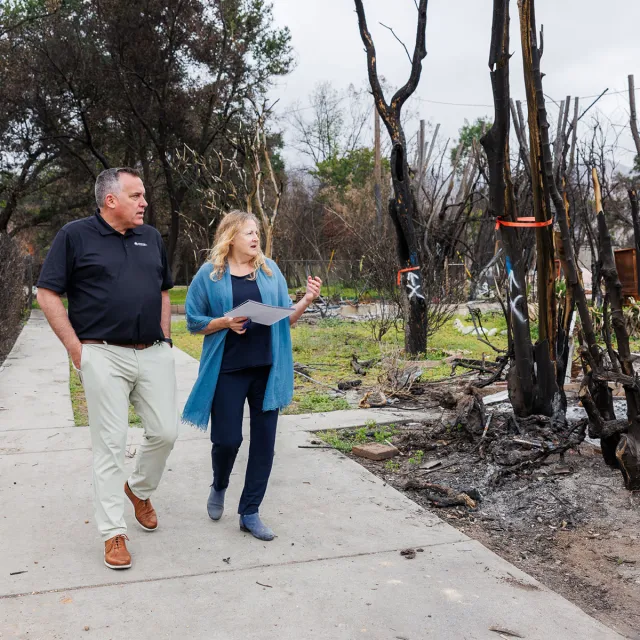
Before recovery can begin, we need to understand what happened on the ground.
That starts with people.
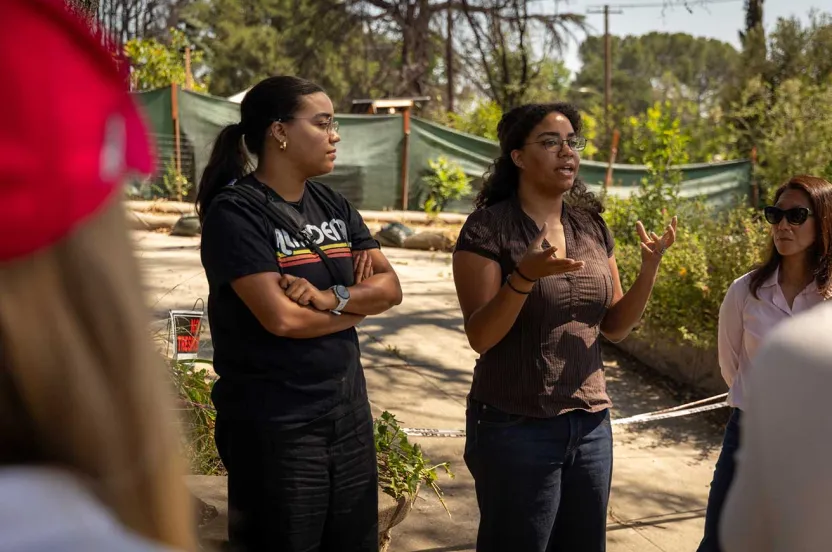
The Arbor Day Foundation maintains relationships with a global network of planting partners — local organizations, foresters, arborists, government agencies, and others who understand the unique needs of their communities and landscapes. When disaster strikes, those relationships allow us to connect quickly, check on our partners' safety, and understand their immediate needs.
From there, the questions become more specific. What was lost? What survived? Which areas are most vulnerable? What does the soil need? What is the community ready for? And where could trees contribute most to recovery?
The answers aren't always obvious.
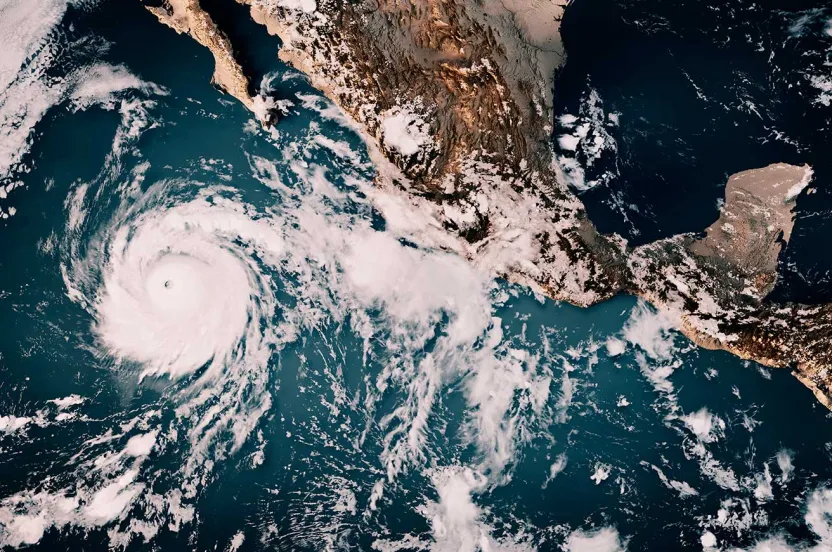
After a hurricane, for example, a tree may appear healthy while suffering from damage to its roots or internal structure. Flooding and saltwater can create additional challenges. In some places, the priority may be caring for surviving trees before thinking about replacement.
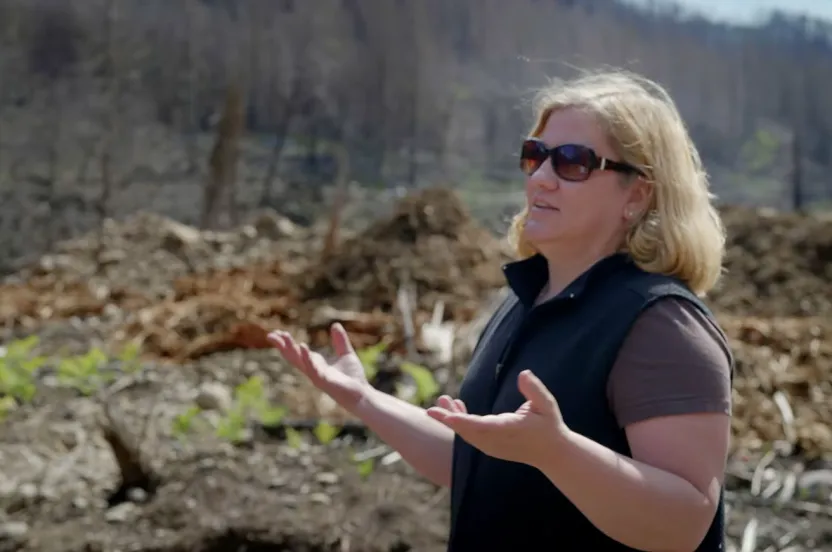
After wildfire, the landscape may require even more time and assessment. The severity of a fire can vary dramatically from one area to another, and recovery depends on factors including soil health, surviving vegetation, and the needs of surrounding communities. The Foundation's wildfire work emphasizes understanding and evaluating affected areas before determining when, where, and what to replant.
We’ve learned that recovery truly starts by listening.
2. PLAN FOR THE LANDSCAPE
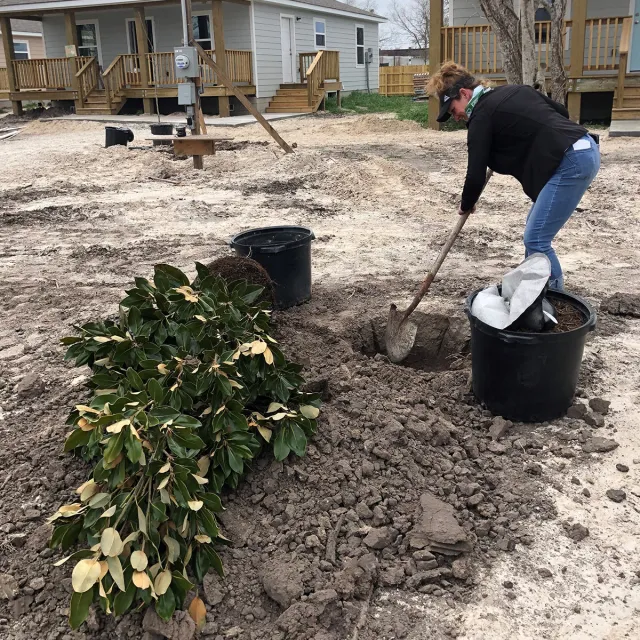
Once we understand the need, we can begin planning for what comes next. This is where the Foundation's approach becomes intentionally specific.
A tree isn't automatically the right answer simply because trees were lost. The right species, location, and timing all matter. Planting decisions may consider soil conditions, climate, habitat, available space, community priorities, and the long-term health of the landscape.
And sometimes, the most important part of the plan is waiting.
After some wildfires, for example, soil may need time to recover before replanting can begin. The Foundation notes that fire-affected soil can require at least two years to recover, but preparation doesn't have to wait. Teams can begin assessing damage, mapping priorities, and planning future restoration while the landscape heals.
The same principle applies after storms.
Sometimes planting can begin soon after debris is cleared. In other places, recovery efforts may not begin for seasons. The timing depends on the extent of damage, immediate community needs, cleanup, soil health, and other conditions.
Planning also means preparing for the future and making sure the trees selected today have the best possible chance to thrive for decades. We’ve learned successful restoration isn’t about replacing every tree exactly where it once stood; it’s about putting the right trees in the right places at the right time.
3. RESTORE WITH INTENTION
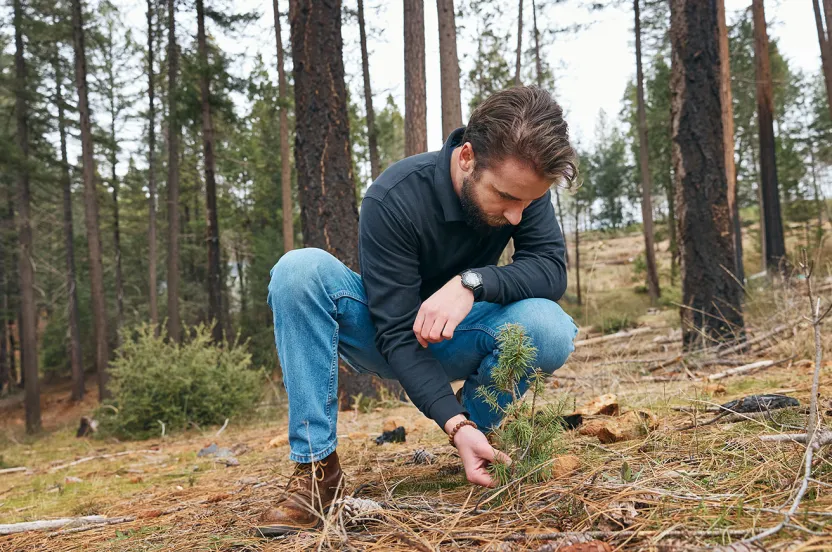
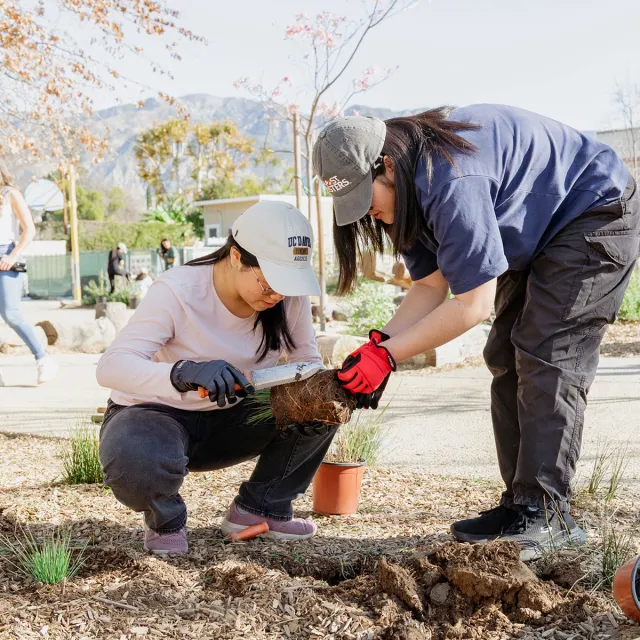
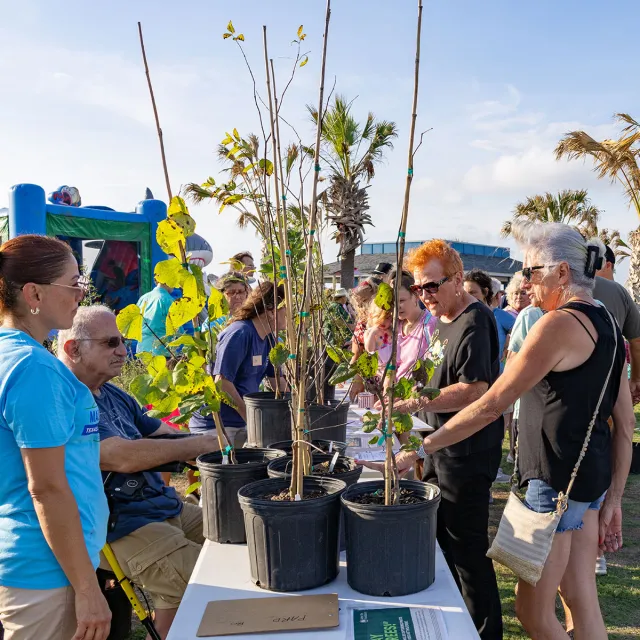
When the landscape is ready, restoration can begin. That may mean planting trees in a forest, distributing trees to residents, restoring an urban neighborhood, or rebuilding habitat across a larger ecosystem.
And because every disaster is different, restoration can look very different, too.
Following the 1988 Yellowstone fires, the Foundation began a decades-long reforestation partnership with the U.S. Forest Service. Millions of trees were planted by hand across steep terrain, helping restore water quality, wildlife habitat, and biodiversity.
In communities affected by hurricanes, restoration can be more personal and neighborhood-focused.
Following Hurricane Sandy, the Foundation worked with the New Jersey Forest Service for years to replace trees lost across affected communities. In New Orleans' Lower Ninth Ward, tree recovery has continued decades after Hurricane Katrina, helping residents reclaim the benefits and sense of home that trees provide.
And following Hurricanes Helene and Milton, the Foundation pledged to plant 10 million trees across six affected states as communities and forests continue to recover.
Different disasters. Different landscapes. Different needs.
The goal remains the same: thoughtful restoration that gives trees and communities the best chance to thrive.
4. STAY FOR THE LONG TERM
Planting a tree is a moment, but recovery is a process.
A newly planted tree needs care. A recovering forest needs time. Communities continue to change long after the debris has been cleared and the news cameras have moved on. That's why the Foundation's work doesn't stop when the last tree is planted.
Long-term recovery means continuing to work with local partners, supporting the health of new and existing trees, and adapting as conditions and community needs evolve. The Foundation's disaster-recovery approach can span months or years because the goal isn't simply to restore what was lost — it's to help forests and communities become healthier, stronger, and better prepared for what comes next.
In some places, that commitment lasts for decades.
The Foundation's work in New Orleans following Hurricane Katrina, with the New Jersey Forest Service following Hurricane Sandy, and in northern California after the Camp & Carr fires are all tangible reminders that recovery doesn't follow a news cycle.
And sometimes, staying for the long-term means continuing to learn.
Natural disasters are becoming an increasingly urgent challenge for communities and forests around the world. But the answer isn't simply to plant more trees, faster. It's to understand the landscape. Listen to the people who know it best. Plan for what comes next. And when the time is right, restore with intention.
That's why the Arbor Day Foundation's approach can look different from one disaster to the next while remaining rooted in the same principles. Together with local partners and supporters around the world, we can help communities and forests recover — not by rushing to recreate what was lost, but by planting a foundation for what comes next.
HELP RECOVERY TAKE ROOT
Natural disaster recovery takes time, expertise, and resources. Your support helps the Arbor Day Foundation work with local partners to prepare and carry out tree recovery efforts for communities and forests in need.
Help people and places recover
Give today to support restorative tree planting in the months, years, and decades following natural disasters.