New on Unearthing Optimism: Growing resilient communities starts with trees. LISTEN NOW

Beyond the Headlines: Investing in Natural Disaster Recovery
Learn how corporate support can help communities with restoration after natural disasters.
October 22, 2026
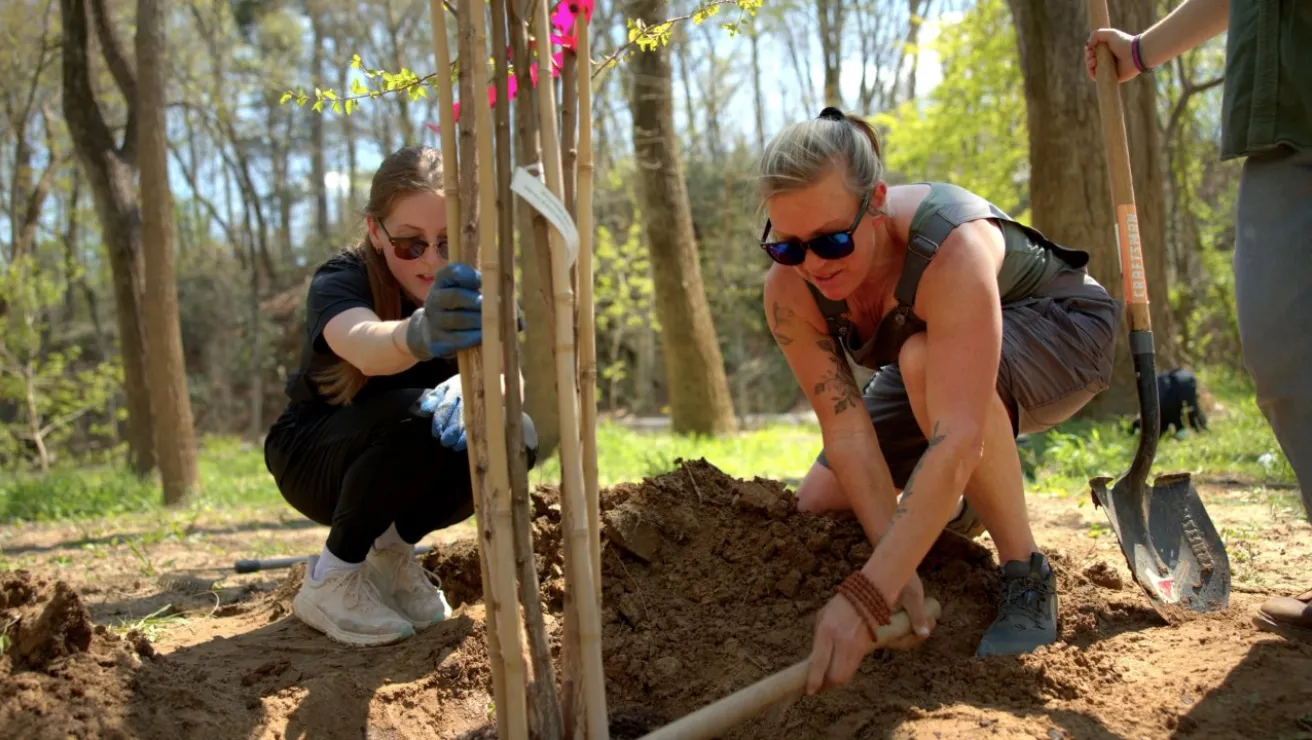
Disaster recovery can take years — and meaningful support can begin long before the first new tree is planted. Corporate investment can help communities respond to immediate needs while preparing for long-term restoration.
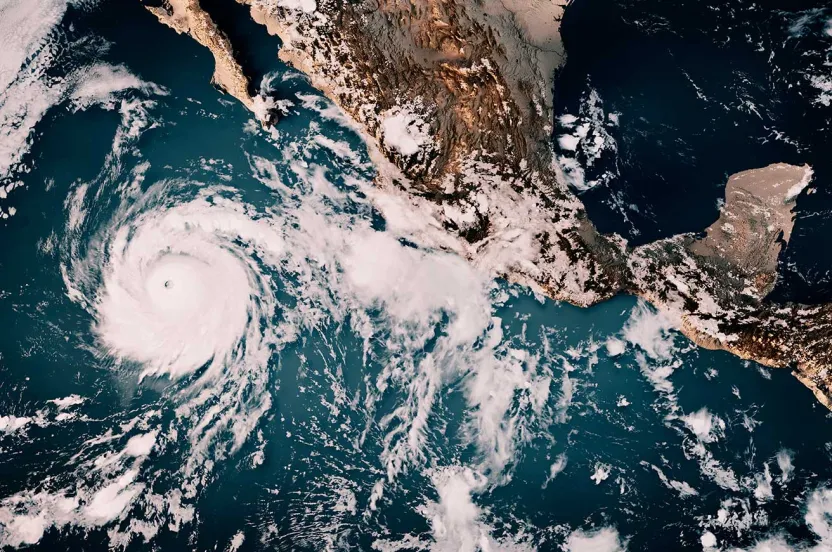
The number of weather-, climate- and water-related disasters has increased fivefold over the past 50 years, according to the World Meteorological Organization. Across the country, communities are facing natural disasters that are becoming more frequent and more destructive — from wildfires and hurricanes to floods, tornadoes, and other extreme events.
For those communities, recovery is not simply a matter of responding to a disaster and moving on. It can take years, sometimes decades, as people rebuild, landscapes heal, and communities work to restore the trees and natural systems that support them.
For companies, that creates an opportunity to support recovery from the first weeks after a disaster to years after. Research from the World Resources Institute, for example, finds that every $1 invested in climate adaptation can yield more than $10.50 in benefits over 10 years.
The Arbor Day Foundation has been helping communities recover from natural disasters since 1990, restoring forests and community landscapes after extreme weather events. That experience has shaped an approach designed to respond quickly, listen to local needs, and stay engaged for the long haul.
Today, the Foundation can put corporate support to work across every stage of recovery. Whether a company wants to help in the immediate aftermath, care for surviving trees, prepare a landscape for replanting, or support years of restoration, the Arbor Day Foundation can help turn that investment into meaningful action. A network of more than 5,000 municipalities, planting partners, and local organizations helps connect resources with communities, while an expanded approach allows support to begin within weeks of a disaster.
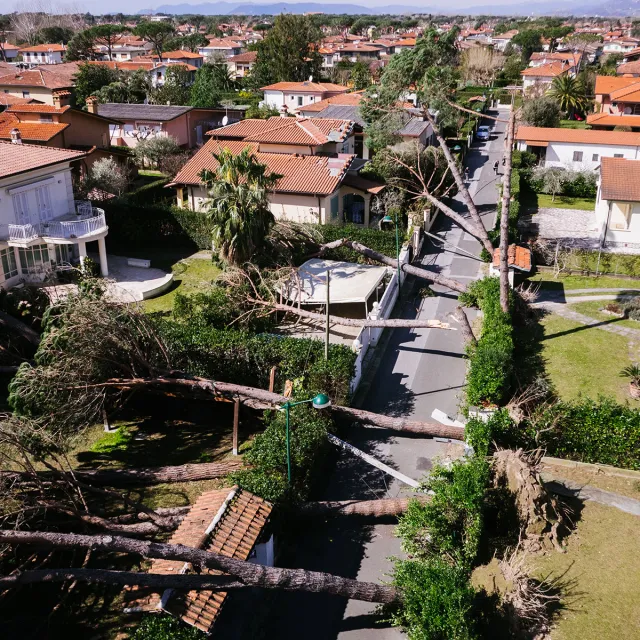
1. DISASTER EVENT
When a disaster strikes, the first priority is understanding what the affected community needs. The Arbor Day Foundation begins by checking in with local partners and assessing where support is needed most. That local perspective helps determine what recovery should look like and which steps should come first.
For corporate partners, that can mean committing support early while trusting the Foundation to help shape an effective response. The expertise of our local network is one reason partners often reach out immediately after a disaster, ready to help but looking for guidance on how their support can have the greatest return.
That starts the recovery process with people and communities, not a predetermined, one-size-fits-all solution.
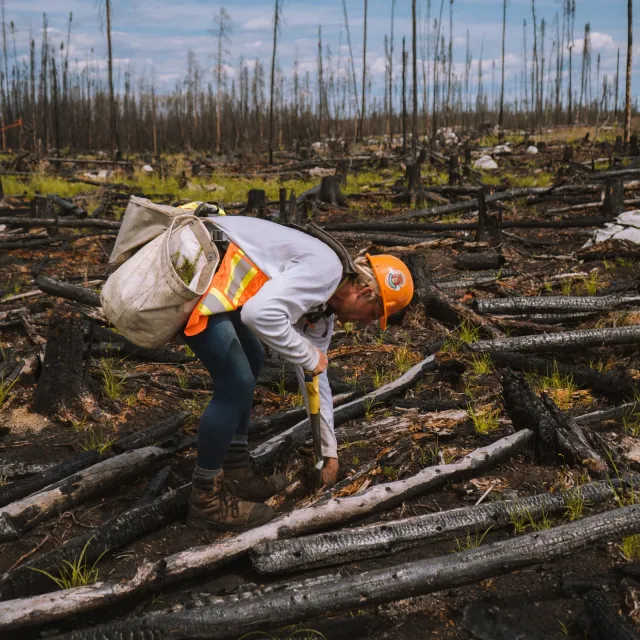
2. IMMEDIATE CLEANUP
In the first weeks after a disaster, life and safety come first.
Burned trees and damaged vegetation can create hazards that need to be addressed before longer-term restoration can begin. Hazard tree removal, pruning, and cleanup can help communities safely move forward while also creating a clearer picture of what remains.
Corporate support can help cover this immediate work, giving communities the resources to address damaged trees and begin preparing for what comes next. It is a part of disaster recovery that may not look like traditional tree planting but is essential to making future restoration possible.
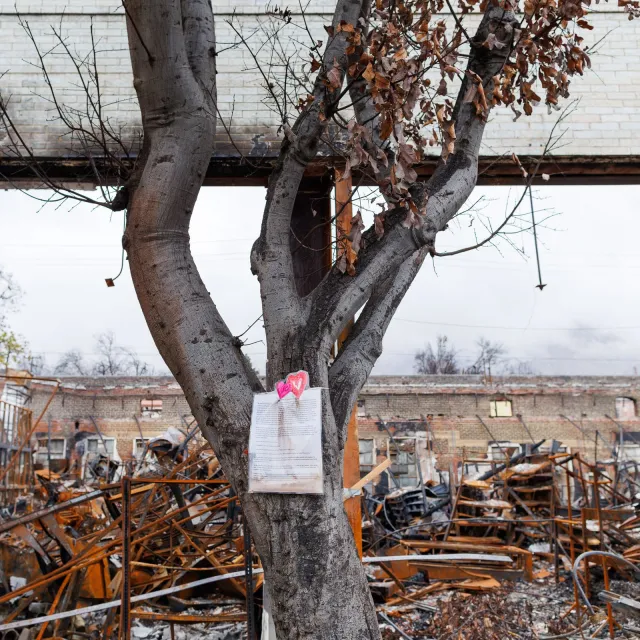
3. SUPPORT SURVIVING TREES
Not every tree is lost in a disaster. Some survive but need care and watering to make it through the months and years that follow. A storm-damaged tree, for example, can appear healthy while hiding root or structural damage. Trees that survive wildfire or other disasters may also face additional stress from drought, changing conditions, or damage that is not immediately apparent.
Assessing those trees and providing the care they need can help preserve the living landscape that remains. For corporate partners, that can mean funding watering, pruning, and other care that gives surviving trees a better chance to recover.
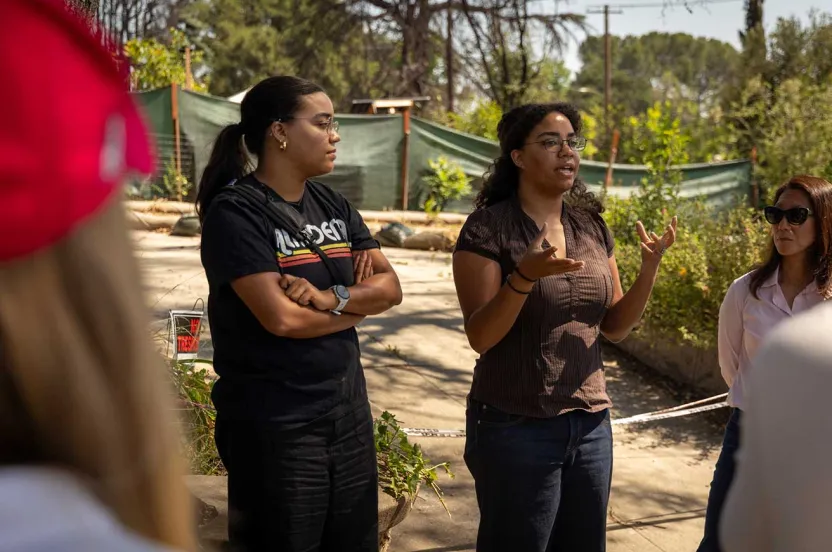
After the Los Angeles-area fires, for example, partners helped cover the cost of watering surviving trees through drought conditions. In disaster recovery, saving an existing tree can be just as important as planting a new one.
4. PREPARE TO REPLANT
Eventually, recovery turns toward what comes next.
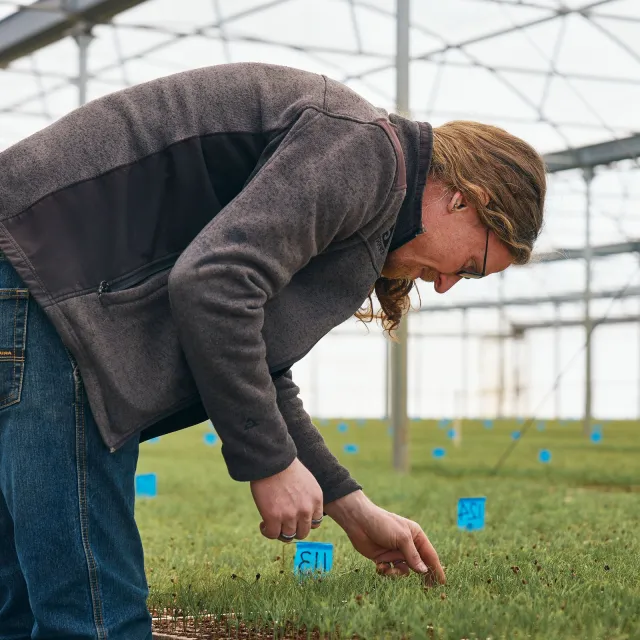
But planting does not begin simply because the ground is available. Fire-affected soil, for example, can need 12 months or more to recover before planting is appropriate. In the meantime, there is important work happening behind the scenes: collecting seed, growing seedlings, preparing sites, and determining which species are best suited to the landscape.
A seedling is not something that can simply be picked up “off the shelf.” Restoration depends on having the right trees available for the right place, and that preparation takes time.
Corporate support during this stage can help fund the work that happens before a tree ever reaches the ground. That kind of investment is especially important because preparation can begin long before a community is ready to plant.
5. FIRST TREES IN THE GROUND
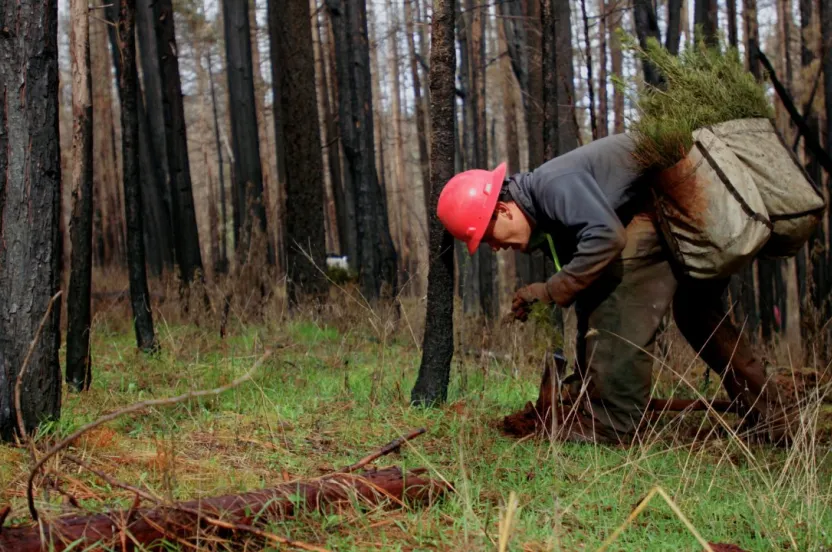
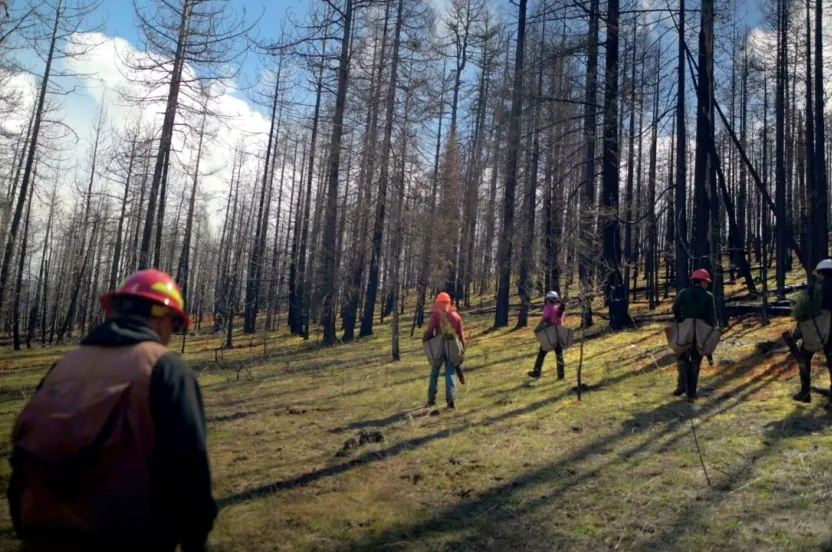
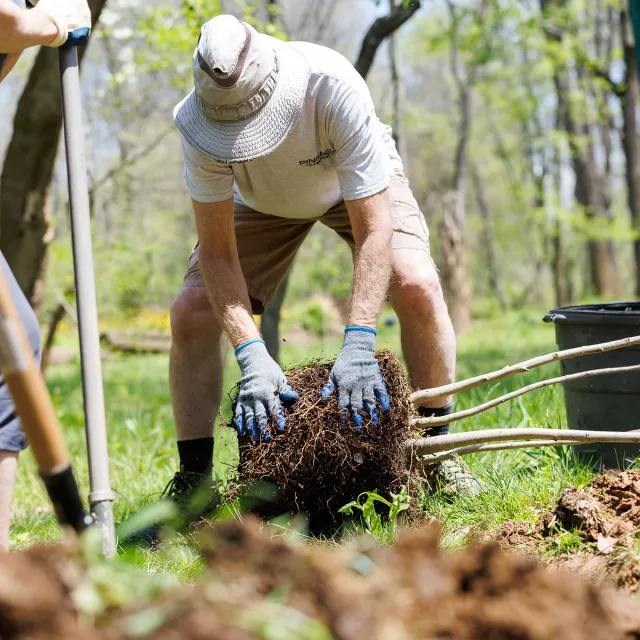
Eventually, the work becomes visible. Trees are planted in forests. Communities receive trees to replace those lost in a disaster. Residents come together to plant and care for the landscape around them. Employee volunteers may have an opportunity to participate directly in that work.
This is often the part of disaster recovery people most readily associate with the Arbor Day Foundation — and for good reason. Tree planting and distribution have long been part of the Foundation’s work.
Following the Camp and Carr wildfires, more than 3 million trees were planted as part of forest recovery efforts. Following Hurricanes Helene and Milton, the Foundation committed to a 10 million tree recovery effort, including tree distributions in Asheville within the first six months after the storms. In Lahaina, tree distributions have helped residents begin replacing fruit and food-producing trees lost in the wildfire.
These moments can carry meaning beyond the number of trees planted. For people returning to a damaged community, receiving a tree can represent something tangible: a way to begin putting down roots again.
Corporate partners can support tree planting and distributions directly, while also creating opportunities for employees to participate in the recovery process.
6. IN IT FOR THE LONG HAUL
Planting the first trees is not the end of recovery.
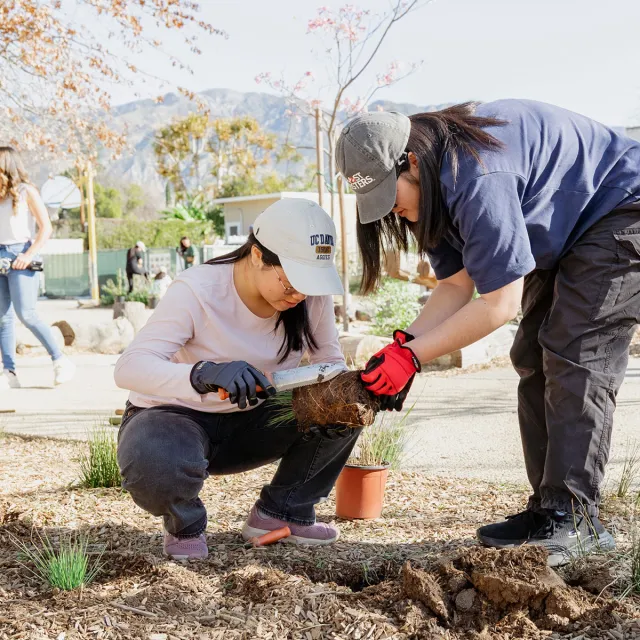
In many communities, restoration continues for years. The Arbor Day Foundation stays engaged until the work is complete, whether that means continuing to plant, supporting communities as their needs evolve, or tracking progress over time.
That long-term perspective is particularly important for corporate partners making multi-year commitments.
Dedicated relationship managers help partners understand where their support is going, while the Foundation’s Impact Dashboard provides reporting on progress and impact.
The work can continue long after the disaster has left the headlines.
In New Orleans’ Lower Ninth Ward, for example, the Foundation is still planting trees 20 years after Hurricane Katrina. Communities affected by Hurricane Harvey have continued to receive trees years after the storm. The Foundation has also worked for years alongside the New Jersey Forest Service following Hurricane Sandy and has supported restoration efforts in Yellowstone since 1988.
Recovery does not follow a news cycle. It follows the needs of the landscape and the people who call it home.
THE RETURN ON RECOVERY
For companies, investing in disaster recovery is about more than responding to a moment of need. It is an investment in the future of communities, forests, and the landscapes that support them.
Trees can help manage risk, strengthen communities, and restore the ecological functions that make landscapes healthier and more resilient. And research shows that investments in adaptation and restoration can generate significant economic benefits.
Notably, the United Nations Environment Programme and U.S. Environmental Protection Agency have cited economic returns of $3 to $30 for every $1 invested in ecosystem restoration. Research has also found that $1.5 billion invested in wildfire recovery and tree planting could save $3.5 billion in fire suppression costs over 10 years.
These figures are not a promise of financial return from any individual Foundation project. They demonstrate the broader value of investing in landscapes before the next disaster, and in helping communities recover after one occurs.
For corporate leaders, the opportunity is to think beyond the immediate response. Support can begin in the first weeks after a disaster, help care for the trees that survive, fund the preparation required for future planting, bring the first new trees to the ground, and continue for years as a community rebuilds.
There is no single way to support recovery, and there is no single timeline. But at every stage, the right investment can help communities move forward — and help ensure that when the time comes to plant again, the right trees are ready for the right place.
Help people and places recover
Give today to support restorative tree planting in the months, years, and decades following natural disasters.
Let’s get to work
Your brand can meet this moment with trees and action
Seventy-one percent of U.S. adults are more loyal to companies that take an active role in protecting the environment. Talk with us to get planting.