The AP’s Peter Prengaman talks news and hope in Unearthing Optimism. LISTEN NOW

El Niño: What It Means for Trees and Forests
What is El Niño? Get answers to 9 questions about El Niño, trees, and extreme weather.
September 29, 2026
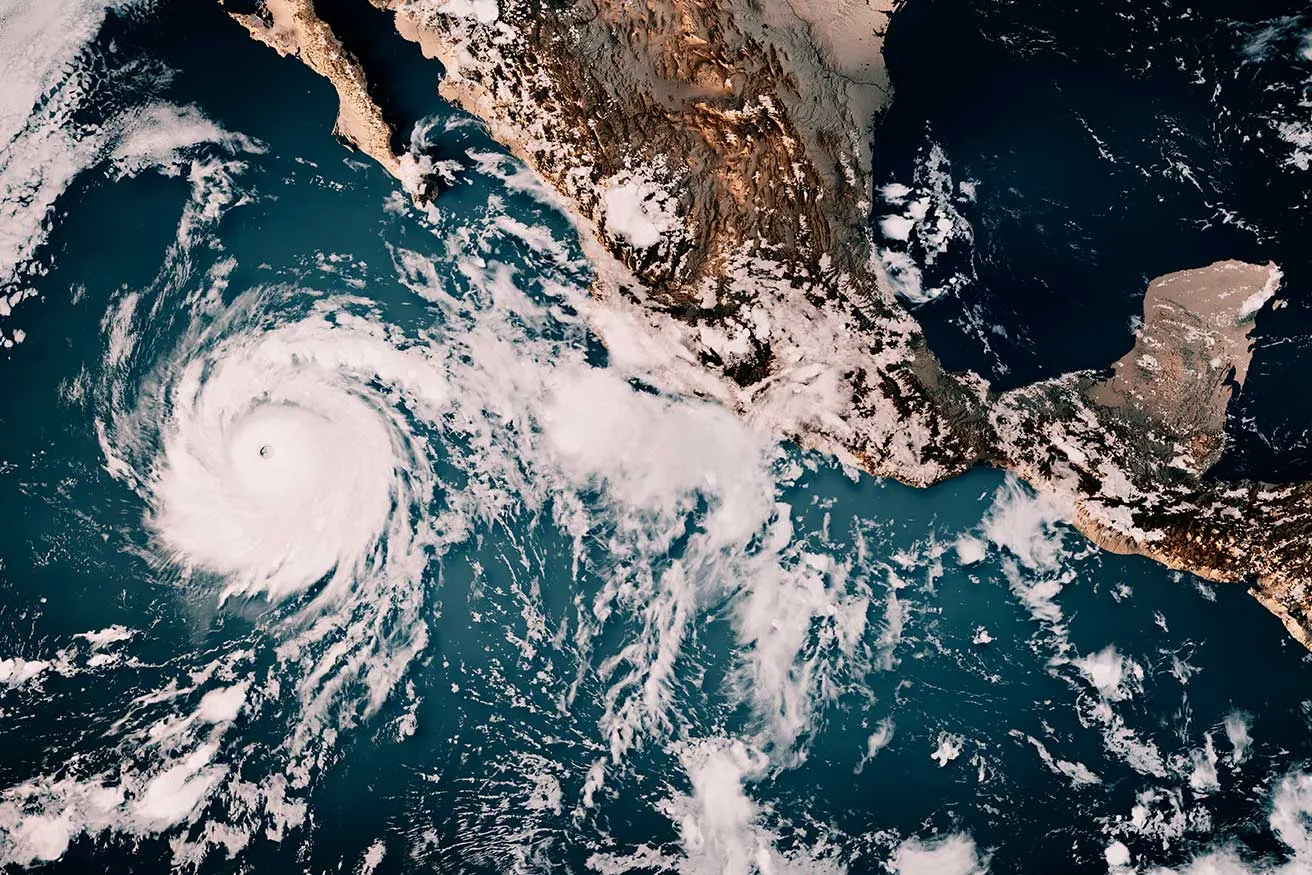
From warmer ocean waters in the Pacific to shifts in weather patterns around the world, El Niño can have effects thousands of miles from where it begins. But what does this naturally occurring climate pattern mean for trees and forests — and what can we do to prepare?

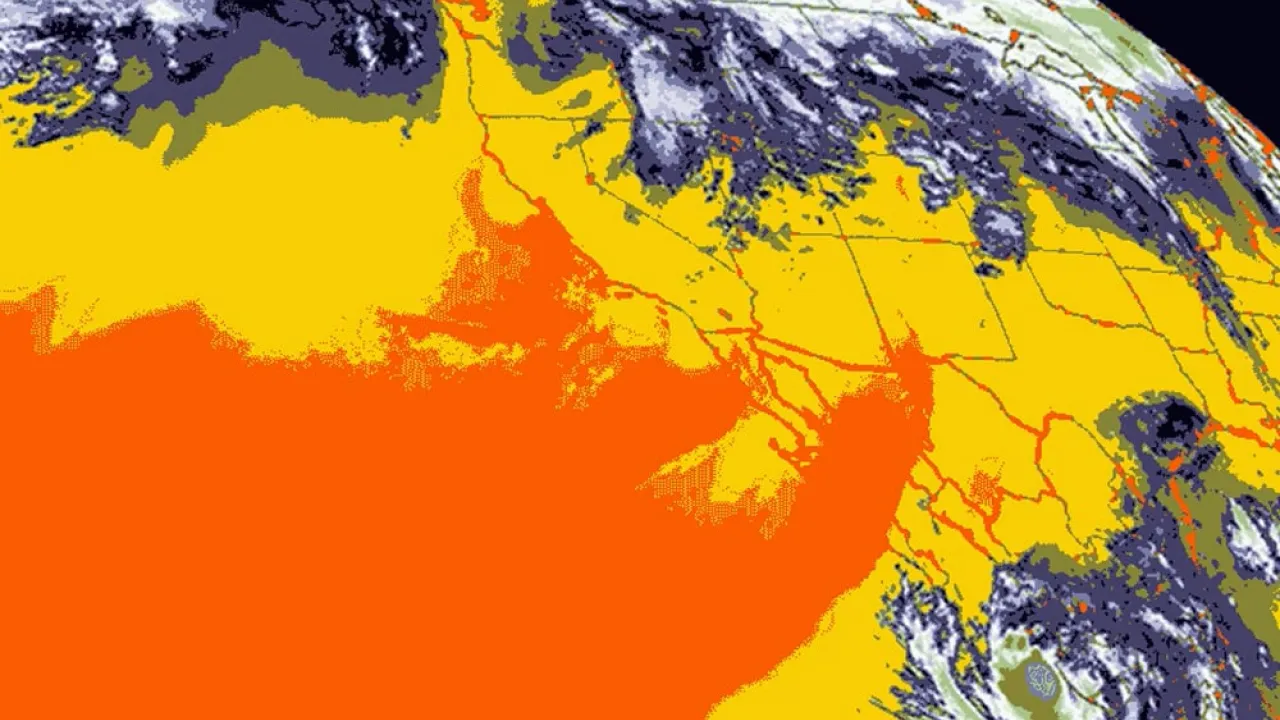
Q: What is El Niño?
A: El Niño is a naturally occurring climate pattern that begins with warmer-than-average sea surface temperatures in the central and eastern tropical Pacific Ocean. Those warmer waters influence the atmosphere, shifting jet streams, and weather patterns around the world.
El Niño is part of a larger climate pattern called El Niño-Southern Oscillation, or ENSO.
El Niño is the warm phase of this cycle, while La Niña is the cool phase. El Niño typically occurs every two to seven years and can last for several months. Each event is different, and its effects vary depending on where you live and what other weather conditions are at play.
Source: NOAA GOES-18 Satellite Imagery — NOAA STAR
Q: How does El Niño affect weather in the U.S.?
A: El Niño can shift the jet stream, influencing where storms, precipitation, and warmer or cooler air move across the country.
During winter, El Niño typically brings wetter conditions across much of the southern United States, from California to the Carolinas. Parts of the northern United States tend to be warmer and drier. These are broad patterns, not predictions for every community. Every El Niño is different and local weather depends on many other factors.
Q: Can El Niño increase wildfire, drought, or flooding risks?
A: It can. El Niño can shift the odds of weather conditions that contribute to drought, wildfire, and flooding in different regions. Wetter conditions can increase flooding risk in parts of the southern United States, while warmer, drier conditions in some northern regions can contribute to drought and wildfire risk.
The key word is risk. El Niño can influence the conditions that make extreme weather more likely, but it doesn't determine what will happen in any one place. Local weather, soil moisture, vegetation, and other environmental factors all play a role.
Q: What is a “super El Niño”?
A: “Super El Niño” is an informal term used to describe an exceptionally strong El Niño event. Scientists more commonly describe these events using terms such as strong or very strong El Niño. Some of the strongest El Niño events in the modern historical record occurred in 1982–83, 1997–98 and 2015–16. NOAA has described the 2015–16 event as one of the strongest El Niño events on record.
Strong El Niño events can amplify some of the weather patterns associated with El Niño, but even an exceptionally strong event does not guarantee a particular outcome in any one location.
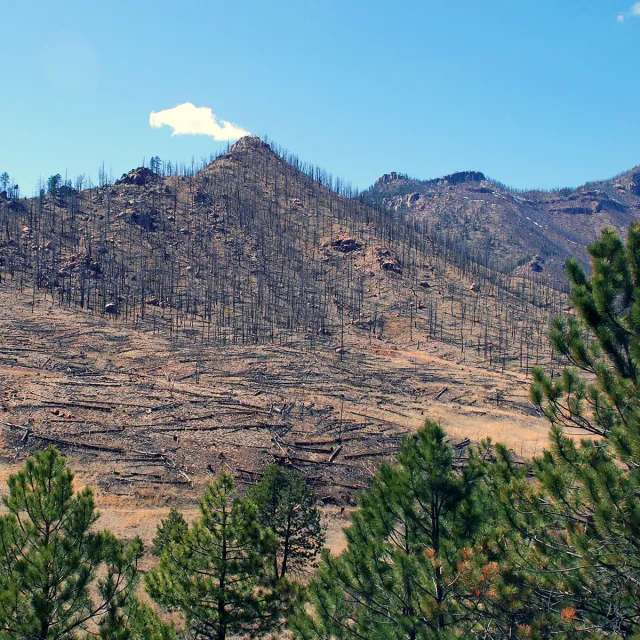
Q: How does El Niño affect trees and forests?
A: For trees and forests, the biggest effects of El Niño come from changes in temperature, rainfall, and snowfall.
In tropical forests, warmer and drier conditions can increase drought and wildfire risk. Reduced rainfall during the wet season can leave forests entering the dry season with less moisture, increasing stress and the potential for fire. During severe drought and fire, tropical forests can also temporarily shift from absorbing carbon dioxide to releasing more carbon.
In the Pacific Northwest, El Niño can bring warmer, drier winters, with more precipitation falling as rain rather than snow. Reduced snowpack can mean less water available during summer, potentially prolonging drought and increasing wildfire risk.
In contrast, the southern United States typically sees a wetter winter during El Niño. That moisture can benefit trees when it arrives gradually, while intense storms can create their own challenges. Across the central Plains, below-average winter moisture and warmer temperatures can add stress to trees and soils.
And the effects don't always end when the weather pattern does. Extended drought stress can increase tree mortality and pest outbreaks, while forest recovery can take years — especially in already-stressed ecosystems. Reforestation and thoughtful replanting can play an important role in helping forests recover.
Q: How does El Niño affect my trees?
A: It depends on the weather conditions El Niño brings to your area, but there are a few things to watch for:
- Warmer winters: Warmer temperatures can allow more pests to survive the winter, potentially increasing pest pressure the following season. Trees adapted to cold conditions also rely on seasonal temperature cues for important life-cycle processes, so unusually warm conditions can add stress.
- Less snow: Snow helps insulate tree roots, replenish water supplies in spring, and keep trees dormant longer. Less snow can leave roots more vulnerable to cold temperatures and reduce water availability later in the season. It can also contribute to earlier leaf-out.
- More rain instead of snow: Winter rain can turn to freezing rain when temperatures drop, coating branches in heavy ice and increasing the potential for breakage. Severe winds, icy branches, and saturated soils can compound the risk of tree and infrastructure damage.
Q: How can I prepare my trees for extreme weather?
A: You can't control the weather, but you can give your trees a stronger foundation for handling it. Here are a few tips:
- Keep trees watered. During warmer, drier winters, continue watering trees after their leaves have dropped as long as the ground isn't frozen. Pay particular attention to newly planted and young trees.
- Protect roots. When snowfall is expected to be limited, maintain a layer of mulch over the root zone to help insulate roots and retain moisture. If conditions are dry, water trees until the ground freezes.
- Check for structural weakness. Before winter storms arrive, have vulnerable or mature trees assessed by an ISA Certified Arborist®. Identifying structural weaknesses in advance can help reduce the potential for storm-related damage.
Q: How can trees and forests help communities prepare for extreme weather?
A: Healthy trees and forests can be part of a community's natural infrastructure. The right tree in the right place can help reduce energy use and provide protection from strong winds. Tree roots also help stabilize hillsides and soils, reducing erosion, and washouts during heavy rain.
In dry or fire-prone areas, homeowners and communities can also use Firewise practices to assess their properties and reduce wildfire risk. Preparing for extreme weather isn't about eliminating every risk. It's about understanding local conditions and using trees, forests, and other natural infrastructure as part of a broader approach to resilience.
Q: How can trees help communities recover from a natural disaster – and build resilience for what’s next?
A: Trees can play an important role in both disaster recovery and a community's future resilience. Once immediate threats to human life and property have been addressed, one of the first steps is assessing surviving trees for structural integrity. Not every damaged tree needs to be removed. A qualified professional can help determine which trees can be safely preserved and which may pose a hazard.
When the time is right, replanting species that are well suited to future conditions can help communities restore shade, habitat, and even a sense of renewal. After a disaster, cleaning up, caring for surviving trees, and planting new ones can give people a tangible way to come together and begin rebuilding. A tree planted today can become part of a community's recovery, and a source of resilience for years to come.
El Niño may be a natural part of our climate system, but its effects can create very real challenges for trees, forests, and communities. The good news is that caring for trees before extreme weather arrives helps strengthen the forests and neighborhoods that support us. With thoughtful planning and the right care, we can help trees stay healthy and resilient through whatever the next season brings.
Help people and places recover
Give today to support restorative tree planting in the months, years, and decades following natural disasters.