The AP’s Peter Prengaman talks news and hope in Unearthing Optimism. LISTEN NOW

Why Replant After a Wildfire? What’s at Stake
When forests don’t come back, we lose more than trees. Here’s what’s at stake for landscapes and communities.
October 15, 2026
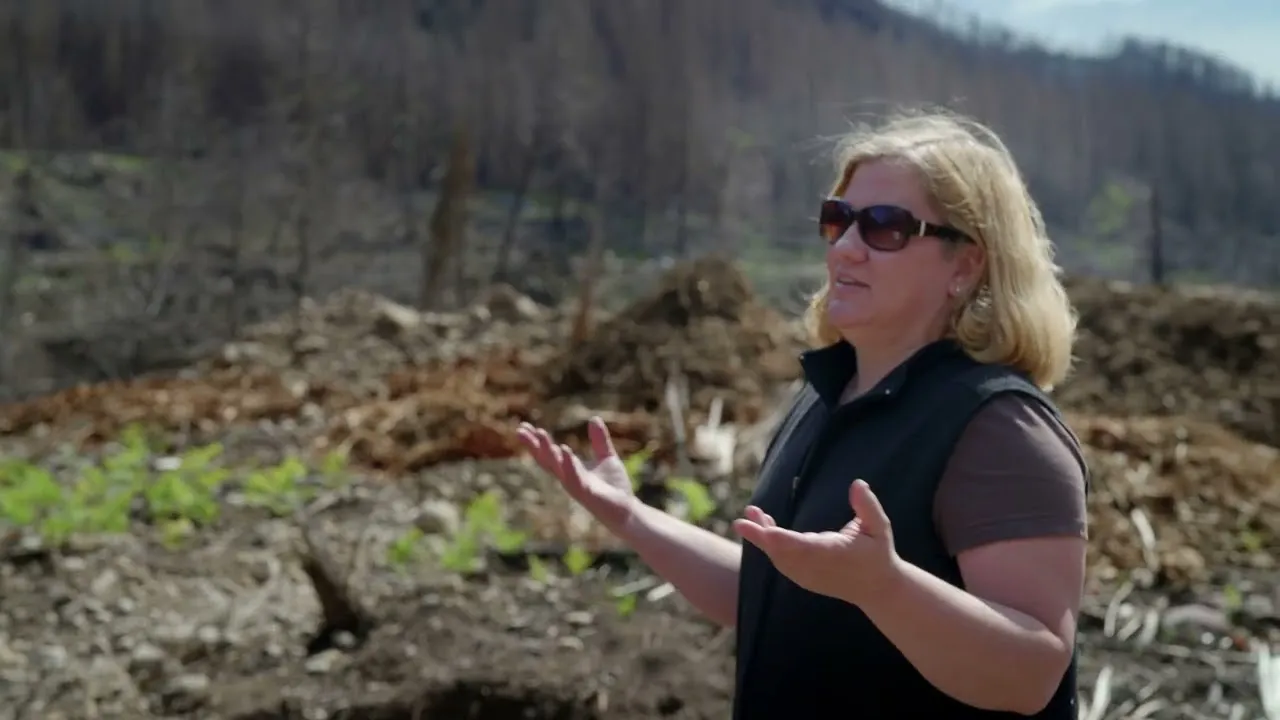
When a wildfire burns through a forest, an important question follows: Why replant if those trees could burn again? The answer lies in everything forests make possible — and what we stand to lose when they don’t return.
Wildfires have always been part of many forest ecosystems. But today's fires are changing.
Around the world, forest fires are burning more tree cover each year than they did just a generation ago. As heat, drought, and other climate-driven pressures intensify, many fires are becoming larger, more severe, and more difficult for forests to recover from.
And while a wildfire can reshape a landscape in a matter of days, recovery may take decades.
In some cases, but less often in today's climate, forests still regenerate naturally. In others, the hotter and longer burning fires burn so intensely that they destroy the seeds, roots, and living systems necessary for a forest to regenerate without human intervention. This "new normal" as some call it is pushing forested landscapes towards a conversion to grassland or shrubland ecosystems in the long-term.
SO, WHY REPLANT?
If you’ve ever wondered this, you’re not alone. But the answer starts with understanding what’s at stake.
Consider all that healthy forests make possible: clean water, wildlife habitat, healthy soils, cooler communities, carbon storage, and places for people to connect with nature. These benefits don’t simply disappear when a fire passes; without thoughtful restoration, their absence can shape a landscape for years to come.
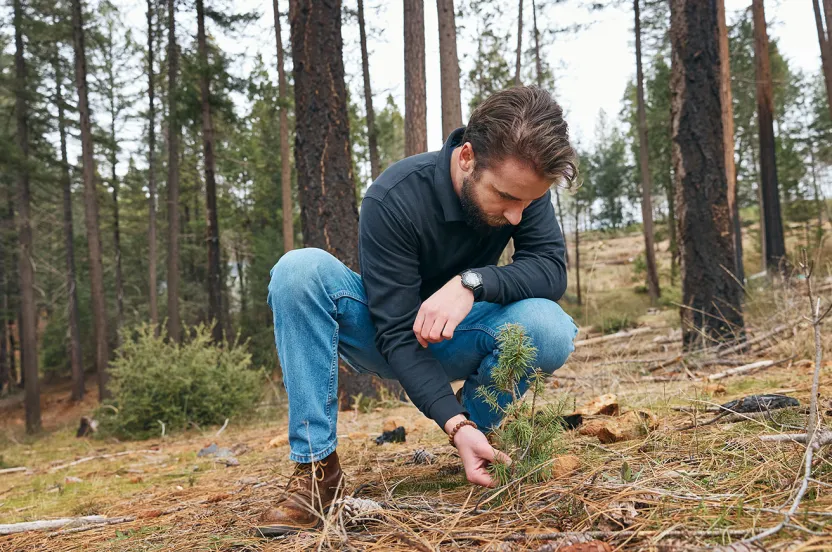
That’s why reforestation isn’t about recreating the past tree for tree. It’s about helping forests recover in ways that are suited to the landscape’s future. At the Arbor Day Foundation, we combine science, local expertise, and careful planning to determine where restoration is needed and which trees are most likely to thrive.
We rely on our network of on-the-ground experts to answer questions that shape our approach, like: What survived the fire? What changed? What does the soil need? Which species are best suited for the site? Where can trees provide the greatest ecological and community benefits?
The answers help determine where reforestation can make the greatest difference. From protecting water and stabilizing landscapes to supporting wildlife and communities, the stakes extend far beyond the trees themselves.
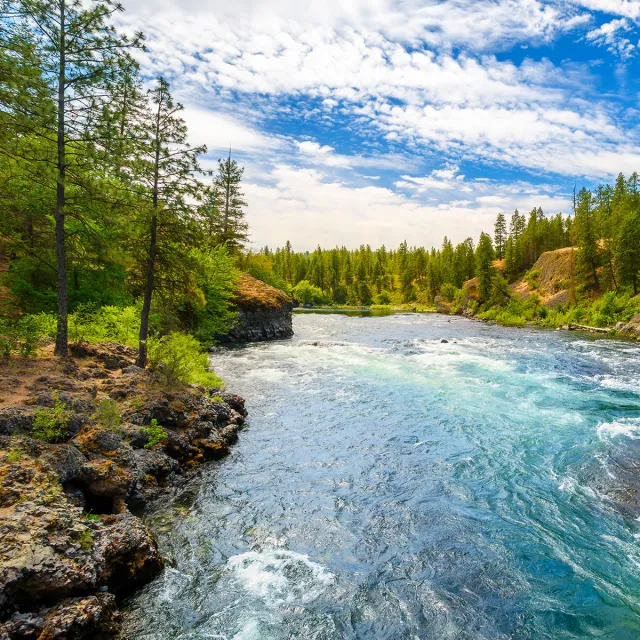
REPLANTING PROTECTS WATER
Healthy forests are natural infrastructure for watersheds. Across the United States, forests help supply drinking water for more than 150 million people.
Tree canopies soften the impact of rainfall. Roots help hold soil in place. Forest soils absorb, filter, and store water as it moves through the landscape.
After a severe wildfire, much of that protection can disappear. Without vegetation to slow and absorb rainfall, ash, sediment, and debris can wash into streams and reservoirs, affecting water quality and increasing the risk of flooding.
Replanting forests helps restore these natural protections — and the watersheds people rely on every day.
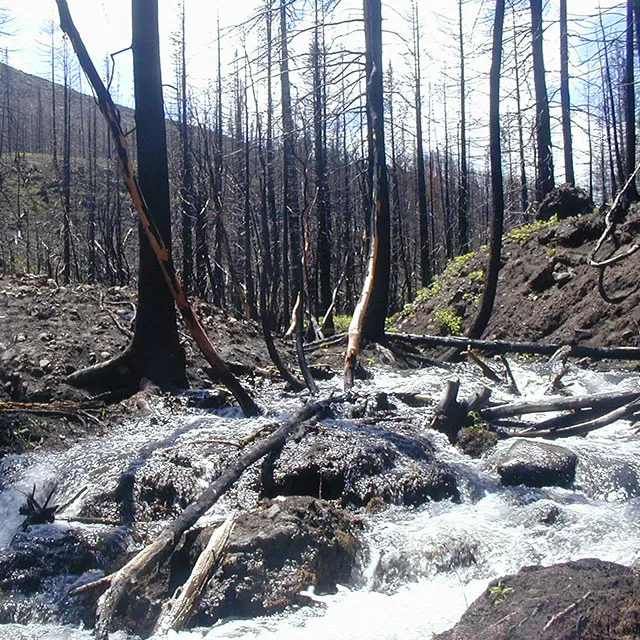
REPLANTING STABILIZES THE LANDSCAPE
The risks of wildfire don't end when the flames are gone.
Without living roots and vegetation holding soil in place, burned landscapes are more vulnerable to erosion. Heavy rain can move loosened soil and debris downhill, increasing the risk of flooding, debris flows and landslides.
For communities near or downstream from a burned forest, recovery can continue long after the fire is extinguished. Reestablishing vegetation helps stabilize soil, slow water, and rebuild the natural processes that make landscapes more resilient.
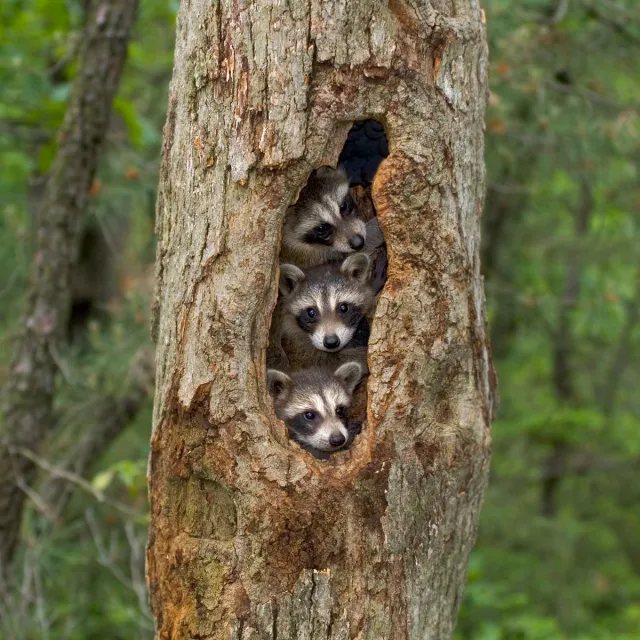
REPLANTING CONNECTS WILDLIFE HABITAT
Then there is everything that calls a forest home.
Birds need trees for nesting. Wildlife depends on forests for food and shelter. Pollinators depend on the plants that grow within them. Beneath the surface, forests support an intricate network of fungi, microorganisms, and roots that helps sustain healthy soil.
When severe fire removes that habitat, recovery isn’t simply about putting trees back on the landscape. It’s about rebuilding a living system. And that takes time.
A mature forest can take decades, and sometimes much longer, to develop the structure and complexity that wildlife and other species depend on. When a forest doesn’t return, neither do all of the relationships that make that ecosystem work.
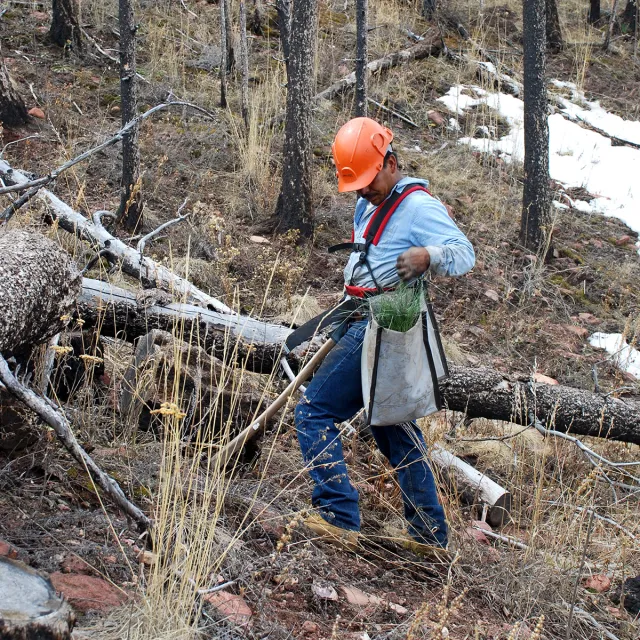
REPLANTING RESTORES PLACES THAT MATTER TO PEOPLE
Forests shape daily life in ways that are both practical and personal.
They provide shade and cleaner air. They create places to explore, gather, and connect with nature. They contribute to the character and beauty of communities. And for people who have lived alongside a forest for generations, trees can be deeply connected to local identity and a sense of home.
That’s why restoring a fire-damaged landscape can be part of community recovery, too.
Reforestation can’t undo the damage caused by a wildfire. But it can help communities create a path forward — investing in a healthier, more resilient future while rebuilding something meaningful for the next generation.
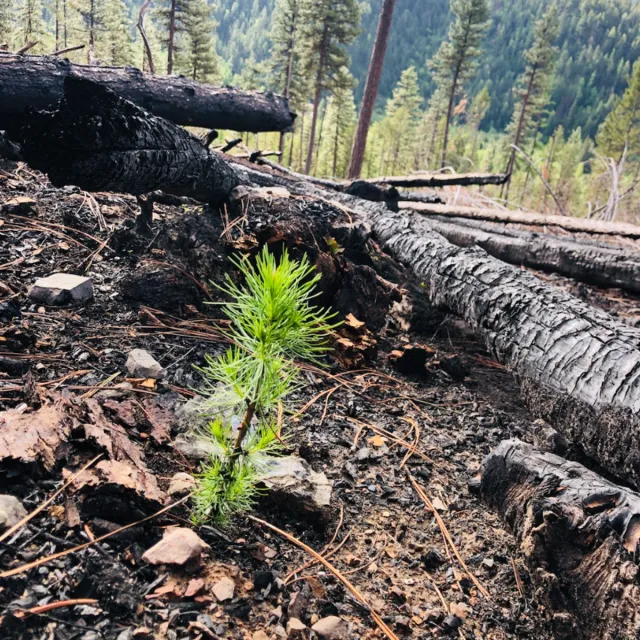
REPLANTING IS AN INVESTMENT IN RESILIENCE
Reforestation will not prevent every future wildfire, and planting trees alone cannot solve the challenges driving today's fire seasons. But as severe wildfires become more common, helping forests recover is more important than ever.
Restoration can be part of a broader strategy for helping forests recover and preparing landscapes for what comes next. That means choosing the right trees for the right places. It means considering how forests may change over time. And it means incorporating fire mitigation and forest management strategies into restoration planning, rather than treating reforestation as a stand-alone solution.
The goal isn’t simply to replace every tree that was lost. It’s to help restore the ecological functions, habitat, and connections that make forests valuable in the first place.
That takes long-term commitment, trusted partnerships, and patience. But every tree planted with intention is an investment in the future of a place and the people who depend on it.
That’s why we replant.
Help people and places recover
Give today to support restorative tree planting in the months, years, and decades following natural disasters.