New on Unearthing Optimism: Growing resilient communities starts with trees. LISTEN NOW

Do Trees Need Fertilizer? What to Know Before You Apply
Most trees don’t need fertilizer. Learn when it helps, when it harms, and what to do instead.
April 1, 2026

Before adding fertilizer, it helps to know what your soil (and your tree) actually need.
Many people assume fertilizing is part of routine tree care, like watering or pruning. But when it comes to trees, more fertilizer isn’t always better. In fact, most trees don’t need it at all.
The fertilizer myth
Research shows that most landscape trees, especially newly planted ones, do not need fertilizer applications. Healthy soils often contain the nutrients trees need to grow naturally. Adding fertilizer when it isn’t necessary doesn’t boost growth — and it can actually cause harm.
Too much fertilizer can burn or damage delicate roots, stressing the tree rather than helping it. Excess nutrients can also wash away in rain or irrigation, becoming runoff that pollutes nearby streams, lakes, and groundwater.
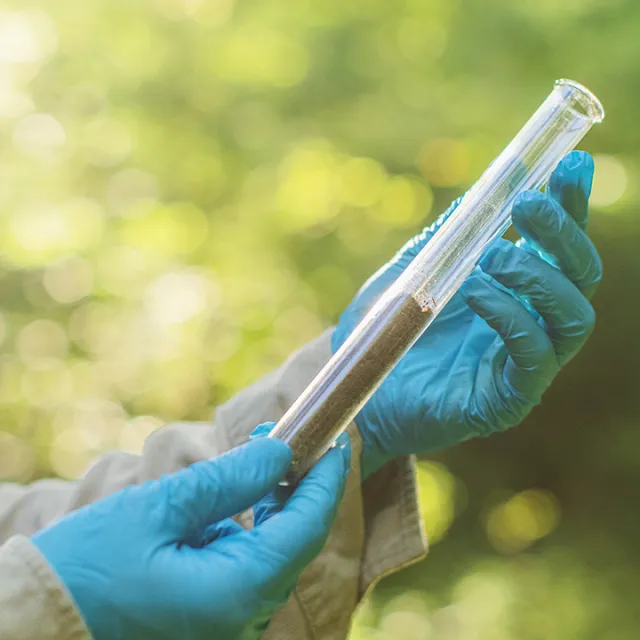
Test before you treat
If you’re concerned about your tree’s growth or soil health, the best first step isn’t reaching for fertilizer, it’s testing your soil.
A soil test reveals whether key nutrients are actually missing. Without that information, fertilizing is mostly guesswork. Your local extension office or soil lab can help analyze your soil and recommend the right course of action.
If a soil test shows that fertilizer is needed, follow the recommendations carefully. Apply only the type and amount suggested. More fertilizer will not speed up results and may create new problems for your tree.

A better way to feed the soil
In many cases, the best way to support tree health is by improving the soil naturally. Organic materials slowly release nutrients as they break down, helping build healthy soil over time. Consider these options:
-
Apply a 2–3-inch layer of organic mulch around the tree’s root zone
-
Leave or mulch fallen leaves so they decompose naturally
-
Recycle grass clippings and yard debris back into the landscape
-
Add compost to improve soil structure and nutrient availability
These practices mimic what happens in forests, where trees thrive without synthetic fertilizers.
Focus on the foundations
Healthy trees start with healthy soil, consistent watering, and proper mulching. Fertilizer should only enter the picture when a soil test shows it’s truly needed. When in doubt, remember: support the soil first, and your trees will often take care of the rest.