The AP’s Peter Prengaman talks news and hope in Unearthing Optimism. LISTEN NOW

How to Protect Newly Planted Trees from Pests
Learn how simple care practices can help protect newly planted trees from pests, disease, and damage.
October 13, 2026
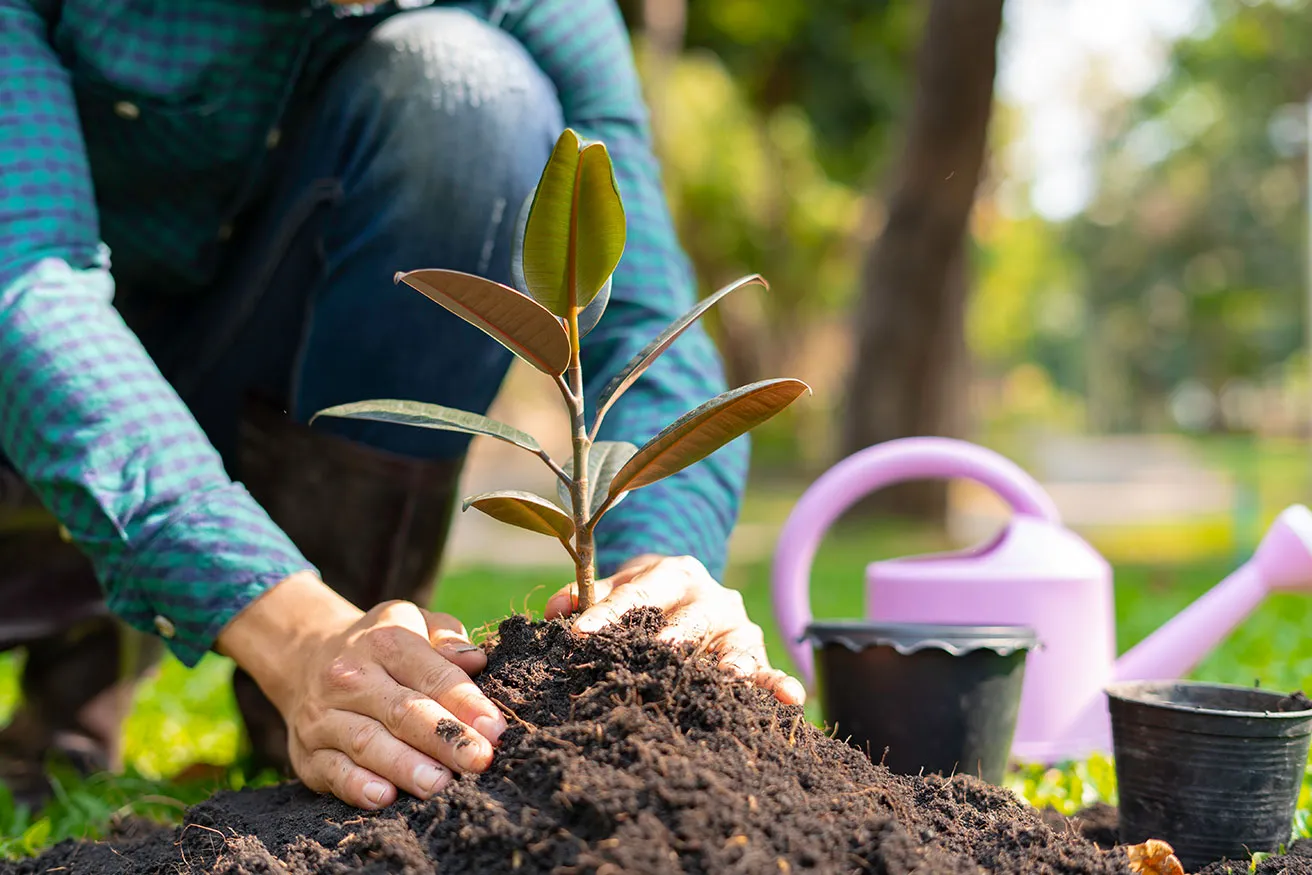
Insects, wildlife, lawn equipment, and disease can all pose challenges to newly planted trees, but many of these common threats are preventable. A few simple care practices can help protect your new tree from damage and set it up for decades of growth.
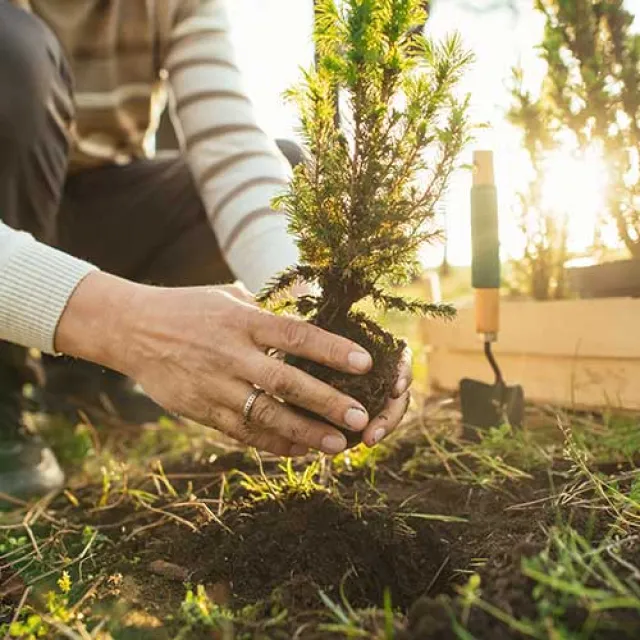
Planting a tree is an investment in the future. In the first few years after planting, young trees need a little extra attention as they establish their roots and adapt to their new surroundings.
Just like people, healthy trees are better equipped to handle stress, so providing the right growing conditions can go a long way toward preventing problems before they start. Trees that receive adequate water, proper mulch, and routine care are more resilient in the face of pests, disease, and other challenges.
Here’s what to keep in mind to make tree care your first line of defense:
WATER CONSISTENTLY
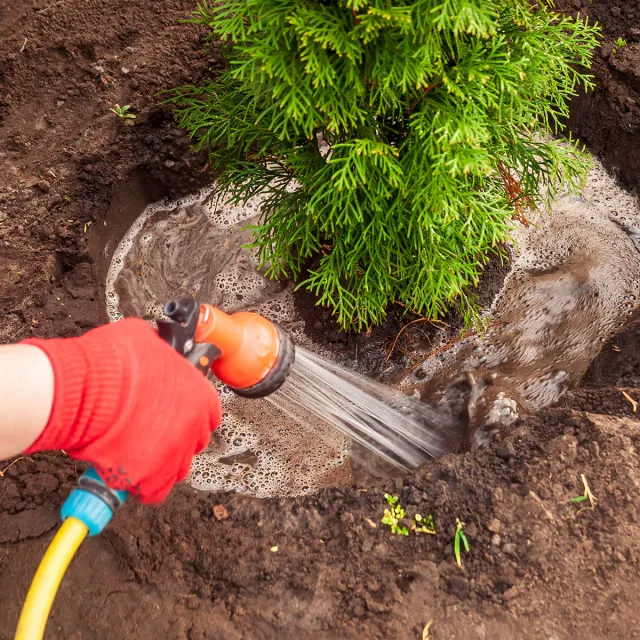
Young, newly planted trees are focused on establishing their root systems, so one of the most important things you can do is keep it properly watered. When a tree experiences drought stress, it becomes more vulnerable to insects, disease, and other environmental challenges.
Check soil moisture regularly, especially during hot or dry weather. Water deeply enough to reach the root zone and remember that newly planted trees often need supplemental watering for the first two to three years after planting. Not sure when to water? The soil should feel moist, not soggy, several inches below the surface.
MULCH THE RIGHT WAY
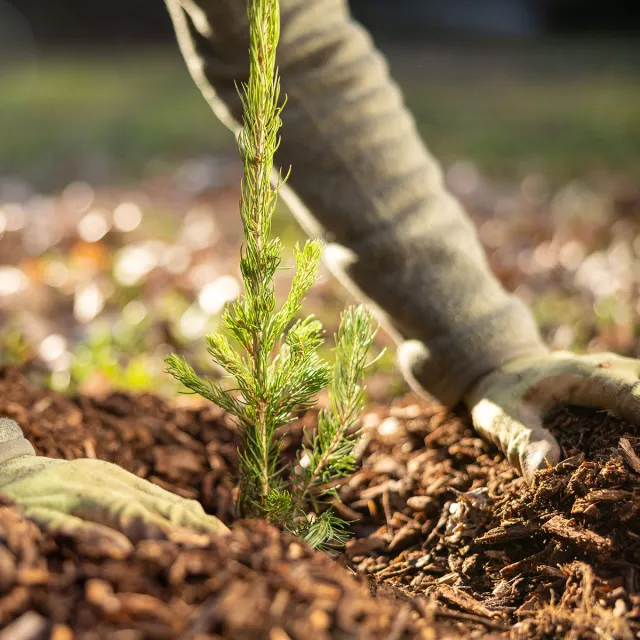
A layer of mulch helps conserve soil moisture, regulate temperature, and reduce competition from grass and weeds. Apply 2-4 inches of organic mulch around the base of the tree, extending it outward in a wide ring whenever possible.
One important note: Keep mulch several inches away from the trunk — think donut, NOT volcano. Piling mulch directly against the bark, often referred to as a "mulch volcano", can cause serious issues to long-term tree health. When done correctly, mulch is one of the easiest and most effective tools for keeping young trees healthy.
PROTECT THE TRUNK
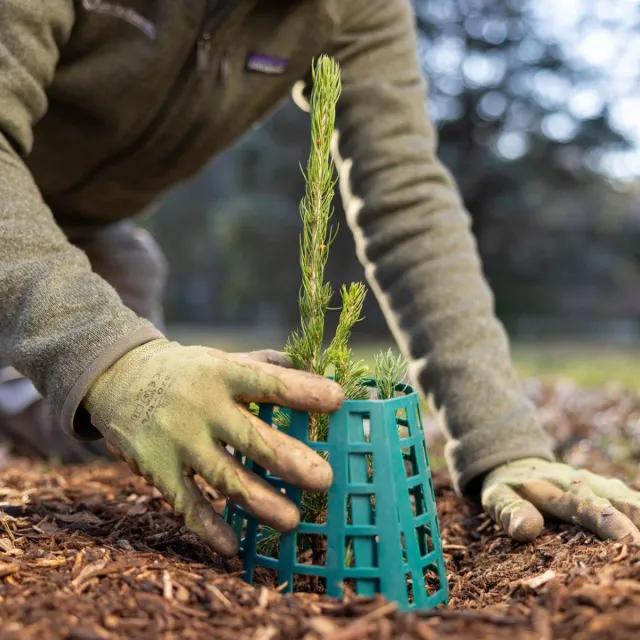
A tree's trunk is especially vulnerable during its early years. Wildlife such as rabbits, deer, and rodents may chew on bark, particularly during winter when food sources are limited. Damage to the bark can interfere with the tree's ability to move water and nutrients.
Installing a trunk guard or tree wrap can help prevent browsing and chewing damage. Be sure to choose a guard designed for trees and check it periodically to ensure it isn't constricting growth. In areas with high deer activity, fencing or tree shelters may provide additional protection.

KEEP MOWERS AND STRING TRIMMERS AWAY
Some of the most common injuries to young trees don't come from insects or wildlife. They come from lawn equipment. Repeated impacts from lawn mowers and string trimmers can wound bark, damage the cambium layer beneath, and create entry points for pests and disease.
A mulch ring helps create a buffer around the tree and reduces the need to mow or trim close to the trunk. When caring for your lawn, always take extra precaution around newly planted trees.
WATCH FOR SIGNS OF DISEASE
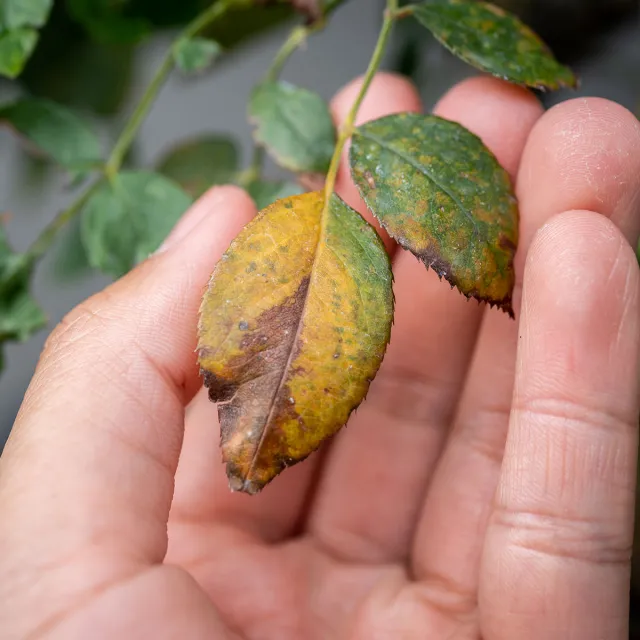
Early detection is key. As you water and care for your tree, take a few moments to inspect its leaves, branches, and trunk. Look for symptoms such as:
- Discolored or spotted leaves
- Premature leaf drop
- Wilting foliage
- Unusual growths or cankers
- Dead or dying branches
Many diseases can spread if infected plant material remains on the tree. When practical, prune affected twigs or branches and remove diseased leaves from around the base of the tree. Always use clean, sharp tools and follow proper pruning practices to avoid creating unnecessary wounds.
LEARN WHAT'S NORMAL FOR YOUR TREE
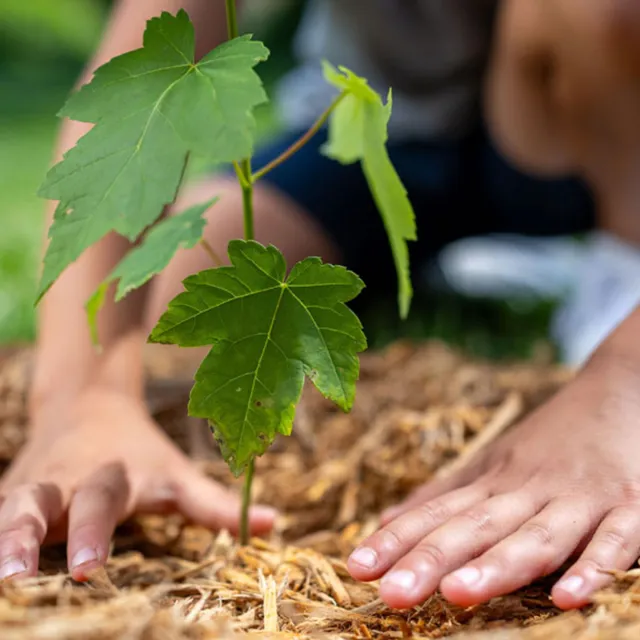
Not every hole in a leaf or browning branch signals a major problem. Different tree species naturally attract different insects, and some seasonal changes are part of a tree's normal growth cycle.
The more familiar you become with your tree's appearance throughout the year, the easier it will be to recognize when something changes. If you're concerned about insect damage, disease, or a declining tree, contact a local ISA Certified Arborist® for guidance.
SMALL STEPS, BIG IMPACT
Young trees don't need constant attention, but they do benefit from consistent care. By following these best practices and addressing any problems early, you can help your tree establish strong roots and remain healthy for years to come.