The AP’s Peter Prengaman talks news and hope in Unearthing Optimism. LISTEN NOW

Fast-Growing Small Shade Trees
Discover the best fast-growing small shade trees — from fruit-bearing apples and peaches to showy flowering varieties — that deliver quick shade, beauty, and color to smaller yards.
July 5, 2018
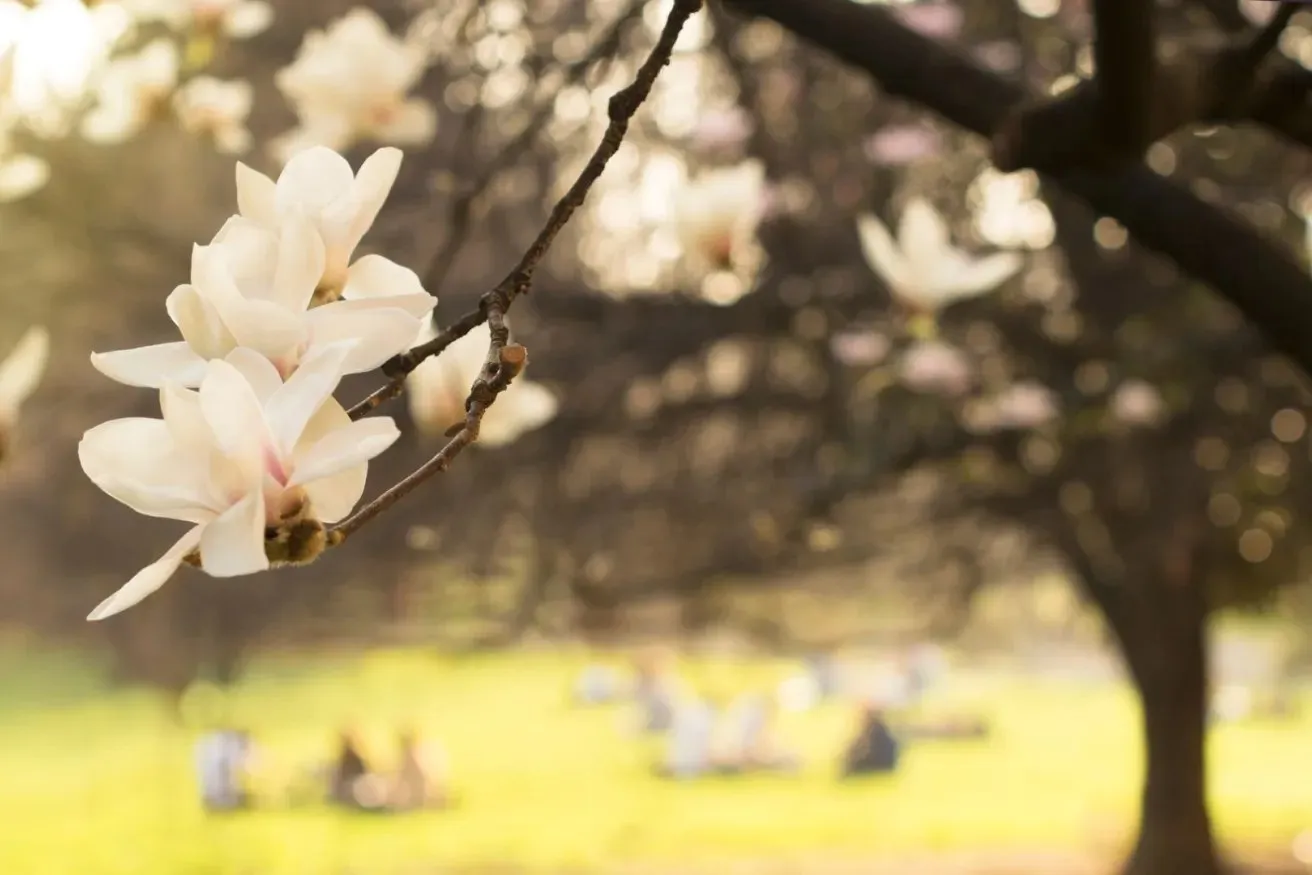
It can be hard to find the right tree for the right place when you have a small space to work with. But that shouldn’t stop you from planting trees.
There are plenty of small trees that are meant for small spaces. But before you plant, decide what purpose you want your tree to serve: are you planting for beauty? Shade? Privacy? Windbreak? Determining what you want your tree to do will help you narrow down your tree selection.
These fast-growing small shade trees and bushes are great for small spaces. Best of all, they’re nice to look at and will provide great shade.
Fruit Trees
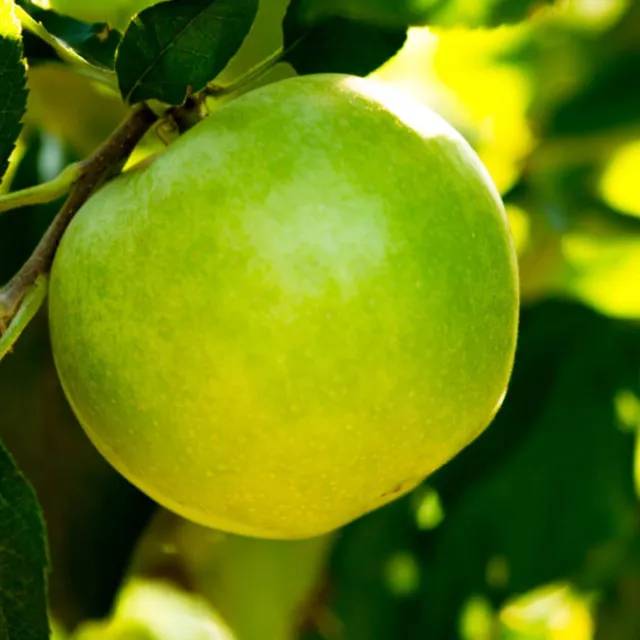
Malus domestica 'Early Harvest'
Early Harvest Apple
As its name suggests, this high-yielding apple tree is of the first to be ready for harvest. The golden apples are ready to be picked as early as July in some locations, with the latest harvest in September. The creamy white flesh is juicy and tart when ripe.
Zones 3-8
10-25 ft high
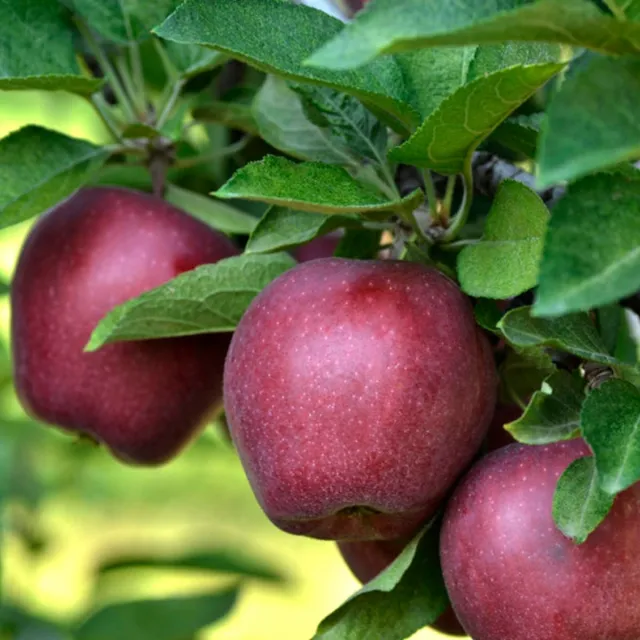
Malus domestica 'Red Delicious'
Red Delicious Apple
Of the more than 2,500 different cultivated varieties of apple trees in North America today, the most famous and widely planted is the red delicious. Perhaps because of its mild, sweet flavor. Possibly because of the long storage life. Or maybe because the name is so appealing.
Legend states that the red delicious apple was named when its discoverer in Iowa sent samples to a commercial nursery in 1892. The nursery owner tasted one of the apples and exclaimed, "Delicious!"
Zones 5-8
10-25 ft high
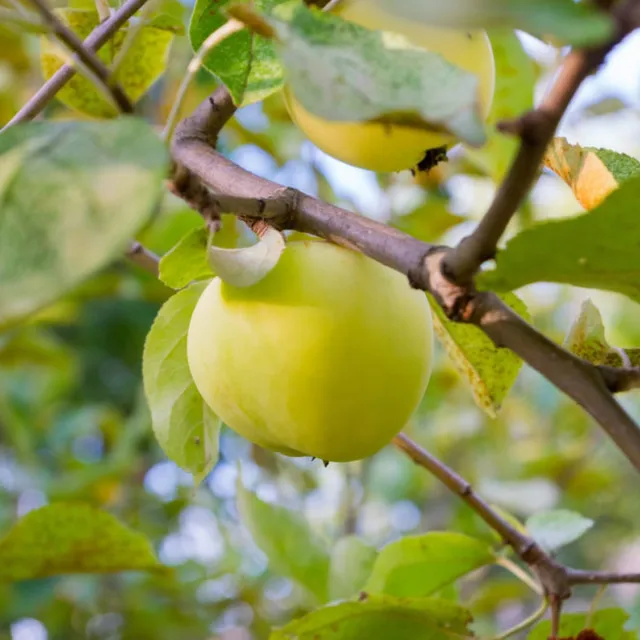
Malus domestica 'Yellow Delicious'
Yellow Delicious Apple
The large, golden fruit of the yellow delicious apple tree ripens late, developing a fine, sweet flavor. While they are best known as fresh eating apples, yellow delicious also work well for pies, applesauce and preserves. They also store well, keeping 3–6 months if refrigerated.
When planting these trees, be sure to include other apple varieties such as red delicious, red Jonathan or early harvest to ensure pollination.
Zones 5-8
10-25 ft high
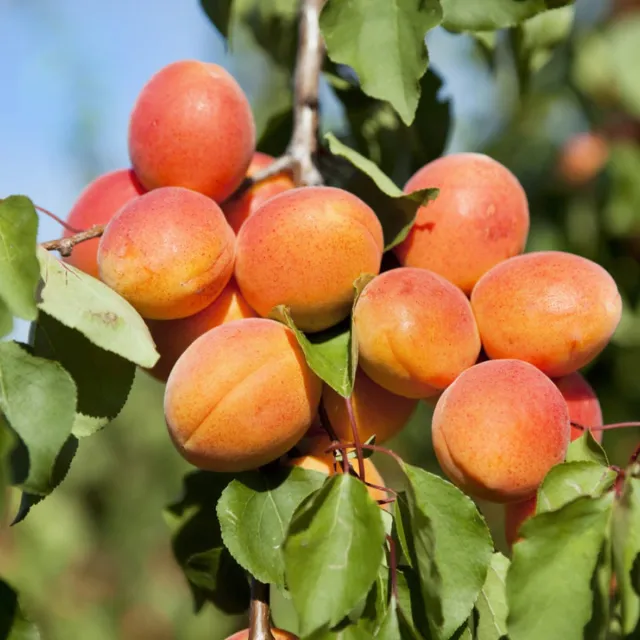
Prunus armeniaca
Early Golden Apricot
The early golden apricot grows large, flavorful, golden fruit. Harvest time varies from early July to early August, depending on location. The fruit is great for fresh eating, baking, canning or drying. This fast-growing fruit tree is self-fertile but planting two varieties is recommended for a better crop.
Beyond bearing fruit, the tree is also considered an attractive landscape specimen, given its attractive leaves and spring bloom of pink or white flowers.
Zones 5-8
15-20 ft high
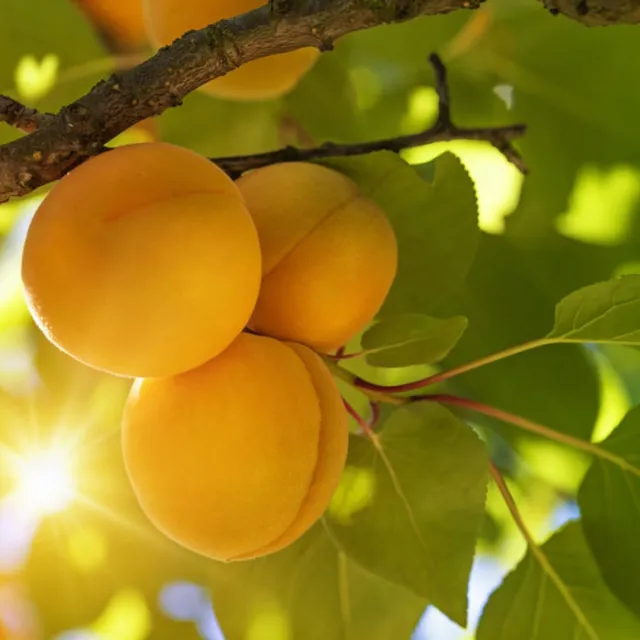
Prunus armeniaca
Moorpark Apricot
This fruit tree is known for its juicy, sweet-tasting apricots that are good for fresh eating, canning or drying. Harvest time spans from early July to early August, but the fruit does not ripen all at once. The fast-growing Moorpark apricot tree is self-fertile but planting two varieties is recommended for a better crop.
Beyond bearing fruit, the tree is also considered an attractive landscape tree, with its spring bloom of whitish-pink flowers.
Zones 4-8
15-20 ft high
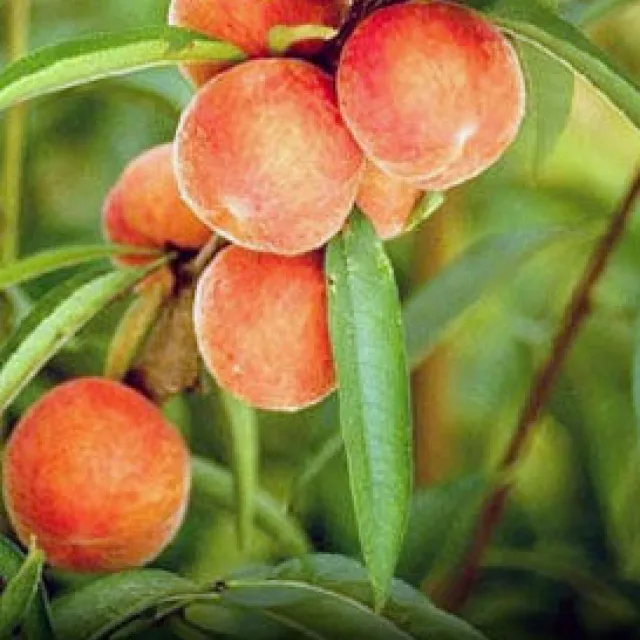
Prunus persica ‘Belle of Georgia’
Belle of Georgia Peach
The Belle of Georgia peach is an old-time favorite that produces brilliant red flowers each spring and large fruit in late August. The peaches are very firm and highly flavored, with creamy white freestone flesh tinged with red. While excellent for fresh eating, the fruit is widely used for desserts and canning.
Zones 5-8
8-25 ft high
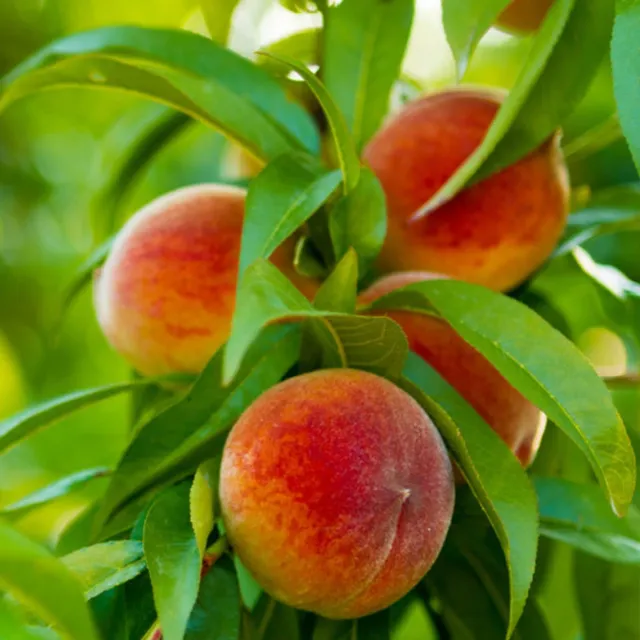
Prunus persica 'Elberta'
Elberta Peach
The Elberta peach holds its own as one of the most popular peach trees. Notorious for its sweet, succulent fruit with the tell-tale blush covering its skin when perfectly ripe, this tree is a commercial success in markets and roadside stands across much of the United States.
It is known to thrive in at least 28 states and is favored by growers due to its vigorous growth, steady production of fruit, self-fertile nature and compact size. The Elberta peach is also available in dwarf size for urban and suburban locations.
Zones 5-9
8-25 ft high
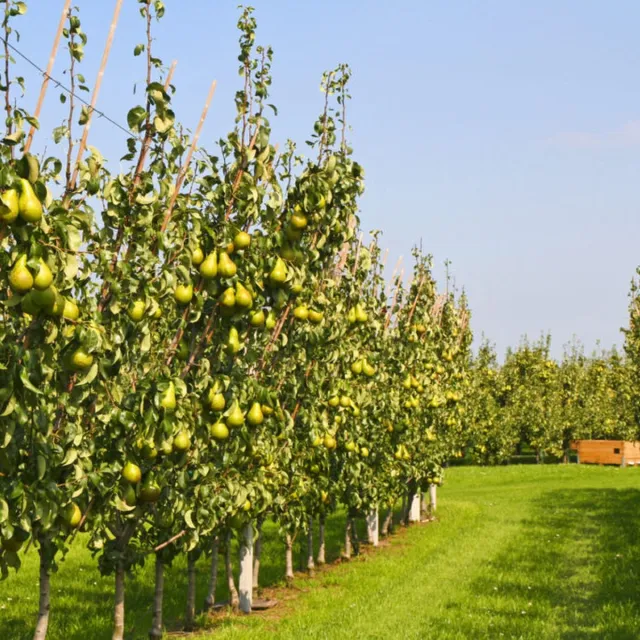
Pyrus communis 'Bartlett'
Bartlett Pear
Known as America’s favorite pear, the Bartlett variety actually came from Europe. It functions as the standard by which all other pears are measured and is a favorite for fresh eating, canning and preserves.
The Bartlett pear is easy to grow and will reward its owner with beautiful blossoms in the spring, large and luscious fruit in late summer and a continuous crop for as much as 100 years.
Zones 5-7
12-20 ft high
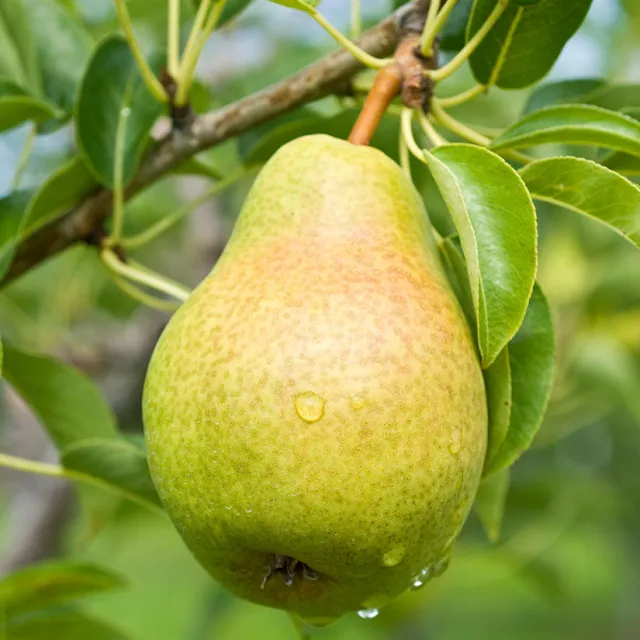
Pyrus communis ‘Orient’
Orient Pear
This hybrid European pear cultivar is known for its intense beauty and heavy annual crops. The yellow fruit has juicy, melting, creamy flesh with a mild flavor—excellent for canning, desserts, salads and fresh eating. The tree typically produces ripe fruit in mid-August or mid-September.
Zones 5-8
12-30 ft high
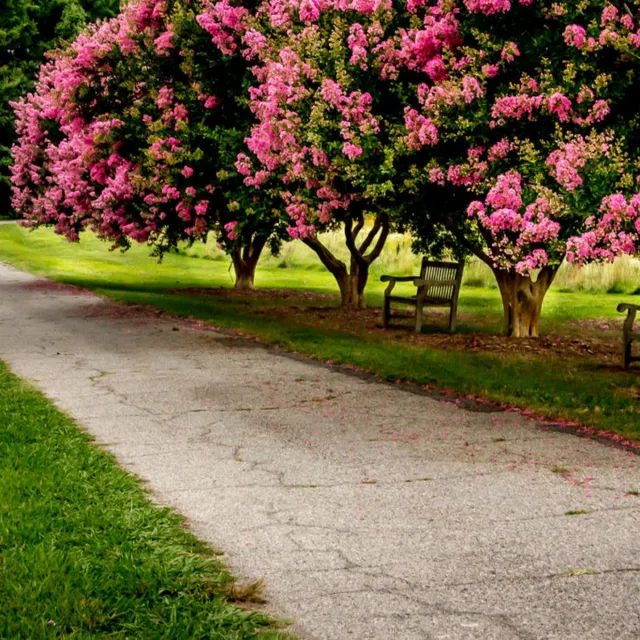
Lagerstroemia indica
Flowering Crapemyrtle
The crapemyrtle is often referred to as the "lilac of the South." With its striking flowers, handsome bark and attractive foliage, this species is a favorite for landscapes. It can be grown as either a shrub or small tree and is often used in groupings, containers, hedges and screens. You can even find the common crapemyrtle used as small street trees in urban settings.
Zones 7-10
15-25 ft high
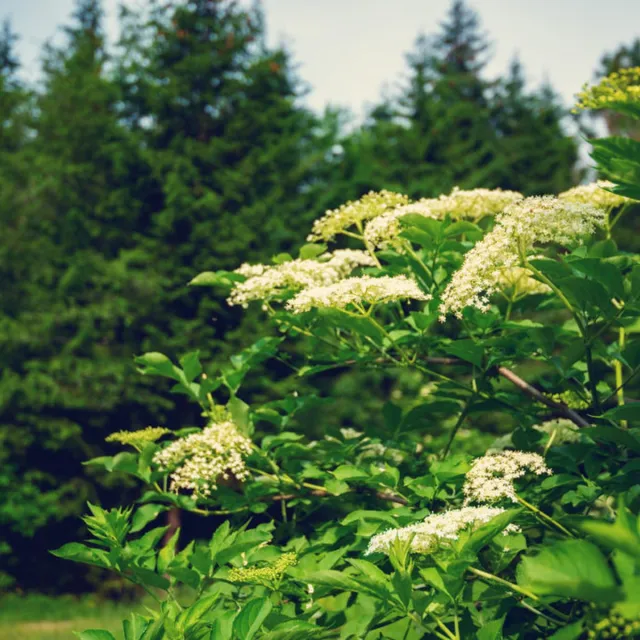
Sambucus canadensis
American Elder
This fast-growing shrub is known for its large clusters of yellowish-white, star-shaped flowers. Grown as a border, it provides an incredible summer floral display.
But its lovely flowers aren’t the American elder’s only claim to fame. The dark purple elderberries are used to make jellies, pies, juice and wine and to draw in a variety of different bird species. To ensure a good crop, plant more than one shrub.
Zones 4-9
5-12 ft high
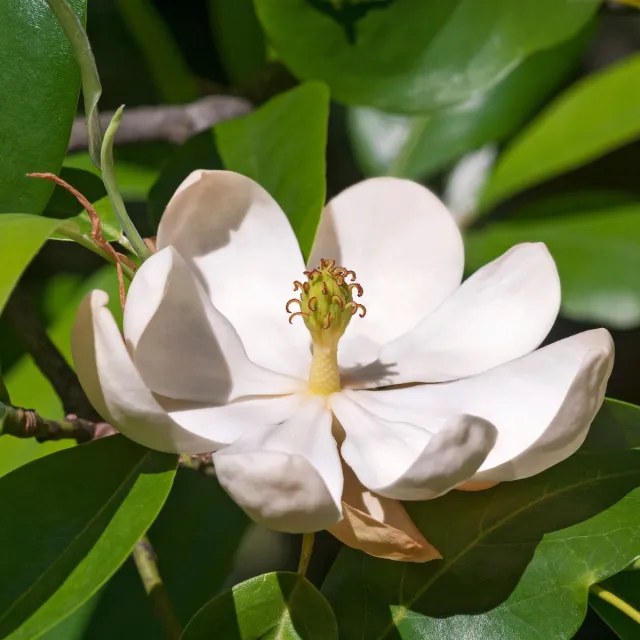
Magnolia virginiana
Sweetbay Magnolia
While it may not produce as many blooms as other magnolias, the sweetbay magnolia should not be counted out of your landscape plans. This tree flowers late in the spring, avoiding much of the frost that can spoil a blooming tree’s beauty. It also attracts a wide variety of songbirds with its fall fruit.
This elegantly shaped flowering tree is a great choice for a specimen or patio tree.
Zones 5-9
10-20 ft high

Magnolia stellata
Star Magnolia
With showy, fragrant flowers, dark green leaves and striking gray bark, this hardy magnolia is a real standout. It thrives in nearly every location in the U.S. and works well as a single specimen or foundation planting.
The star magnolia could be the landscape solution for backyard gardeners looking to add lovely spring interest to their spaces.
Zones 4-9
15-20 ft high

Prunus x cisterna
Purpleleaf sand cherry
This is a very hardy flowering landscape specimen with reddish-purple foliage that keeps its unique color all summer. Because of this, the purpleleaf sand cherry makes an excellent contrast tree. It can be planted close to paved surfaces and near utility lines and can also be used as a deciduous hedge.
While there will never be a large cherry crop, the fruit is commonly used for making jams, jellies and pie.
Zones 3-7
7-10 ft high
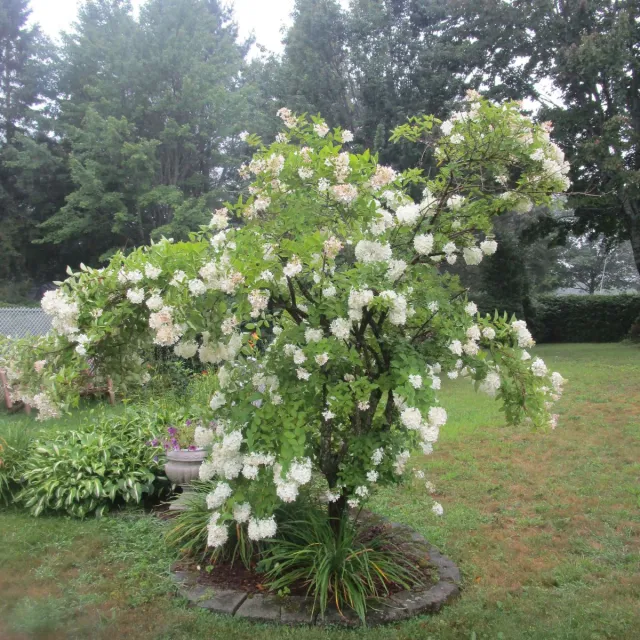
Hydrangea paniculata 'Grandiflora'
Pee Gee Hydrangea
This is the most common H. paniculata form. It can be grown either as a large shrub or small tree, and it is known for its large panicles of white flowers. In fact, with some good pruning, this shrub can produce flower clusters measuring up to 12-18" in length!
Zones 3-8
10-20 ft high

Hamamelis virginiana
Witchhazel
from October through December. The foliage, attractive in all growing seasons, also turns yellow to yellowish-orange in fall.
This is a great specimen to plant as an understory or for a shrub border in large areas.
Zones 3-8
15-30 ft high