New on Unearthing Optimism: Growing resilient communities starts with trees. LISTEN NOW

Top 10 Fruit Trees to Add to Your Yard in 2023
Thinking about planting fruit at home? This list rounds up 10 favorite fruit trees and shrubs that offer fresh harvests, seasonal beauty, and plenty of backyard appeal.
April 11, 2023
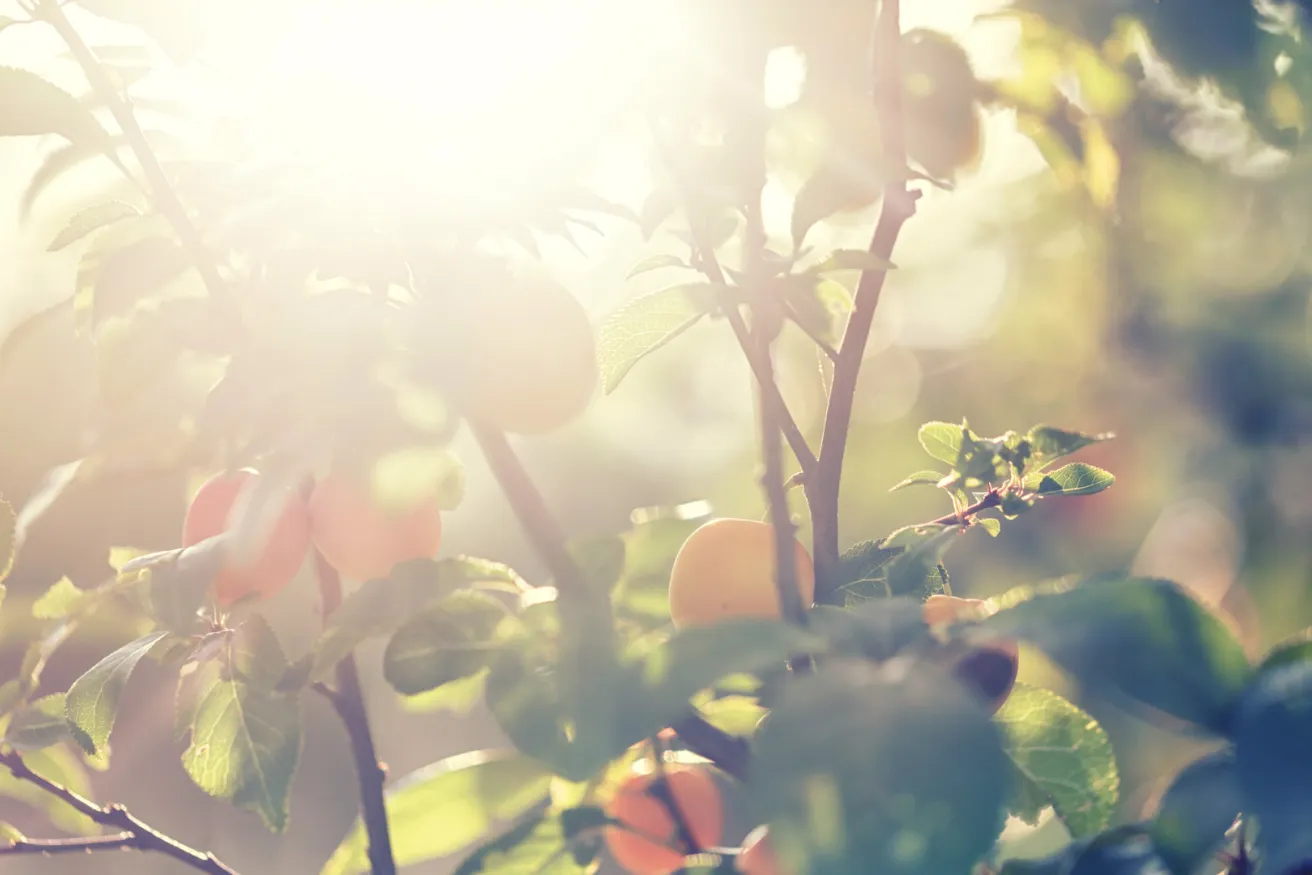
Of all the trees you can plant in your yard, fruit trees are some of the most rewarding. Not only do they save you money and trips to the grocery store — but home-grown produce also tends to be more flavorful!
If you’re ready to try your hand at a backyard orchard, check out these 10 favorite fruit trees available in the Arbor Day Foundation tree nursery.
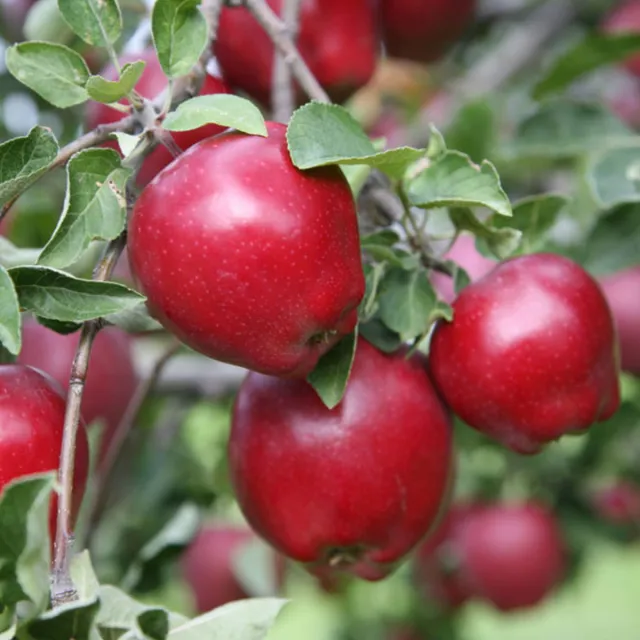
Red Delicious Apple
Hardiness Zones 5–8
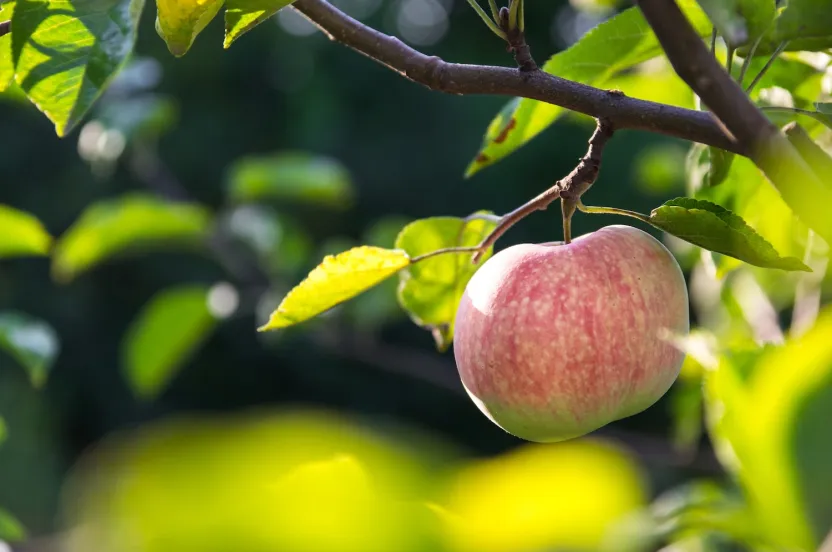
Of the more than 2,500 apple trees in North America today, the most famous and widely planted is the red delicious. Perhaps because of its mild, sweet flavor. Possibly because of its long storage life. Or maybe because its name is so appealing.
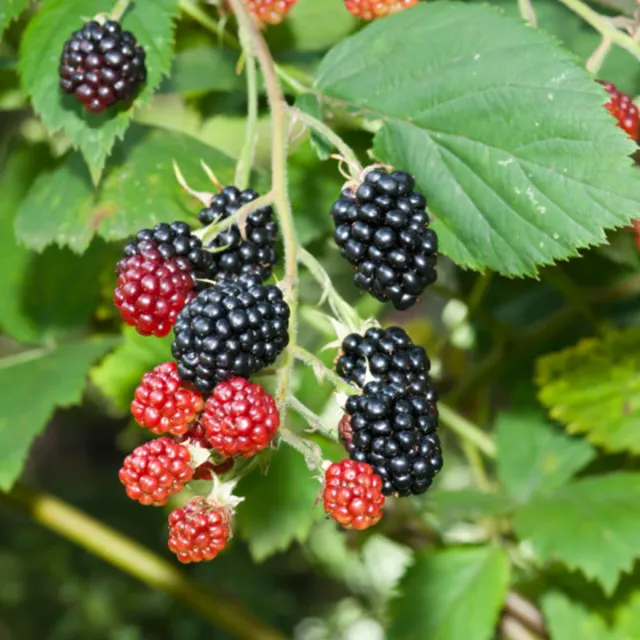
Arapaho Blackberry
Hardiness Zones 4–9
The Arapaho blackberry is an early-ripening, thornless shrub that produces large red and black fruit. The berries are firm and tasty with small seeds — good for making jams and syrups. And there’s no need for a trellis, as this plant is self-supporting.
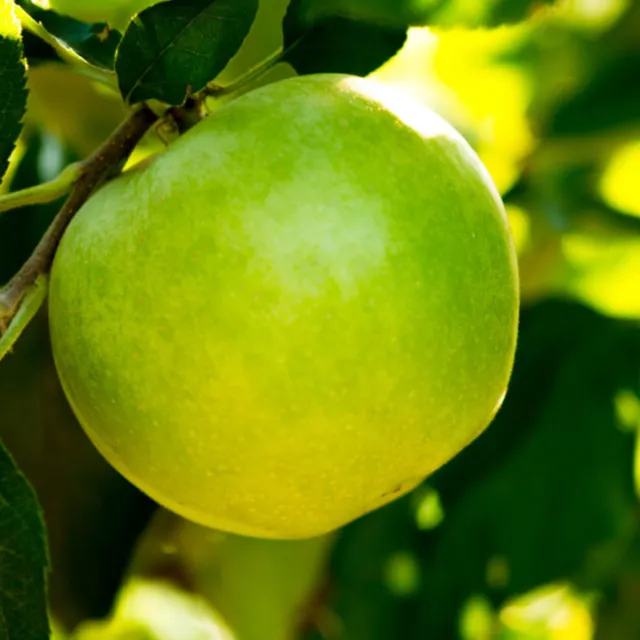
Early Harvest Apple
Hardiness Zones 3–8
This apple tree is of the first to be ready for harvest. Its medium-sized, tart fruit can be picked as early as July in some locations, with the latest harvest in September.
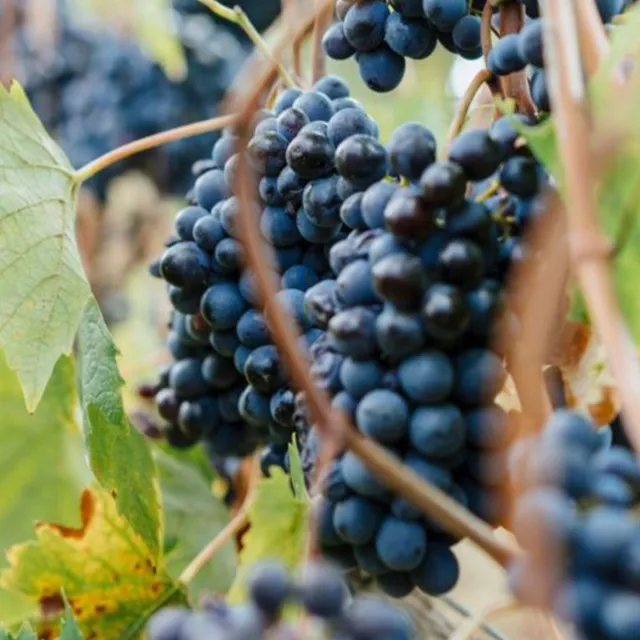
Concord Grape
Hardiness Zones 5–9
Concord is the traditional grape used to make grape jelly and juice. It produces bunches of large, blue-black, seeded grapes with a distinctive flavor. Though it is self-fertile, planting more than one vine is recommended for the best crop.
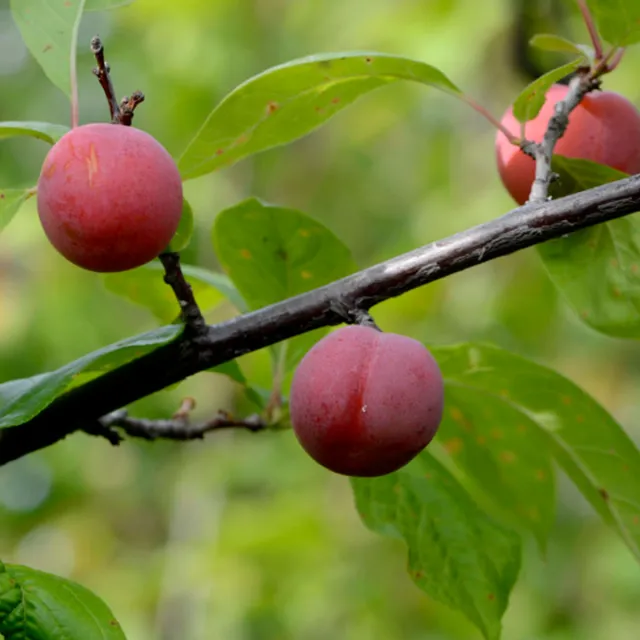
Methley Plum
Hardiness Zones 5–9
Methley plums are juicy, sweet, and have a red-purple flesh. The plant ripens from late May to early July, depending on location — and produces clusters of fragrant white flowers in spring.
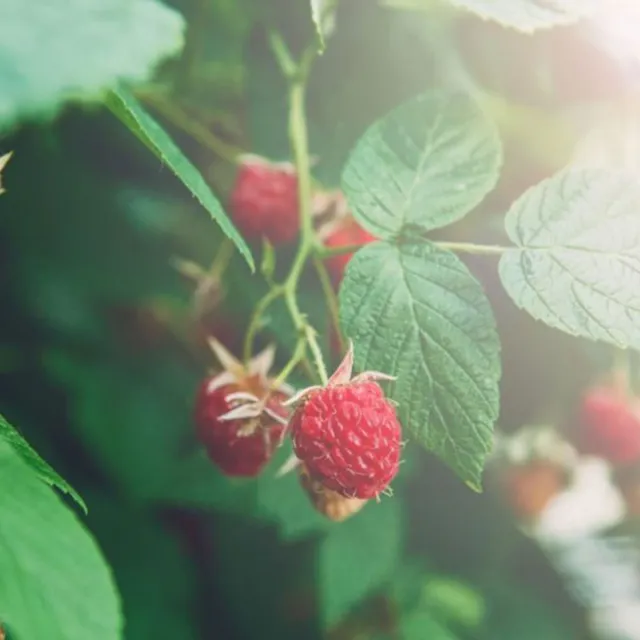
September Everbearing Raspberry
Hardiness Zones 3–7
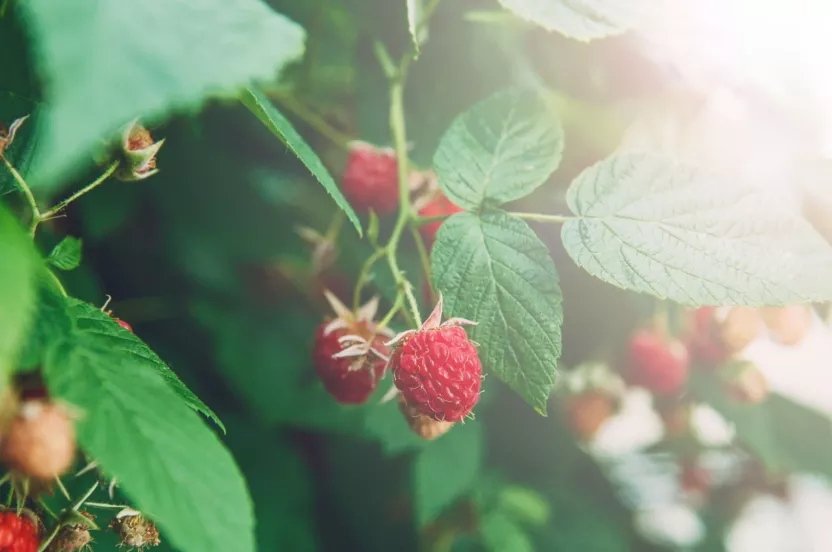
The September everbearing raspberry yields fruit twice per year —one light crop in June, followed by a heavy crop in September. The medium-size, tart raspberries are excellent for freezing, preserves, pies, and fresh eating.
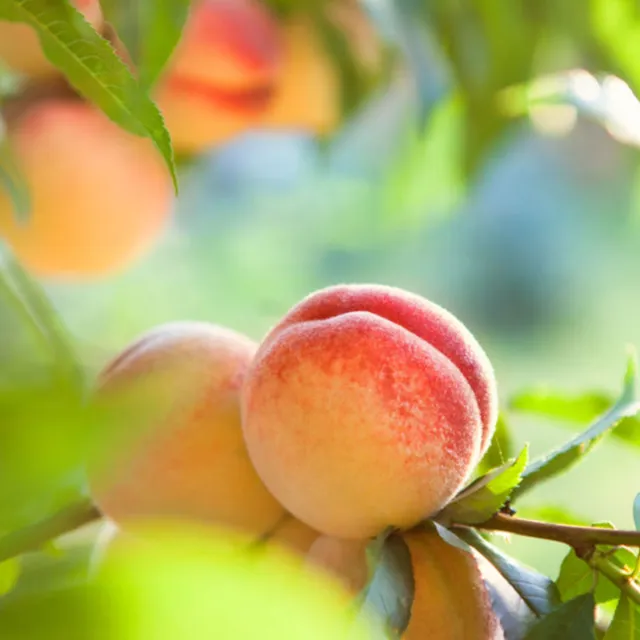
Hale-Haven Peach
Hardiness Zones 5–8
This tree is noted for its high yield and exceptional fruit quality. The peaches it produces are tough-skinned, standing up to handling and preventing bruising. For those reasons, it tends to be found at many roadside markets!
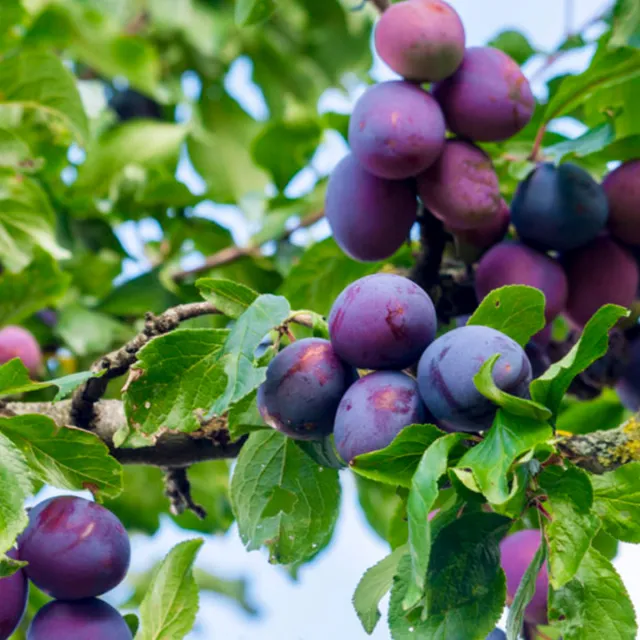
Damson Plum
Hardiness Zones 5–7
The damson plum tree has many appealing traits, including a low and compact crown, tolerance to different soils, cold hardiness, resistance to diseases, and the ability to thrive with little or no care. Its tart, juicy plums are also excellent for home canning.
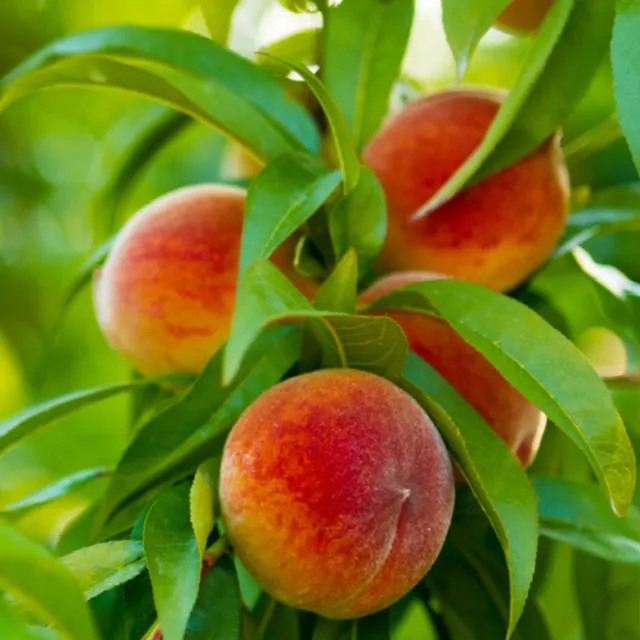
Flordaking Peach
Hardiness Zones 7–9
Flordaking peaches are large and sweet, growing 2” to 2.5” in diameter. They require low chill hours, making them well-suited for warmer climates. And you’ll enjoy additional beauty in the spring with small pink and white blooms.
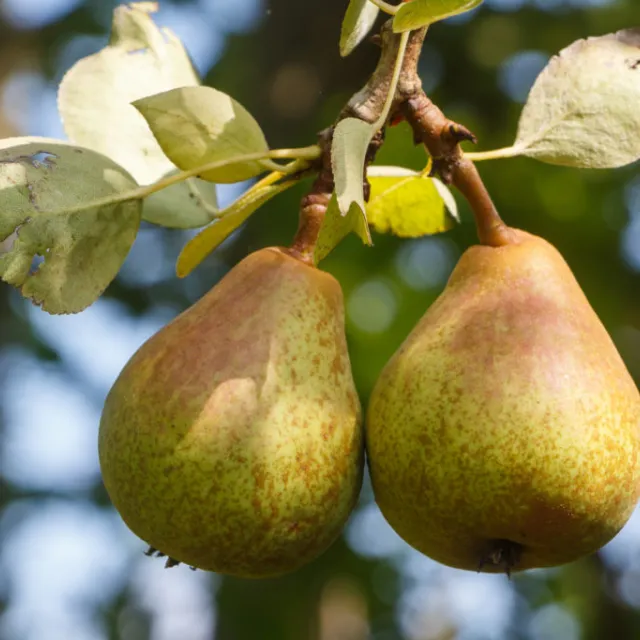
Hood Pear
Hardiness Zones 7–9
Thanks to their low chill hour requirement, hood pears are another great choice for warm climates. Their fruit is greenish-yellow, crisp, and great for fresh eating or canning. The tree is partially self-fertile, but cross-pollination with Baldwin, Flordahome or pineapple pears will ensure a larger crop.