New on Unearthing Optimism: Growing resilient communities starts with trees. LISTEN NOW

12 Fast-Growing Shade Trees for 2022
Discover 12 fast-growing shade trees that quickly add beauty and comfort to your outdoor space.
February 11, 2022

Ah, shade. It's what we all crave from our trees, but it can often take a long time to achieve it. Looking for faster results? Check out these 12 fast-growing shade trees.
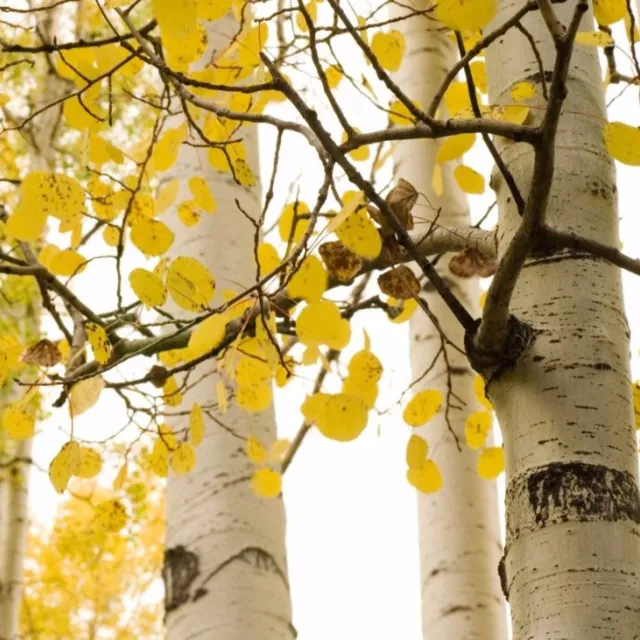
Populus tremuloides
Quaking Aspen
If there were a Guinness Book of World Records for trees, the quaking aspen would be in it — several times. First, it has the widest natural range of any tree in North America, spanning 47 degrees of latitude (equal to half the distance from the equator to the North Pole), 110 degrees of longitude (nine time zones) and elevations from sea level to timberline. It is also the largest living organism, growing in clones that reproduce primarily by sending up sprouts from their roots. And as far as the oldest ... a clone in Minnesota has been estimated to be thousands of years old!
It is not a tree for all places. But planted in the right location, the quaking aspen is a delight of color, movement, and sound.
Zones 1-7
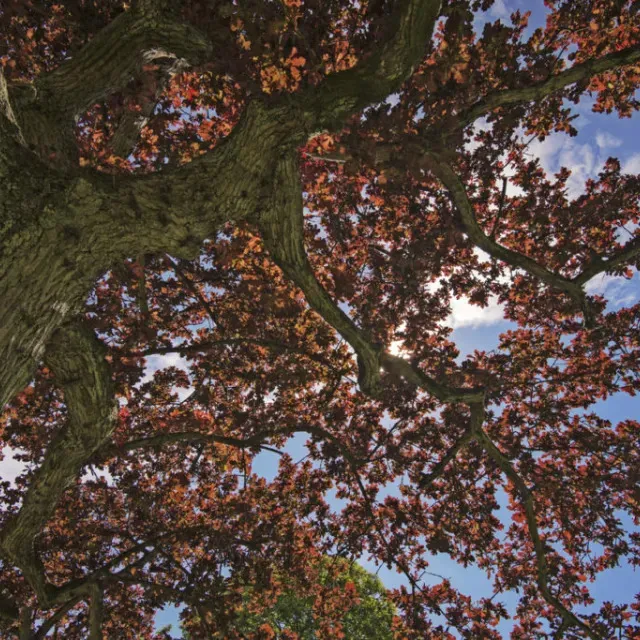
Quercus rubra
Northern Red Oak
The northern red oak has been called “one of the handsomest, cleanest, and stateliest trees in North America” by naturalist Joseph S. Illick, and it is widely considered a national treasure. It is especially valued for its adaptability and usefulness, including its hardiness in urban settings. This medium to large tree is also known for its brilliant fall color, great value to wildlife.
Whether you’re selecting a tree to plant in your front yard or out on the farm, it’s a fast-growing species worth keeping in mind.
Zones 3-8
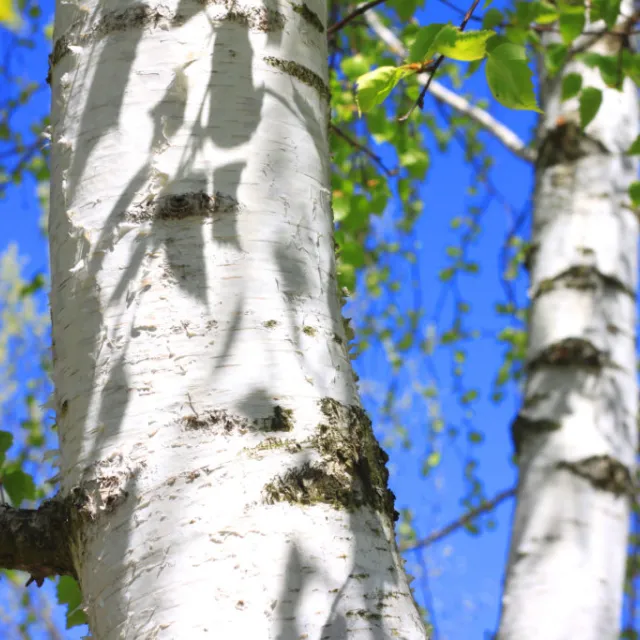
Betula papyrifera
Paper Birch
The paper birch is one of the best-loved trees of the New England landscape, even serving as the state tree of New Hampshire. This fast-grower is often planted for the beauty of its most distinctive characteristic — smooth, white bark that curls and peels once the tree matures. It also provides a splash of brilliant yellow color every fall. Being highly deer-resistant and tolerant to a wide range of soil conditions only add to the popularity of this tree.
Zones 2-7
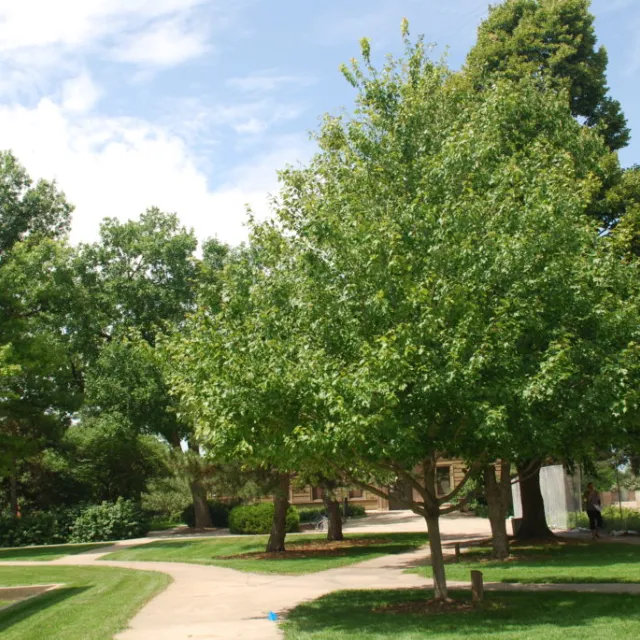
Acer rubrum 'Franksred'
Red Sunset Maple
Known as one of the best red maple cultivars, this tree delivers on color. Winter buds, clusters of small winter/spring flowers, leaf stems, twigs and winged summer fruits all carry a red hue. And of course, the fall show is breathtaking, with red and orange leaves blending to give a sunset effect.
The lovely red coloring, a good branch structure and a faster growth rate make the red sunset maple a welcome enhancement to any yard or public space.
Zones 4-8
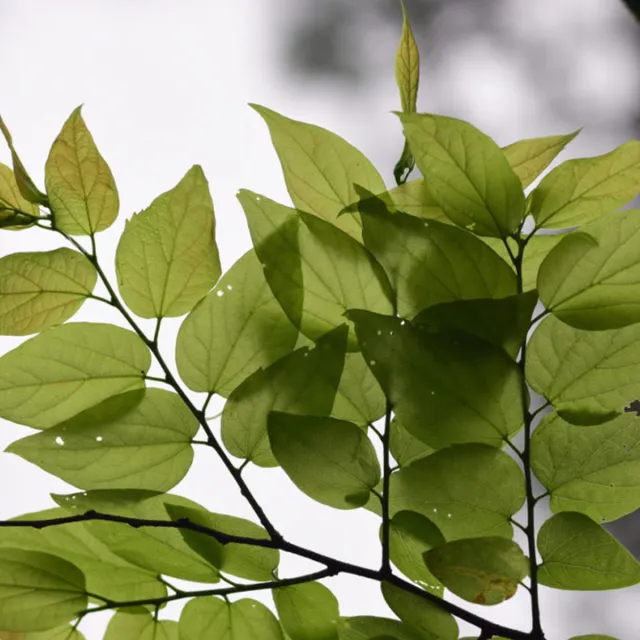
Celtis occidentalis
Hackberry
The hackberry, while often forgotten by casual consumers, is commonly heralded by tree experts as “one tough tree.” Found on a wide range of soils east of the Rockies from southern Canada to Florida, these trees thrive in a broad span of temperatures and on sites that vary from 14 to 60" of annual rainfall. They can even stand up to strong winds and tolerate air pollution.
All of this hardiness adds up to a good landscape choice, particularly if you’re looking for an energy-conserving shade tree that doesn’t require watering.
Zones 3-9

Quercus palustris
Pin Oak
“The pin oak pleases me for reasons I cannot wholly explain,” wrote nature writer Hal Borland in A Countryman’s Woods.
But homeowners and city foresters are pleased with this tree for very specific reasons: strong wood; dense shade; tolerance of many soil conditions, heat, soil compaction and air pollution; free from most major pests; pleasing to the eye in all seasons; and easy to plant. Needless to say, this faster-growing oak is a common sight in yards, along streets and throughout parks.
Zones 4-8
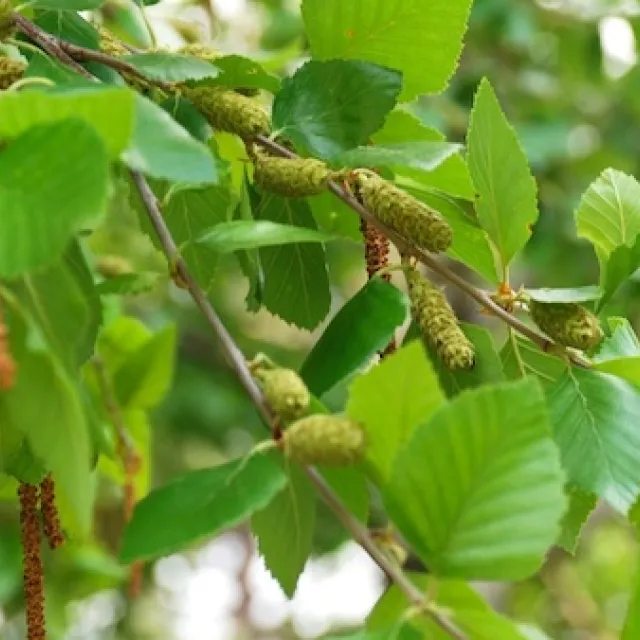
Betula nigra
River Birch
As its name suggests, the river birch naturally grows along riverbanks. But as a landscape tree, it can be planted almost anywhere in the U.S. The species is valued for its relatively rapid growth, tolerance of wetness and some drought, unique curling bark, spreading limbs, and relative resistance to birch borer.
This tree also puts on a nice fall show, adding a splash of brilliant yellow fall color.
Zones 4-9
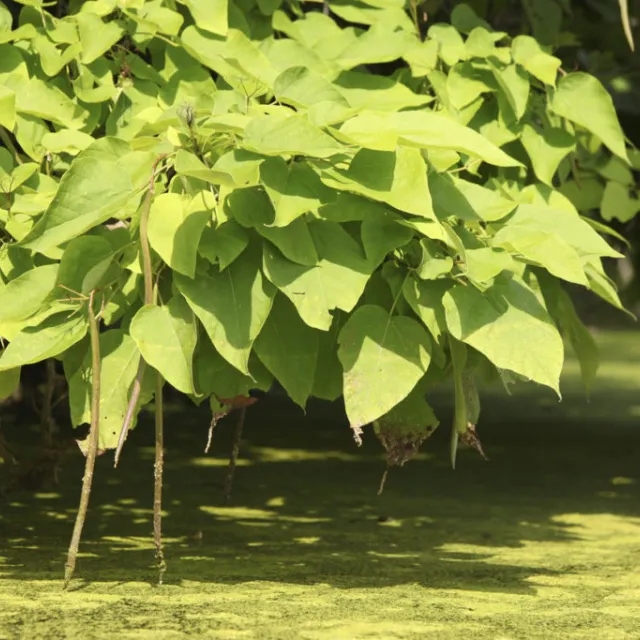
Catalpa speciosa
Northern Catalpa
This is a tree that demands your attention. White, showy flowers. Giant heart-shaped leaves. Dangling bean-like seed pods. Twisting trunk and branches. How could you not stop to take it in? And with all of these unique features, the northern catalpa is popular with kids as well.
While not ideal for every location, this unique and hardy tree is a fast grower that finds a home in parks and yards throughout the country.
Zones 4-8
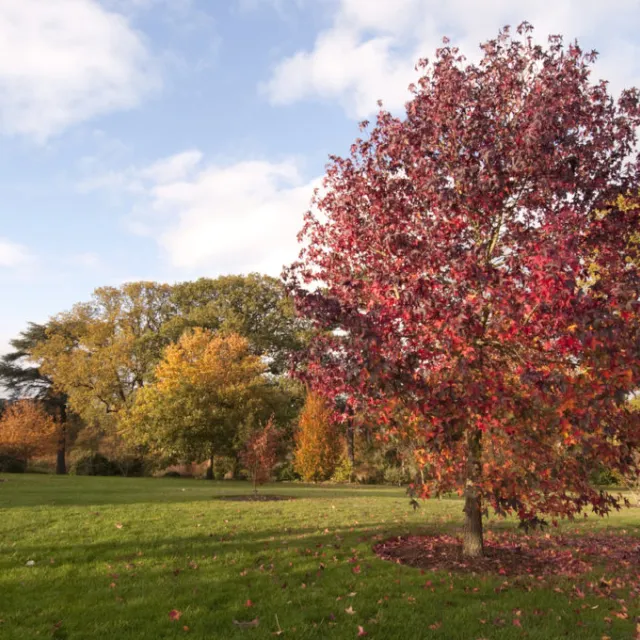
Liquidambar styraciflua
American Sweetgum
The American sweetgum — with its star-shaped leaves, neatly compact crown, interesting fruit, and twigs with unique corky growths called wings — is an attractive shade tree. It has become a prized specimen in parks, campuses, and large yards across the country.
If you’ve got the space and are looking to add some fall color, this tree is a sure bet. The glossy green leaves turn beautiful shades of yellow, orange, red, and purple in the autumn.
Zones 5-9
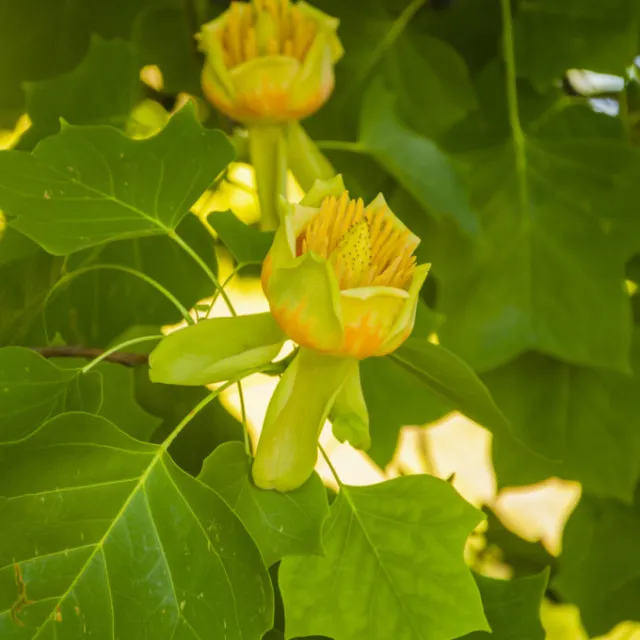
Liriodendron tulipifera
Tuliptree
One can argue about whether the "tulips" are the outline of its leaves or its cup-shaped flowers. But both undoubtedly contributed to the fanciful name given to this tree by early settlers. And the tuliptree is still beloved for its beauty today, serving as the state tree of Kentucky, Indiana, and Tennessee. It is the tallest of the eastern hardwoods — and a rapid grower when conditions are right.
This is a stunning tree that grows quickly and doesn’t suffer from many pest problems.
Zones 4-9
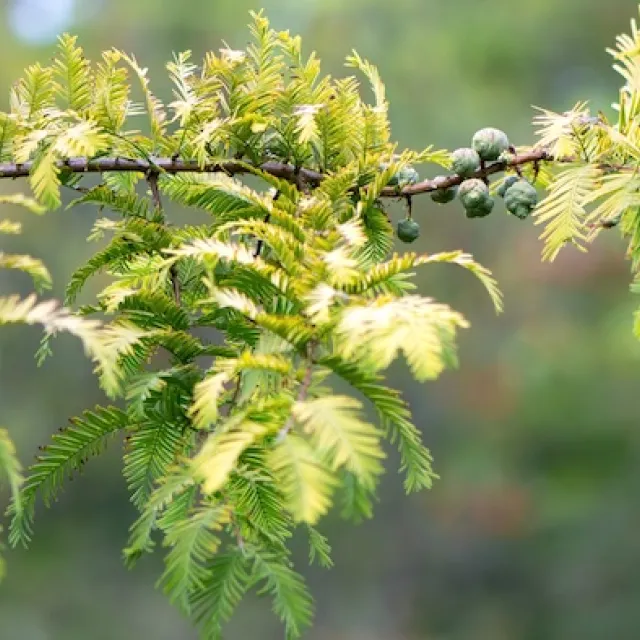
Salix babylonica
Dawn Redwood
An impressive tree by any standard, the dawn redwood is relatively carefree and fast-growing. Its fine, feathery leaves are certainly a standout feature, and even though this tree is deciduous, it produces rounded cones. The dawn redwood was long thought to be extinct — with evidence of its existence found among dinosaur fossils — until it was discovered alive and well in a rural, mountainous area of China. It is now grown worldwide.
Zones 5-8
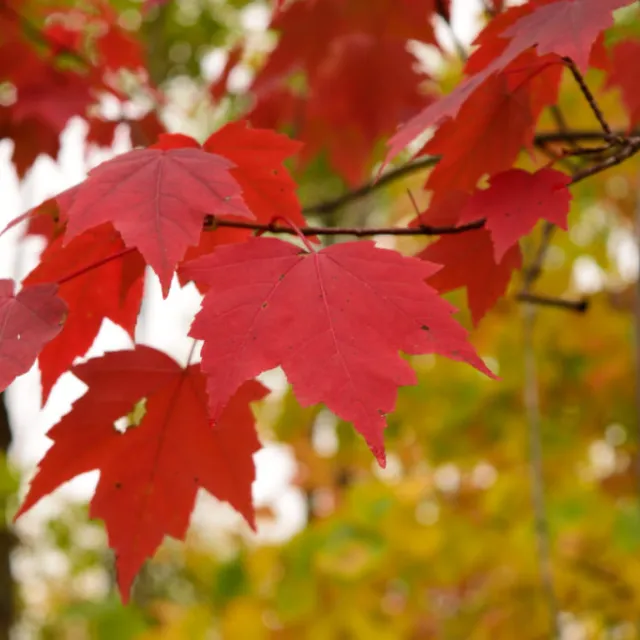
Acer rubrum ‘Sun Valley’
Sun Valley Maple
Wanting the quick-growing shade and fall beauty of a maple tree without the “helicopters”? Look no further. The sun valley maple offers brilliant red fall color and a symmetrical oval crown — but it won’t produce any seeds. This tree is also a low-maintenance choice that is easy to grow.
Zones 4-7