New on Unearthing Optimism: Growing resilient communities starts with trees. LISTEN NOW

10 Drought-Tolerant Trees That Will Throw Shade
Here are 10 drought-tolerant shade trees that will keep you cool and green up to your landscape.
April 26, 2022
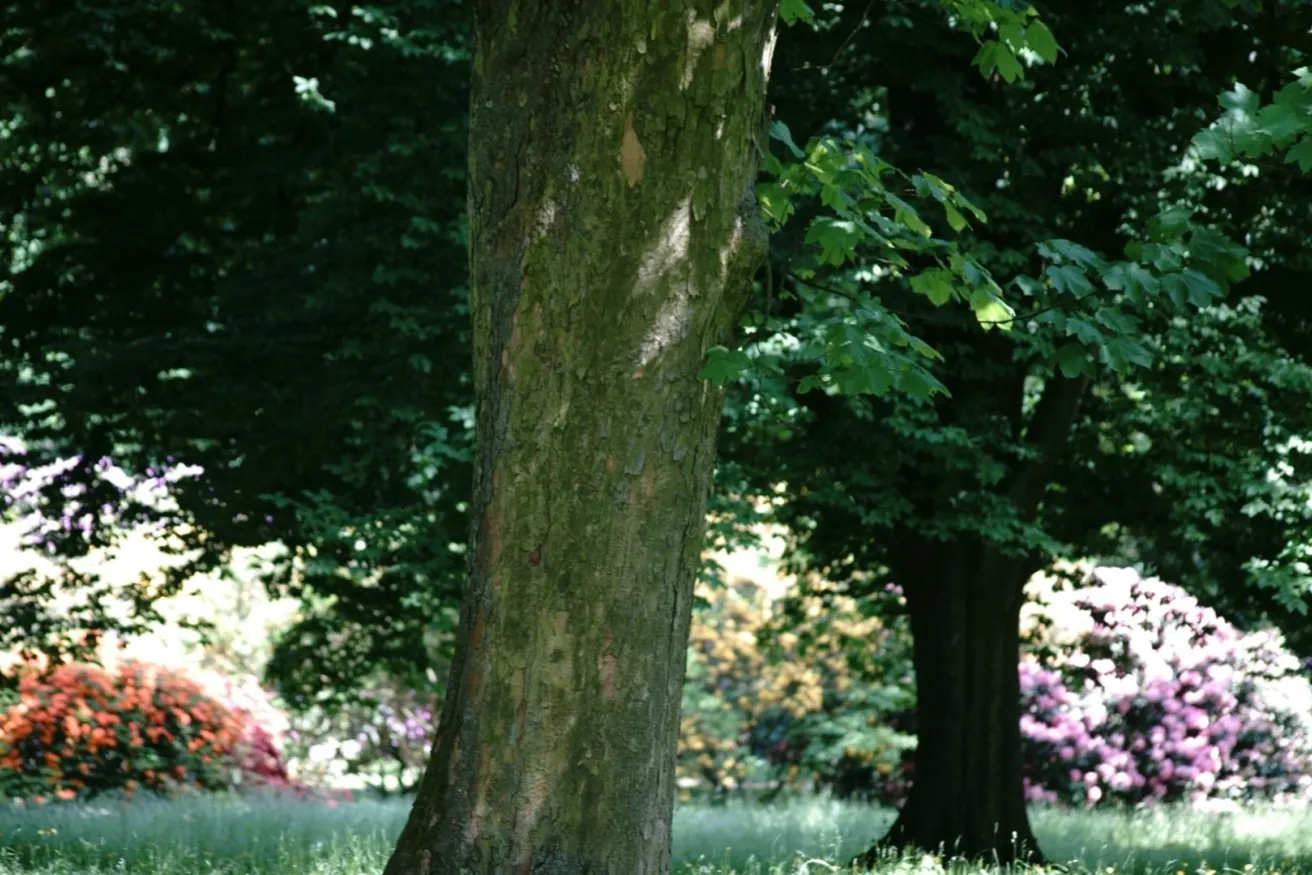
Summers are getting warmer and warmer. One great way to beat the heat is by strategically planting trees that are drought-tolerant and provide great shade.
Here are 10 drought-tolerant shade trees that will keep you cool and green up to your landscape.
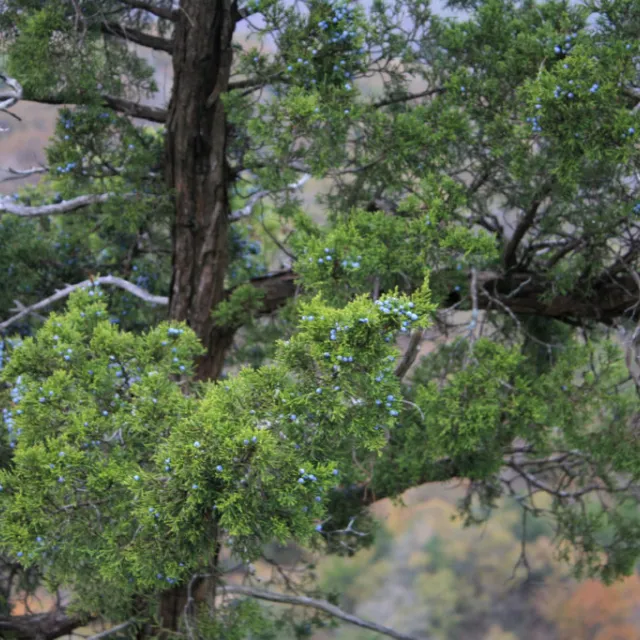
Juniperus virginiana
Eastern Redcedar
The eastern redcedar tree is a common sight throughout most of the plains states and eastern United States on road cuts, in fence rows and scattered across abandoned fields—especially where limestone soils are present. It is an aromatic tree, with reddish wood giving off the scent of cedar chests and crushed fruit providing a whiff of the gin they once flavored.
Thanks to its tolerance of heat, salt, a wide range of soils and other adverse conditions, the eastern redcedar is put to good use on the farm in windbreaks and in city landscapes for hedges, screens, clumps or even as specimen trees.
Hardiness zones 2-9
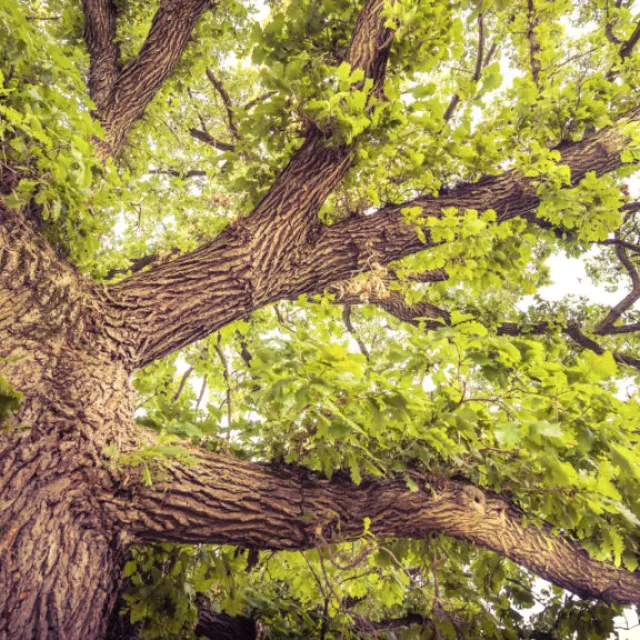
Quercus macrocarpa
Bur Oak
The bur oak is a mighty sight to behold. A coarsely textured crown, wild and wooly acorns and a massive trunk with rough and deeply furrowed bark combine to make one impressive tree. But really, those characteristics helped this oak survive the elements of its wide-reaching natural range. In fact, the natural bur oak range is the northern- and western- most of all the eastern oak species.
While its massive size counts this tree out for most urban and suburban yards, the bur oak make a great choice for parks, institutional grounds and expansive yards.
Hardiness zones 3-8
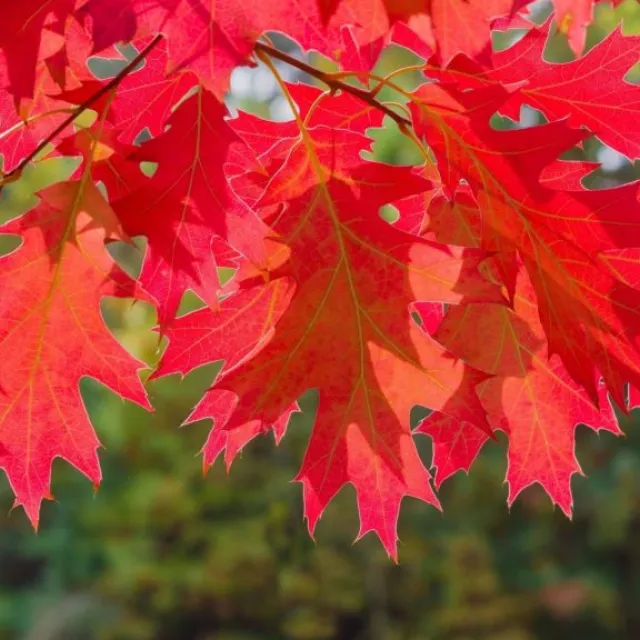
Quercus rubra
Northern Red Oak
The northern red oak, called “one of the handsomest, cleanest, and stateliest trees in North America” by naturalist Joseph S. Illick, and it is widely considered a national treasure. Its value is in its adaptability and usefulness, including its hardiness in urban settings. This medium to large tree is known for its brilliant fall color, great value to wildlife and status as the state tree of New Jersey.
Whether you’re selecting a tree to plant in your front yard or out on the farm, it’s a fast-growing species worth keeping in mind.
Hardiness zones 3-8
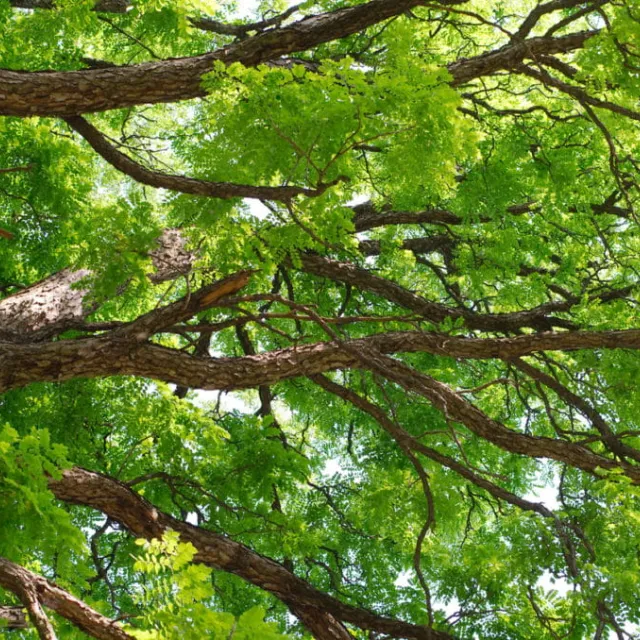
Gymnocladus dioicus
Kentucky Coffeetree
Drought-resistant. Tolerant of pollution. Adaptable to a variety of soils. With its reputation as a tough species, the Kentucky coffeetree is an excellent choice for parks, golf courses and other large areas. Cities widely use this tree as an ornamental or street tree.
The tree’s picturesque profile stands out in all seasons and is attributed to a unique growth habit of coarse, ascending branches that often form a narrow crown. Tree expert Michael Dirr pointed out that there are “certainly no two exactly alike.”
Hardiness zones 3-8
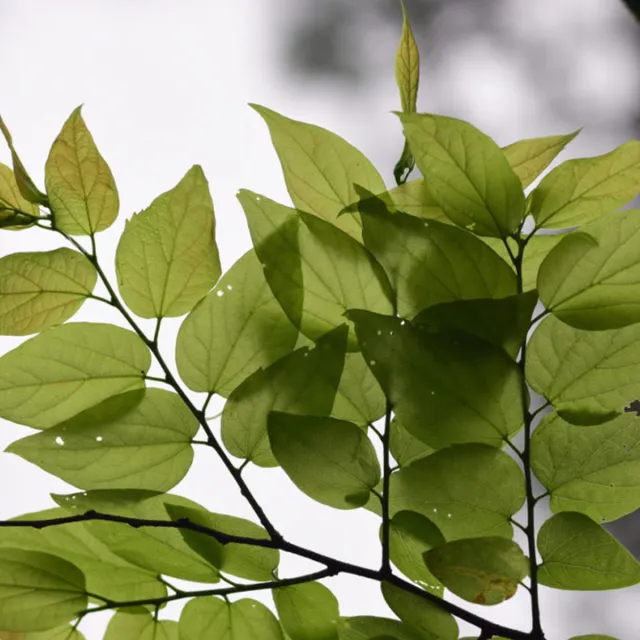
Celtis occidentalis
Hackberry
The hackberry, while often forgotten by casual consumers, is commonly heralded by tree experts as “one tough tree.” Living in a variety of soils east of the Rockies from southern Canada to Florida, these trees thrive in a broad span of temperatures and on sites that vary from 14 to 60" of annual rainfall. They can even stand up to strong winds and tolerate air pollution.
All of this hardiness adds up to a good landscape choice, particularly if you’re looking for an energy-conserving shade tree that doesn’t require watering.
Hardiness zones 3-9
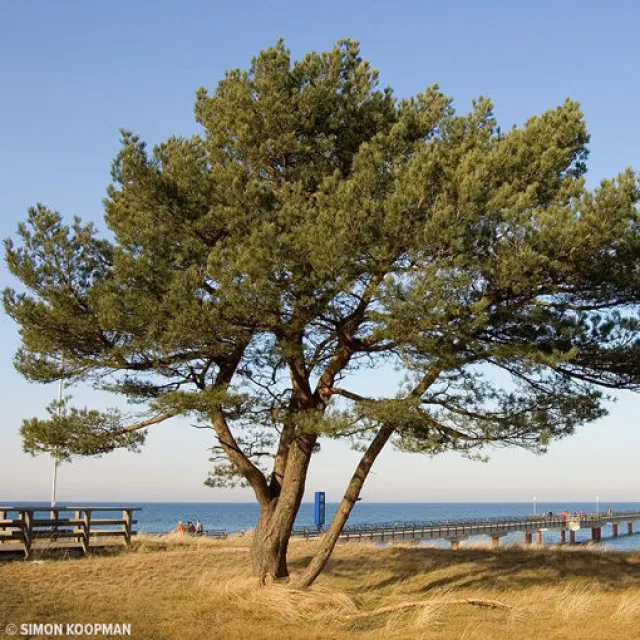
Pinus sylvestris
Scots Pine
The Scots pine is a beautiful evergreen that is hardy and adaptable to nearly all climates. It is used as a windbreak but will work well as a single specimen.
This tree is also a popular Christmas tree choice because of its form and ability to hold onto its needles for an extended period of time. Because of its reseeding capabilities, the Scots pine is used for reclamation sites.
Hardiness zones 3-7
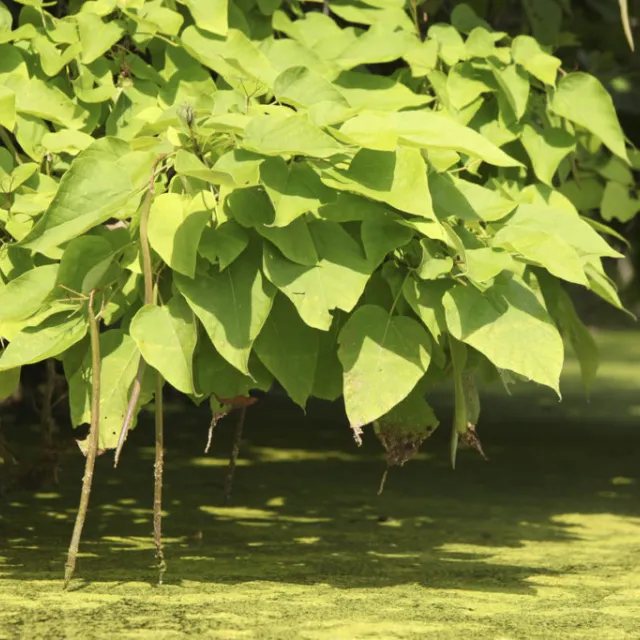
Catalpa speciosa
Northern Catalpa
This is a tree that demands your attention. White, showy flowers. Giant heart-shaped leaves. Dangling bean-like seed pods. Twisting trunk and branches. How could you not stop to take it in? And with all of these unique features, the northern catalpa is popular with kids as well.
While not ideal for every location, this unique and hardy tree is a fast grower that finds a home in parks and yards throughout the country.
Hardiness zones 4-8
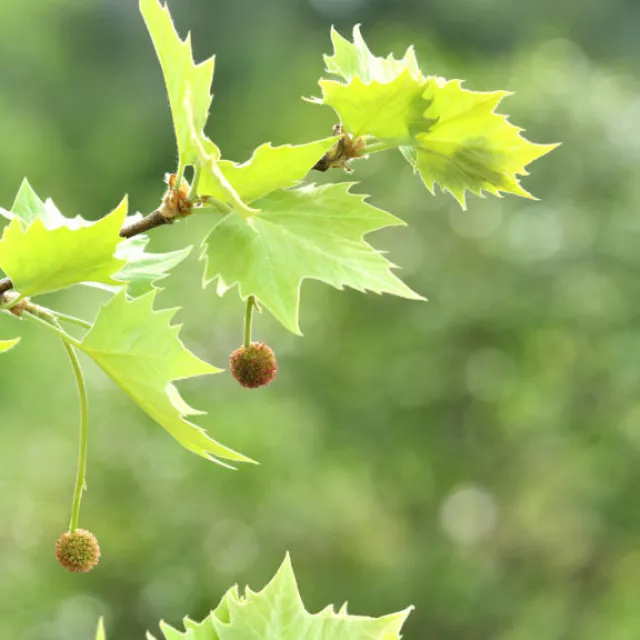
Platanus x acerifolia
London Planetree
The London planetree is a widely planted street tree, and for good reason. Its attributes were discovered in London where the new hybrid first appeared around 1645. The tree thrives in the sooty air and provide wonderful shade. Its ability to withstand air pollution, drought and other adversities assures its popularity as an urban tree. Strong limbs also help make the London planetree a good choice where site conditions allow for its large size.
Beyond its reputation as a survivor, this tree is simply worth admiring. The unique bark and interesting branching give it amazing visual appeal—whether summer or winter.
Hardiness zones 5-9
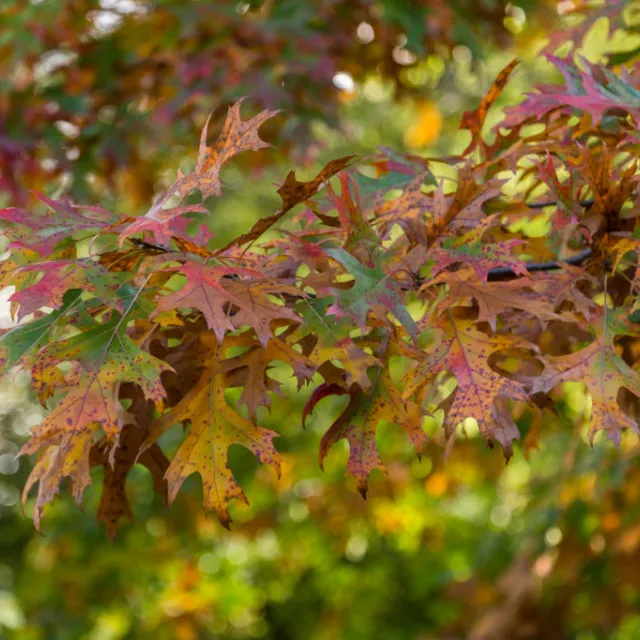
Quercus shumardii
Shumard Oak
A stately, strong and long-lived tree with beautiful fall color, the Shumard oak is a great selection for yards. This adaptable species grows successfully in urban areas where air pollution, poor drainage, compacted soil, and/or drought are common, making it a fine choice for street trees as well.
Homeowners favor this tree, while deer and squirrels also love its small acorns.
Hardiness zones 5-9
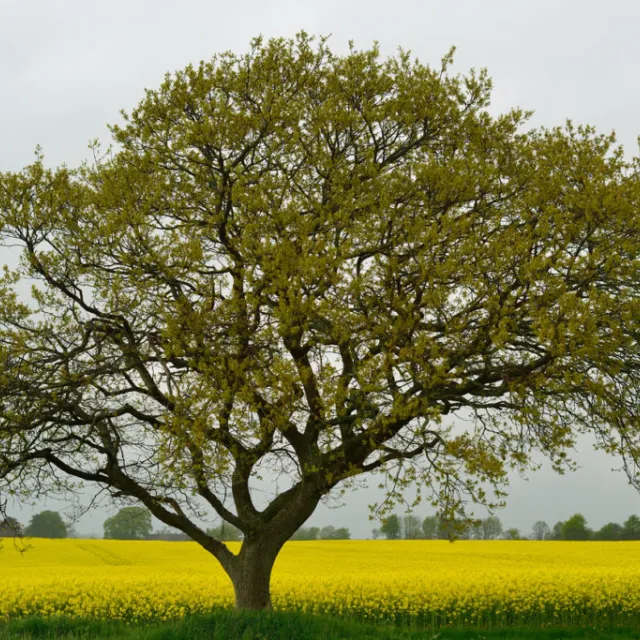
Quercus virginiana
Live Oak
Often seen magnificently draped in Spanish moss, the live oak is the iconic tree of the South. It is one of the most impressive North American trees and can live to be hundreds of years old.
Its exceptionally strong wood was a key lumber in early navy vessels, including the famous USS Constitution. City foresters and arborists appreciate this tree for its wind firmness, adaptability to various soil types, and tolerance to soil compaction and salt spray.
Hardiness zones 7-10