New on Unearthing Optimism: Growing resilient communities starts with trees. LISTEN NOW

A Family Legacy Reforesting the Future
Honoring the past while restoring wildfire-damaged forests in Ontario, Canada.
January 30, 2026
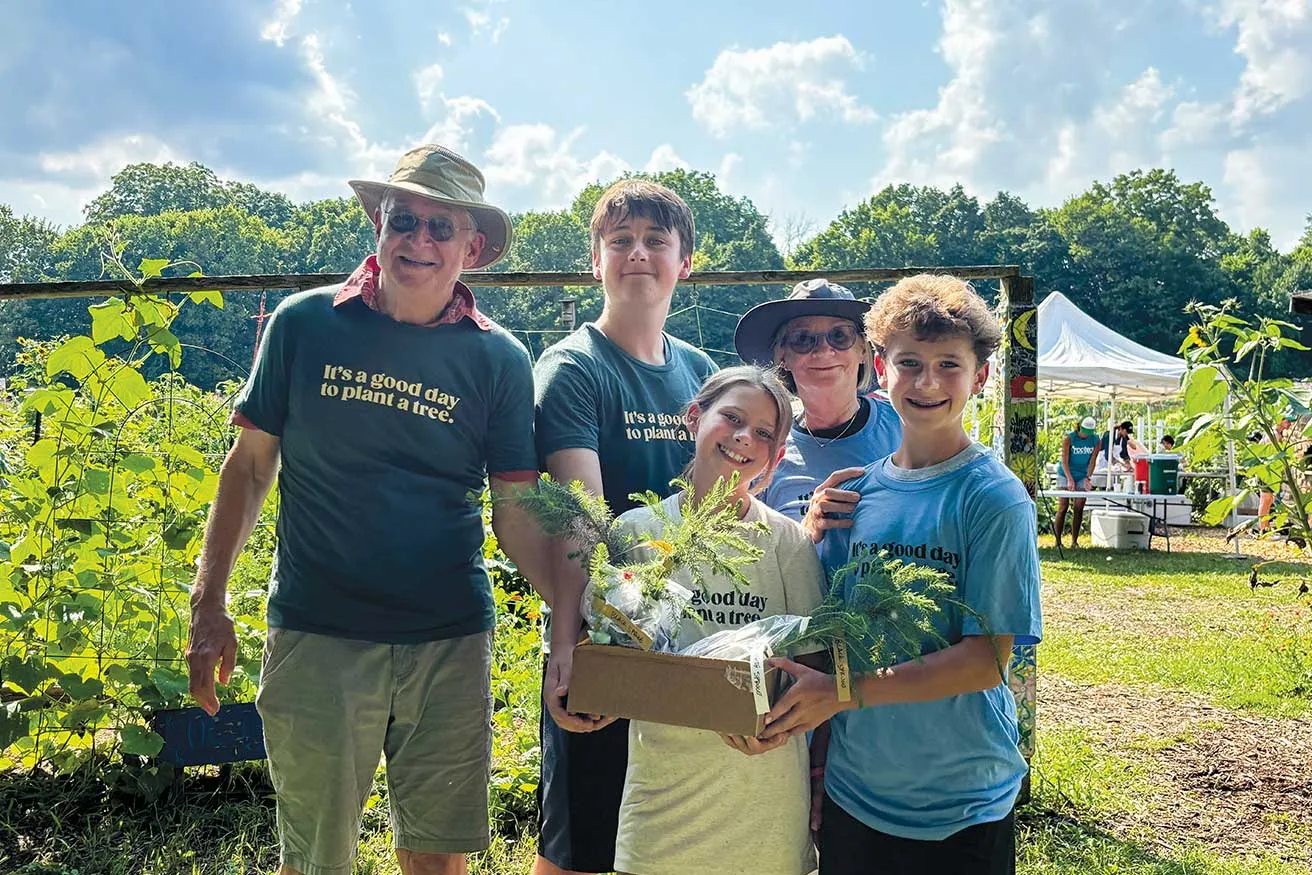
After historic wildfires devastated northern Ontario’s Ogoki Forest, one family’s legacy helped drive large-scale forest recovery, responding to a challenge reshaping forests across central and western Canada.
Nearly a century ago, F.J. Sensenbrenner helped shape Kapuskasing, Ontario, with a forward-looking belief that healthy forests and healthy communities are inseparable. His leadership helped establish responsible forestry practices that still influence northern Ontario today, setting a standard for stewardship long before sustainability became a shared priority.
Today, that legacy is taking root once again.
ANSWERING A MOMENT OF URGENCY
In 2023, record-breaking wildfires tore through northern Ontario, devastating more than 40,000 hectares (approximately 98,842 acres) of the Ogoki Forest near Kapuskasing. The fires destroyed critical wildlife habitat, destabilized soil and watersheds, and left vast stretches of boreal forest struggling to recover.
For the Sensenbrenner family, the loss was personal. These were the same forests their great-grandfather had helped steward and replant generations earlier.
Joe and Mary Ellyn Sensenbrenner saw an opportunity not only to honor that history, but to meet the urgency of the present moment — supporting recovery in a region facing increasing wildfire risk while helping ensure the forest could return stronger for future generations.
FROM VISION TO ACTION ON THE GROUND
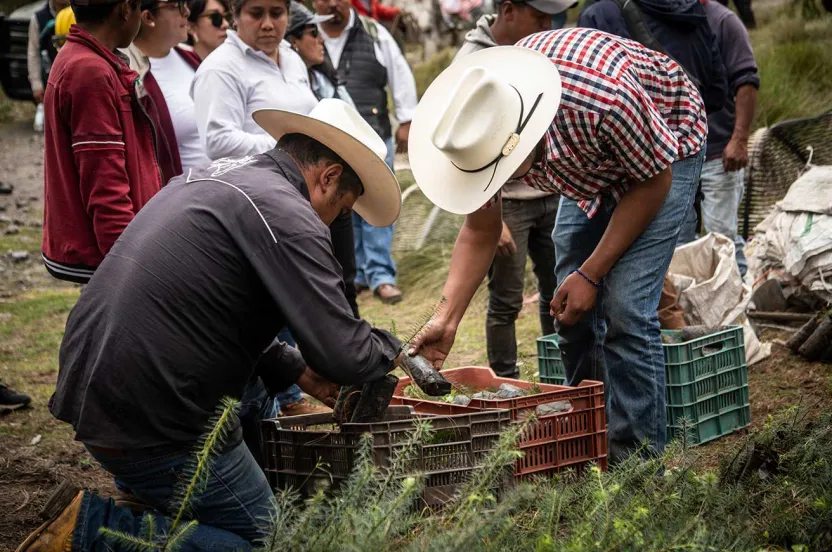
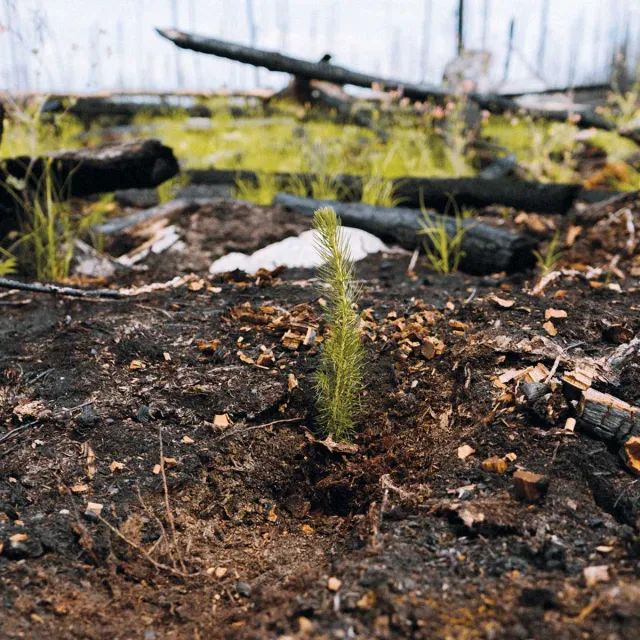
Through the Sensenbrenner family’s leadership gift, the Arbor Day Foundation launched its first forest community renewal project in Kapuskasing. In 2024, the project’s first phase came to life with the planting of more than 10,000 native spruce trees, a visible commitment to recovery and a catalyst for broader restoration across the Ogoki Forest.
Beyond that initial planting, the Sensenbrenner family’s support funded more than 100,000 trees overall. Through matching contributions from the Arbor Day Foundation and government partners, that investment grew to over 185,000 trees planted, accelerating restoration across some of the region’s most severely impacted burn areas.
Working alongside local partners, Indigenous advisors, and reforestation experts, the Foundation helped turn urgency into action, ensuring restoration efforts were guided by science, local knowledge, and long-term impact.
MORE THAN TREES
This work is about far more than numbers.
Each tree planted helps stabilize burned soil, protect waterways, and create the conditions wildlife need to return, like moose, migratory birds, and woodland caribou. The project also supports seasonal jobs in rural communities and strengthens local partnerships rooted in shared stewardship of the land.
As the connective tissue of the effort, the Arbor Day Foundation brings together donor vision, science-based restoration, Indigenous knowledge, and on-the-ground implementation. From landscape assessment and project design to partner coordination, planting oversight, and long-term reporting, the Foundation ensures that every dollar entrusted to this work delivers measurable, lasting impact.
CARRYING THE LEGACY FORWARD
Wildfires have dramatically reshaped landscapes across central and western Canada in recent years, underscoring the need for restoration efforts that extend beyond a single season or site.
Phase II of the Sensenbrenner Tree Initiative represents far more than a continuation of work in the Ogoki Forest. It is a building block toward a sustained, multi-year vision to restore wildfire-damaged forests across northern Ontario and beyond. Looking ahead, Phase III will build on the success in Kapuskasing, expanding restoration efforts to nearby communities and continuing this work through 2026 and 2027.
More than reforestation, this initiative is restoring wildlife habitat, supporting local livelihoods, and renewing hope across boreal communities working to recover after wildfire.
“We’re trying to live up to the same standard—thinking beyond our own lifetimes and investing in what comes next,” says Joe Sensenbrenner.
The Sensenbrenner Tree Initiative shows that when legacy is paired with action, it can help heal landscapes and inspire others to do the same.