The AP’s Peter Prengaman talks news and hope in Unearthing Optimism. LISTEN NOW

Protecting Water and Forests at Mexico’s Highest Peak
Restoring native forests in and around Pico de Orizaba National Park is helping protect water, wildlife, and the communities that depend on this critical ecosystem.
September 18, 2026
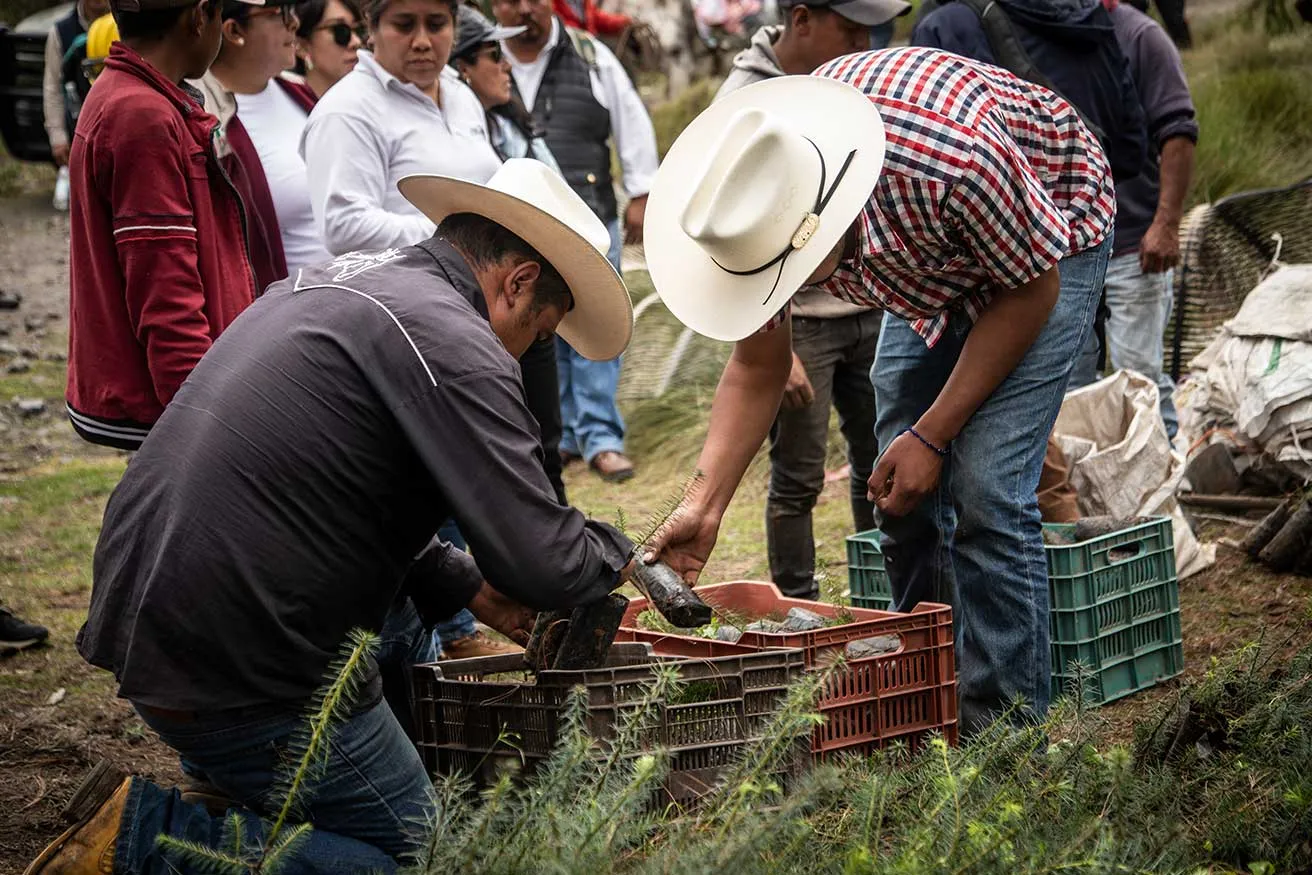
Rising above the surrounding landscape, Pico de Orizaba is more than Mexico’s highest peak — it’s a lifeline.
Located about 130 miles east of Mexico City, on the border of Veracruz and Puebla, Pico de Orizaba National Park spans nearly 19,750 hectares (approximately 76 square miles). The peak anchors a glacier-fed watershed that provides drinking water and supports agriculture for nearly 2 million people across 30 municipalities in south-central Mexico.
But our changing planet is reshaping this critical ecosystem. The Jamapa Glacier, one of Mexico’s last five remaining glaciers, continues to shrink from rising temperatures — while deforestation and erosion disrupt natural water flow and weaken the forest’s ability to filter and retain freshwater. As forest cover declines, both the environment and the communities that depend on it face growing uncertainty.
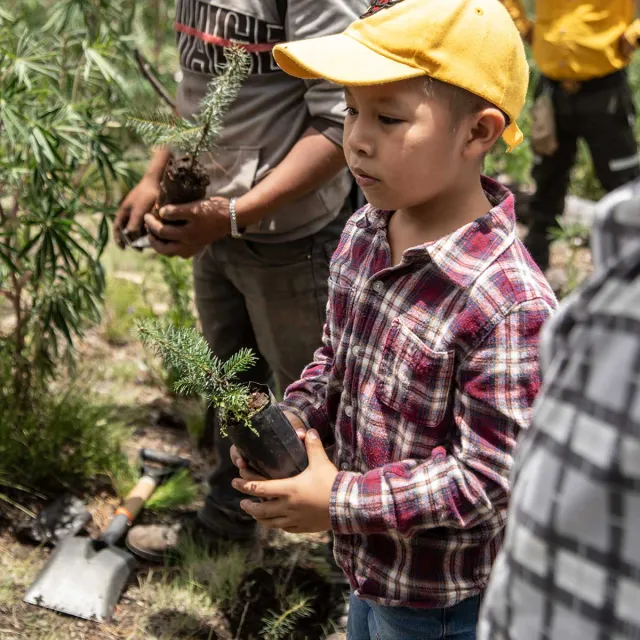
In response, the Arbor Day Foundation is partnering with ReforestACCIÓN to restore this vital watershed through strategic reforestation. In fall 2025, approximately 40,000 native seedlings were planted across key restoration sites. And the work continues to this day.
With a Forest Priority Index of 8 out of 10, the project ranks among the regions where trees can deliver the greatest impact. The science-based index helps the Foundation identify where reforestation can most effectively support climate resilience, strengthen ecosystems and wildlife habitat, and protect surrounding Indigenous and community lands.
The project emphasizes planting endemic tree species well suited to the region, including oyamel fir, a critical winter habitat for monarch butterflies, and Hartweg’s pine. As these trees mature, they will help stabilize soils, improve water quality, and enhance water retention for downstream communities. Expanding forest cover also supports biodiversity, creating habitat for birds and mammals that play essential roles in pollination and seed dispersal.
Beyond ecological benefits, the project creates local jobs and engages surrounding communities in long-term stewardship. Restoring forests at Pico de Orizaba not only protects a watershed, but also a way of life for generations to come.