The AP’s Peter Prengaman talks news and hope in Unearthing Optimism. LISTEN NOW

How to Plant Trees in the Fall:
7 Tips for Success
Plant with confidence this fall and give your new tree a strong foundation for years to come.
September 4, 2026
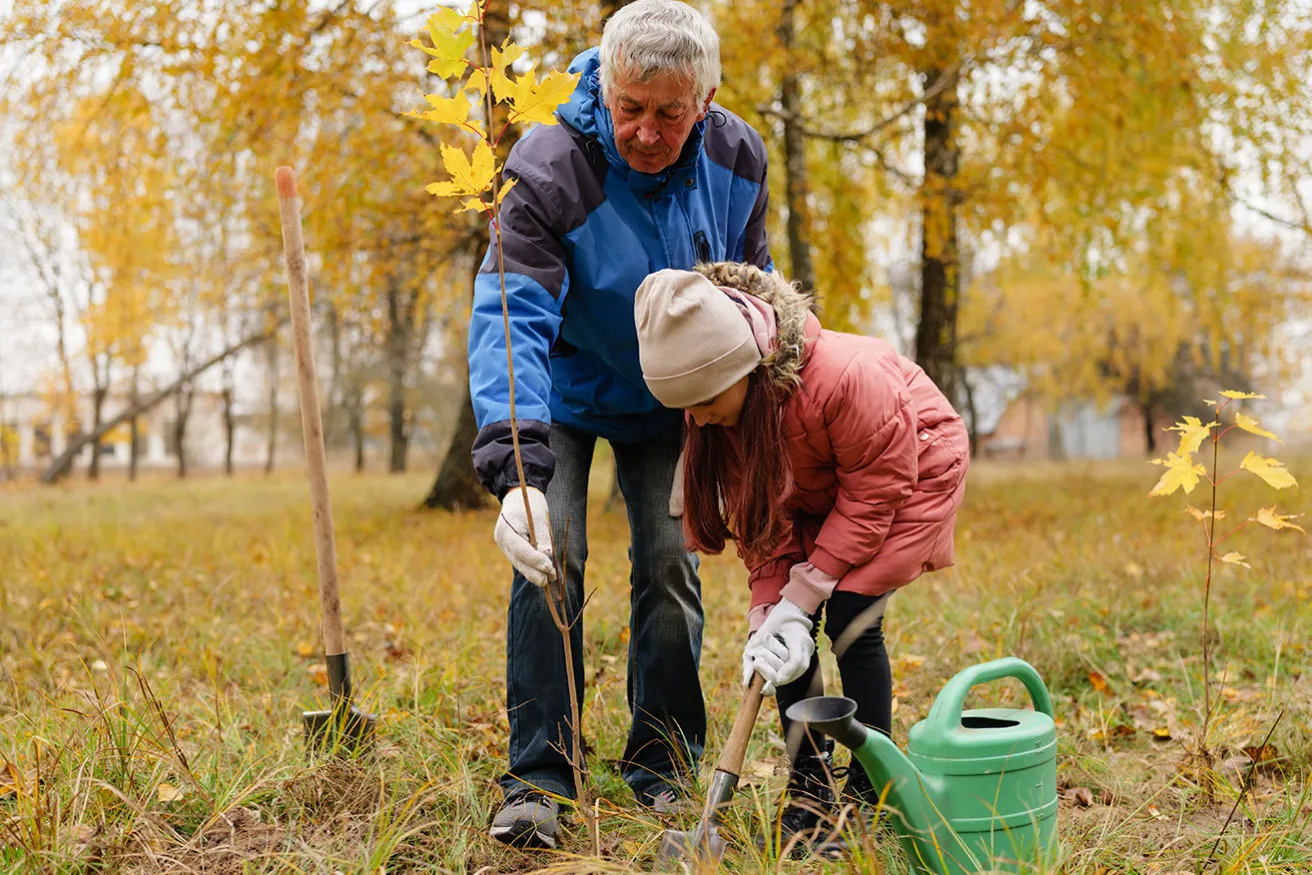
Fall’s cooler temperatures can create ideal conditions for planting trees. Here’s how to give your new tree a strong start before winter.
Planting a tree successfully takes more than simply digging a hole and filling it back in. Choosing the right tree, selecting the right planting site, and providing proper care after planting can all make a difference in how well your tree grows for years to come.
If you’re planning to add a tree to your landscape this fall, keep these tips in mind.
1. CHOOSE THE RIGHT TREE FOR THE RIGHT PLACE
Before you pick up a shovel, think about what you want your tree to do. Are you looking for shade? Privacy? Fall color? Habitat for wildlife? Or simply a beautiful addition to your landscape?
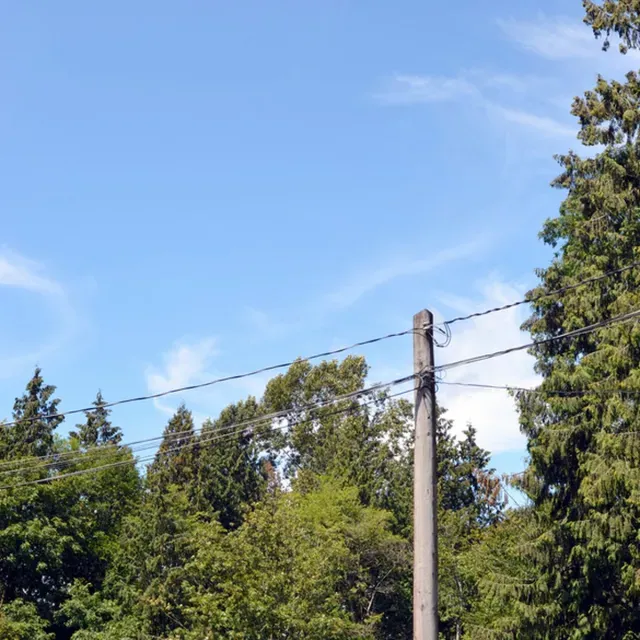
Once you know your goal, consider the conditions where the tree will grow. How much sunlight does the site receive? How much space will the tree have as it matures? What type of soil and drainage does the site offer? Are there overhead power lines, buildings, sidewalks, or underground utilities nearby?
The right tree for the site is more likely to thrive and require less maintenance over time. That’s why choosing the right tree for the right place is one of the most important steps you can take.
Before you dig, call 811 to identify underground utility lines. It’s a simple step that can help you avoid a much bigger problem later.
2. PLANT AT THE RIGHT TIME
So, when should you plant a tree?
For many trees and regions, spring and fall are both good planting seasons. The exact timing depends on your local climate, the tree species, and when the ground typically freezes.
For best results, you should plant about 6 weeks before the ground is expected to freeze. The key is to plant with enough time for the tree to suitably acclimate to the planting site, not simply as late in the season as possible.
3. HANDLE YOUR TREE WITH CARE BEFORE PLANTING
Once you bring your tree home, plant it as soon as practical.
If you need to wait, protect the roots from drying out and avoid exposing the tree to extreme temperatures. Keep containerized trees in a sheltered location and make sure the roots stay adequately moist.
When moving a tree, lift it by the container or root ball — not by the trunk. A damaged trunk or root ball can make it harder for the tree to get established.
4. PLANT YOUR TREE CORRECTLY
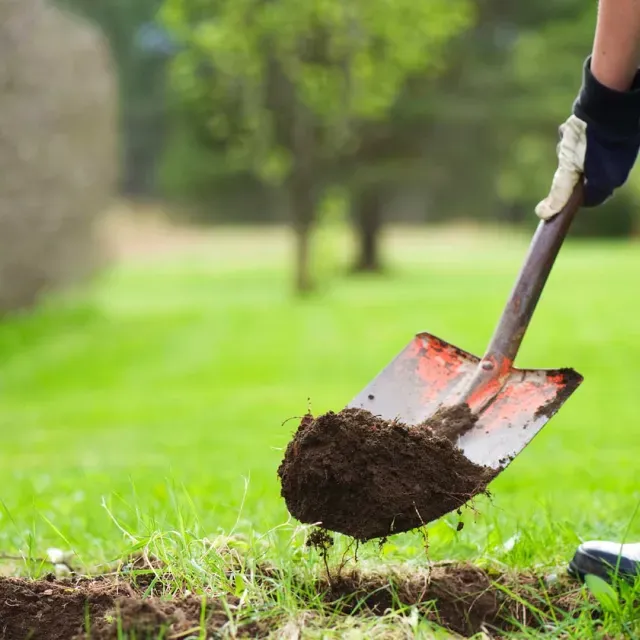
Proper planting starts with the hole. Dig a hole that is wide enough to accommodate the tree’s root system and no deeper than the root ball (it’s typically shallower than you think!). The sides of the hole should slope outward rather than creating a narrow, deep cavity.
Pay particular attention to the tree’s root flare, or the point where the trunk begins to spread into the major roots. The root flare should be at or slightly above ground level when the tree is planted. Planting too deeply is one of the most common mistakes homeowners make, and it can create serious problems for tree health.
After positioning the tree, backfill the hole with the soil you removed. Avoid heavily amending the planting hole unless a soil test or local expert recommends it; the goal is to encourage roots to grow outward into the surrounding soil.
5. WATER DEEPLY AFTER PLANTING
Even in fall, newly planted trees need water until the ground freezes. Give your tree a thorough watering immediately after planting to settle the soil around the roots and eliminate large air pockets. Continue monitoring soil moisture throughout the fall, adjusting for rainfall, soil type, tree size, and local conditions.
The goal is to keep the root zone consistently moist — not saturated. Newly planted trees are especially vulnerable during their first few growing seasons because they are still developing the root system they need to withstand heat and drought. Deep, consistent watering during this establishment period can help your tree get off to a stronger start.
And remember: rain doesn’t always mean your tree has received enough water. Check the soil around the root zone before watering again.
6. ADD A LAYER OF MULCH — BUT AVOID A MULCH VOLCANO
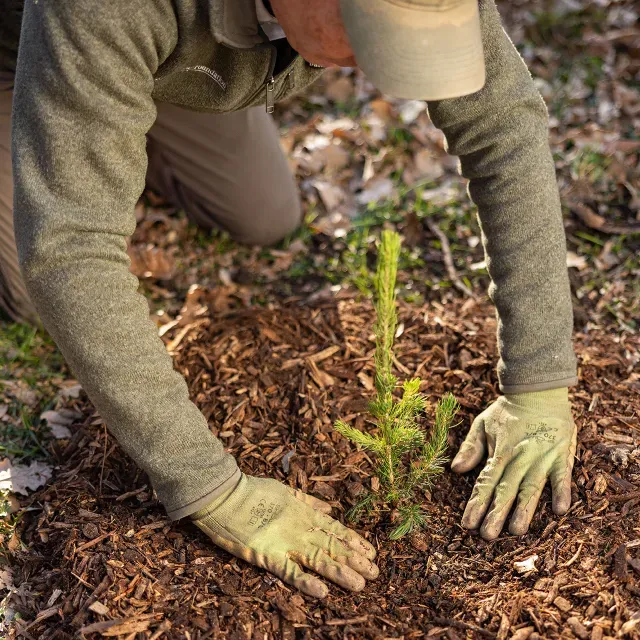
Mulch is one of the simplest ways to help a newly planted tree. A 2- to 4-inch layer of woodchip or other organic mulch can help retain soil moisture, moderate soil temperatures, reduce competition from grass and weeds, and protect roots from temperature extremes.
Spread the mulch in a broad ring around the tree, keeping it several inches away from the trunk. Whatever you do, don’t pile mulch against the trunk. The infamous “mulch volcano” can cause serious problems.
Think donut, not volcano.
7. GIVE YOUR TREE TIME TO ESTABLISH
Your new tree is likely resting through the winter, but continue paying attention to moisture and other site conditions as the seasons change — particularly during the first couple of growing seasons.
Avoid the temptation to fertilize a newly planted tree. Healthy soil and appropriate moisture are more important to establishment, and fertilizer should generally be used only when a soil test or tree-care professional indicates a nutrient deficiency.
As your tree grows, keep an eye out for signs of stress, pests, or disease. And if you're unsure about a tree's health or need help with pruning, consider consulting an ISA Certified Arborist®.
Plant a tree this fall, and give it room to grow
Fall can be an excellent time to add a tree to your landscape. With thoughtful planning and a little care, you can give your tree a head start before the next growing season begins.
Start by choosing the right tree for the right place. Plant it properly, water it well, add a layer of mulch, and give it time to establish. The care you provide today can help your tree thrive for decades to come.
Ready to plant? Explore the Arbor Day Foundation’s Tree Guide and Tree Finder for more resources to help you choose, plant and care for your tree.