The AP’s Peter Prengaman talks news and hope in Unearthing Optimism. LISTEN NOW

Growing the Next Generation of Tree City USA
Meet the urban forestry leaders building on 50 years of Tree City USA to create stronger, healthier communities.
September 4, 2026
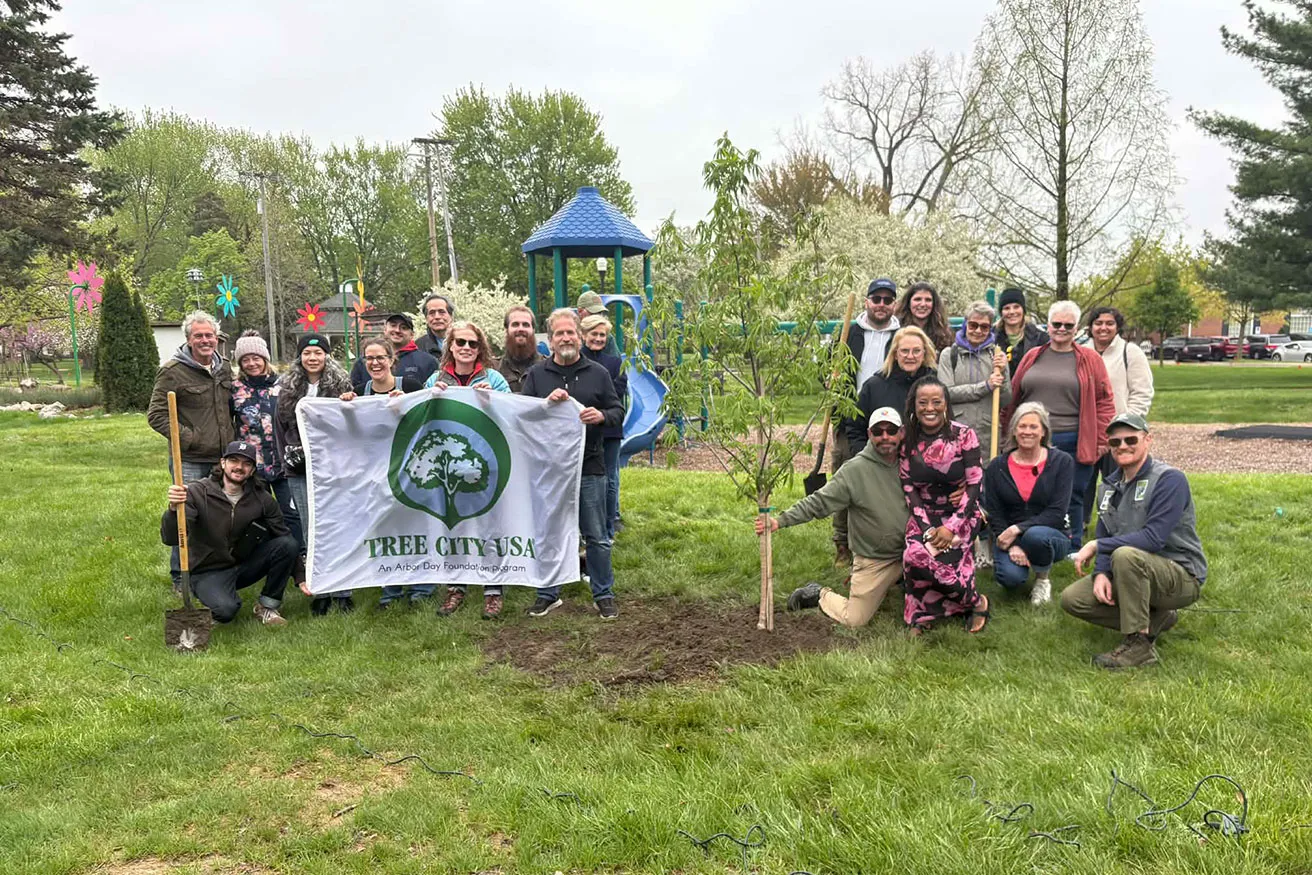
From essential infrastructure to community connection, today's urban foresters are expanding the role trees play in our cities.
For 50 years, Tree City USA has helped communities recognize that trees make neighborhoods healthier, stronger, and more resilient. As the program celebrates its golden anniversary, a new generation of leaders is carrying that legacy forward.
They're inheriting programs built through decades of commitments, while also redefining what urban forestry looks like for today's challenges. They're using data to guide tree planting decisions, preparing communities for a changing climate, building stronger partnerships with residents, and treating trees as essential infrastructure that supports public health.
"I think right now we are on the precipice of something bigger than us," said Michael Martini, Urban Forestry & Natural Resources Manager for the City of Renton, Washington. "Heat disparities, natural disasters…urban forestry is there to help work through those issues."
Martini has watched the profession evolve beyond traditional tree management into something much broader.
"We're managing people, we're managing priorities, we're managing heat, he said. “We are trying to figure out where all the pieces of the puzzle come together."
Cities are now looking at socioeconomic and environmental data sets to help determine where trees are needed most, helping urban foresters make more strategic investments than ever before.
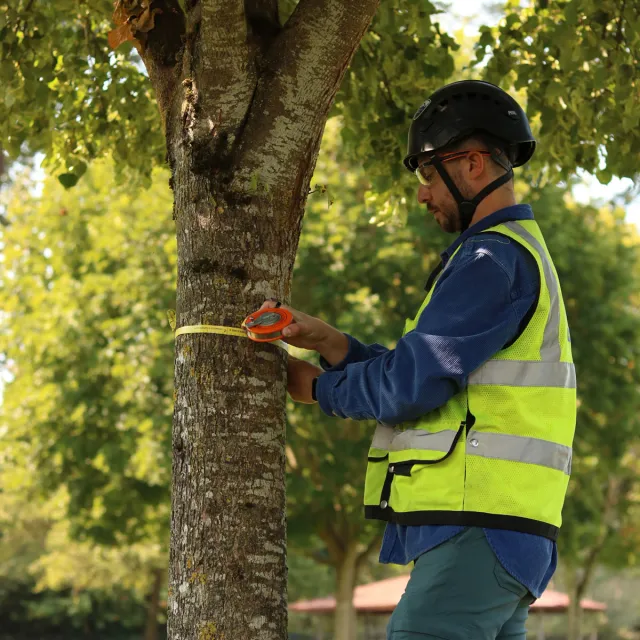
"We are no longer seeing trees as just a nicety," Martini said. "They're starting to weave their way into essential infrastructure, like a stop sign or a fire hydrant."
That evolution is happening in communities across the country.
In Birmingham, Michigan, Forestry & Environment Assistant Foreman Brandon Wynn said one of the most important shifts is helping residents become active participants in caring for their community forest. Today, homeowners are invited to help choose the tree species planted near their homes, creating stronger connections between people and the trees growing outside their front doors.
That philosophy also inspired one of Birmingham's most ambitious projects: transforming the entire city into a living arboretum. Rather than creating a single destination, the initiative connects parks, trails, and neighborhoods through educational signs, maps, and QR codes that help residents discover the trees growing all around them. The goal is to help people see their community forest as something they know, value, and care for.
For both Wynn and Martini, that's where the future of urban forestry lies.
As communities confront increasingly complex challenges, from extreme heat to development pressure, successful urban forests can't depend on one department or one professional alone. They require informed residents, engaged partners, and shared responsibility.
"If everyone's properly educated, we're going to have a good future, a sustainable urban forest, and stewards to take care of it," Wynn said.
Martini agrees, recalling advice from one of his college professors: "You do it with a community, not to a community."
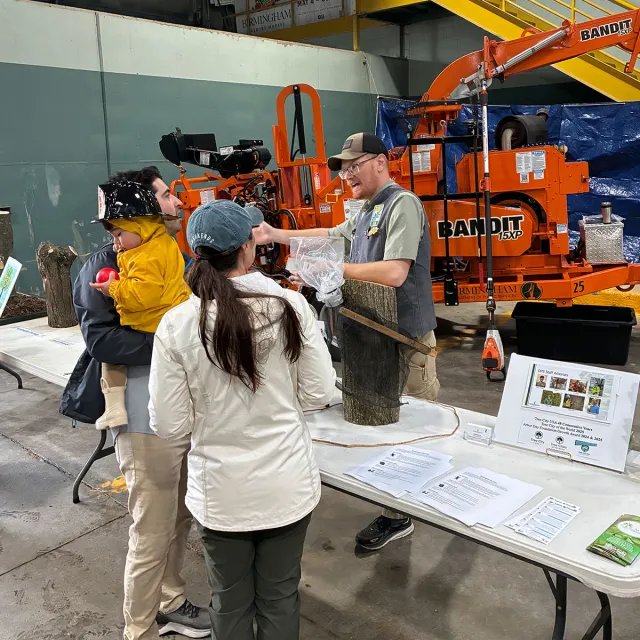
That mindset also reflects how Tree City USA has evolved over the past five decades. Earlier generations established the importance of community forestry. Today's leaders are expanding that vision to meet the needs of modern communities.
As Tree City USA begins its next 50 years, the program's future isn't defined only by the trees communities plant. It's shaped by the people who continue finding new ways for those trees to improve the places we call home.
THE FUTURE OF URBAN FORESTRY: FOUR QUESTIONS FOR THE NEXT GENERATION
What gives you the most hope about the future of urban forestry?
Brandon Wynn: Urban forestry is becoming more mainstream as greater awareness of the benefits of trees helps communities see them as essential assets. Long-term success depends on engaging and educating residents, so they become active stewards of their local urban forest. By connecting with property owners and learning the stories behind community trees, urban foresters can build lasting support for sustainable urban forests.
Michael Martini: The people. Urban forestry professionals are dedicated to improving where people work, live and play, but the residents and dedicated volunteers are stepping up to push the industry forward. Every day we get closer to having trees and forests recognized as essential infrastructure in our cities through professionals’ dedication to teaching and showing up for residents, and the residents who show up to support or programs and trees.
What's the biggest challenge communities will face in managing their urban forests over the next decade?
Brandon Wynn: Land development contributes to the decline of natural areas and is one of the biggest impacts to existing street trees. Communicating the need to preserve our mature trees, which are an important natural resource, will continue to be a challenge for urban foresters. Promoting healthy tree management to new and existing property owners will help create a sustainable urban forest. Urban foresters will also need to promote the preservation of green and natural spaces, which in turn can help communities recognize the need for all types of trees throughout a city.
Michael Martini: Redesign of streetscapes. Our urban forests are aging, and the mature trees have been taken for granted for many years now, but as these mature trees age out our urban forests do not have the capacity to replace this canopy. Limited space and competing infrastructure have limited our canopy. Redesign and rethinking streetscapes are going to be critical to grow mature canopy again.
What's one lesson future urban forestry leaders should never forget?
Brandon Wynn: Always be adaptable. The industry continues to change as the climate changes, new research is released, and community standards evolve. We’re always adapting to how communities perceive urban forestry, addressing community needs, and adjusting priorities that impact the trees we manage. We have to use our knowledge to promote the ecological and social benefits of trees, help communities better understand their urban forests, and adapt to their needs and desires.
Michael Martini: You are an ambassador to trees and the forests. What you do today will be your legacy and the forests into the future. The ripple effect of the work you accomplish today will touch generations and multitudes. What do you want that to be?
What do you hope Tree City USA looks like 50 years from now?
Brandon Wynn: Over the next 50 years, I see the Tree City USA program continuing to expand to communities throughout the United States. As urban forestry grows, communities of all sizes will look to trees to improve quality of life. I believe Arbor Day’s Tree City USA will be at the forefront of growing the urban forestry profession for municipalities of all sizes. Beginning with something as simple as planting a single tree on Arbor Day can promote urban forestry practices that benefit not only the community, but the state in which it resides.
Michael Martini: A legacy and a legend. A recognition that not only gets people inspired about planting trees and caring for them but creates a cultural movement for trees and forests. Having them as focal points of sustainable design and planning, so our cities remain green for the future to come.