The AP’s Peter Prengaman talks news and hope in Unearthing Optimism. LISTEN NOW

Brighten Your Landscape with a Rain Garden
Discover how to design a beautiful, eco-friendly rain garden that enhances your landscape while naturally capturing runoff, filtering pollutants, and supporting wildlife.
April 13, 2017
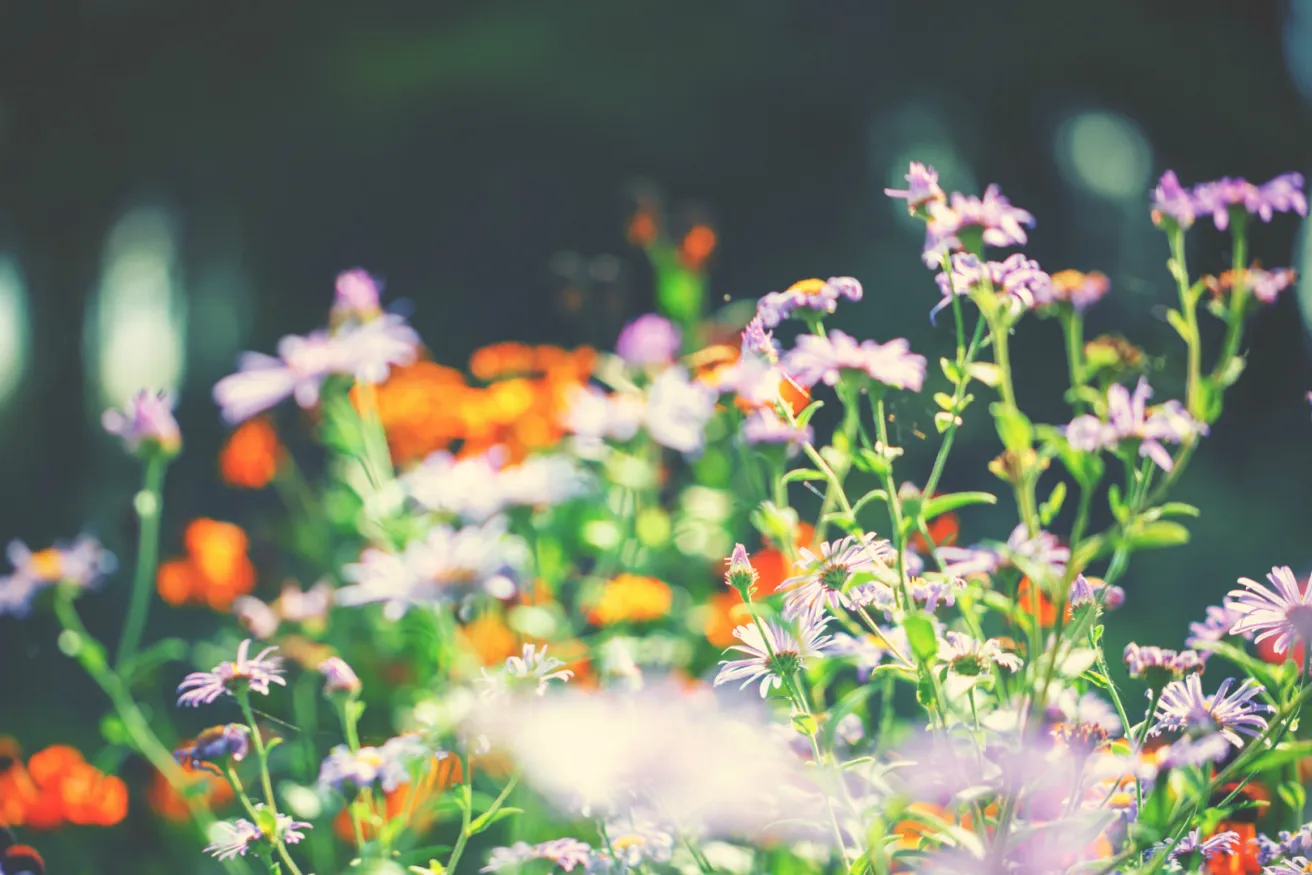
Have you considered adding a rain garden to your landscape? Spring is a wonderful time to redesign your yard.
The soil is softer to dig and the rainy weather contributes to initial watering. Rain gardens are a beautiful way to enhance your landscape both visually and sustainably.
A rain garden is a garden in a shallow depression made to naturally gather and filter rainwater —designed to temporarily collect stormwater runoff from roofs, driveways, walkways, patios, and lawns. Once the water is collected, it percolates down into the soil and is absorbed by trees, shrubs, and other plants — filtering water pollutants such as pesticides and fertilizers. Rain gardens are also a natural habitat for butterflies, birds, and insects.
Here are some tips to help you create a rain garden.
Before you start
When choosing a rain garden site, decide where the rain garden will filter stormwater from such as a downspout, driveway, or sump pump. The area should receive water regularly from its source during a rainstorm. Be sure to choose a garden site that is at least 10 feet away from building foundations and septic systems to avoid stormwater from draining into these areas.
Find your hardiness zone before selecting your trees and shrubs. Determining your hardiness zone is important to choosing species that will grow properly in your area. Select plants that will add beauty, but also have the ability to thrive in wet soils. Check out the tree wizard for tree and shrub recommendations.
Suitable shrubs for planting
There are numerous plant options to choose from when planting your rain garden.
The sweetbay magnolia is an excellent choice for a rain garden (hardiness zones 5-9). Its creamy white flowers have a light lemon scent and are visible in late spring and early summer. Vibrant scarlet seeds display in the fall, attracting a variety of songbirds.
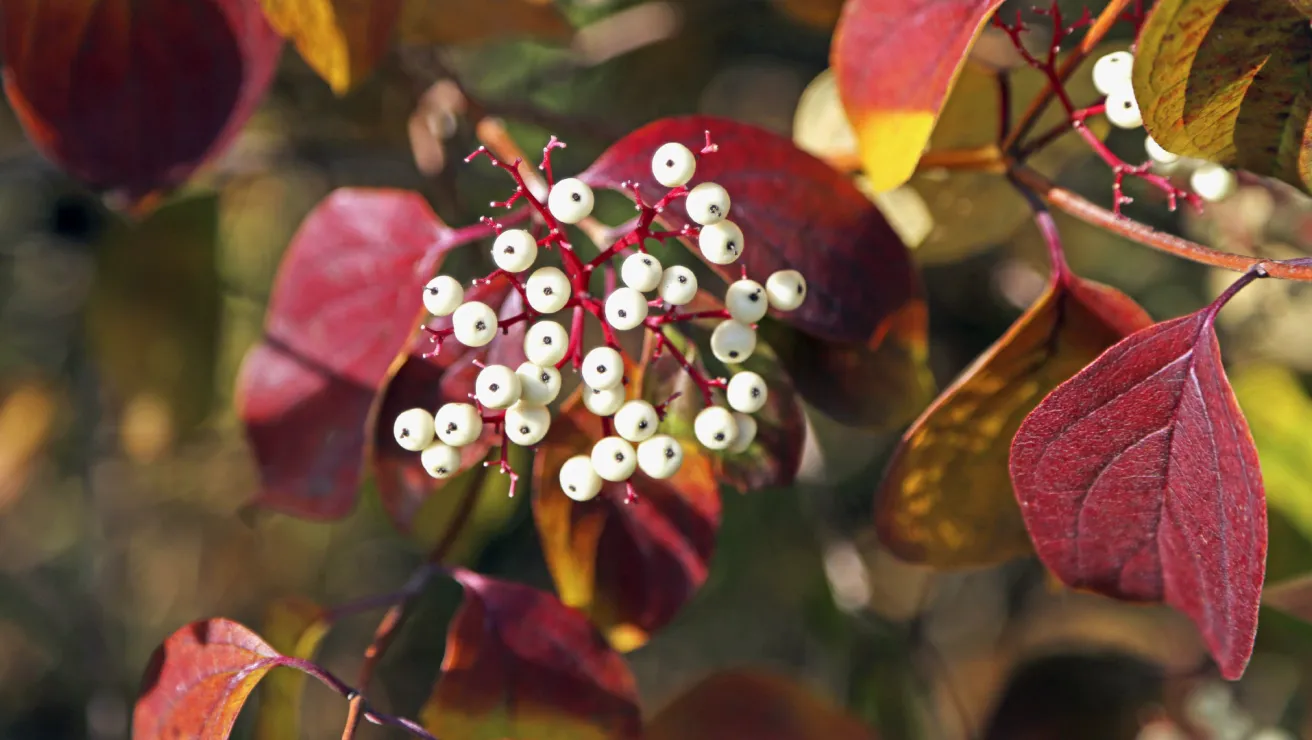
Another colorful shrub is the redosier dogwood. It grows in a wide range of soils (hardiness zones 2-7). Its fibrous root system provides effective erosion control on banks and slopes. The shrub showcases vibrant red stems that stay through the winter, adding year-round color.
A bird-friendly option is the prairifire flowering crabapple. Long-lasting spring blossoms add variety and color to its year-round beauty. Additionally, this ornamental tree is disease-resistant and able to adapt to numerous climate conditions (hardiness zones 2-7).
Planting the shrubs
Once you’ve selected shrubs for your rain garden you can start to prepare them for planting. Space shrubs out accordingly. Mulch the area with woodchips that won’t drift away and apply two to three inches of mulch. Once the site is mulched, remember to water the plants.
While your plants are absorbing excess rain water, you can relish in the splendor you just created. Designing a rain garden is a sustainable way to add appeal to your landscape and prevent stormwater runoff.