New on Unearthing Optimism: Growing resilient communities starts with trees. LISTEN NOW

7 Smart Tips for Choosing the Right Tree
Choose the right tree with confidence using these seven simple, expert-backed tips.
February 12, 2026
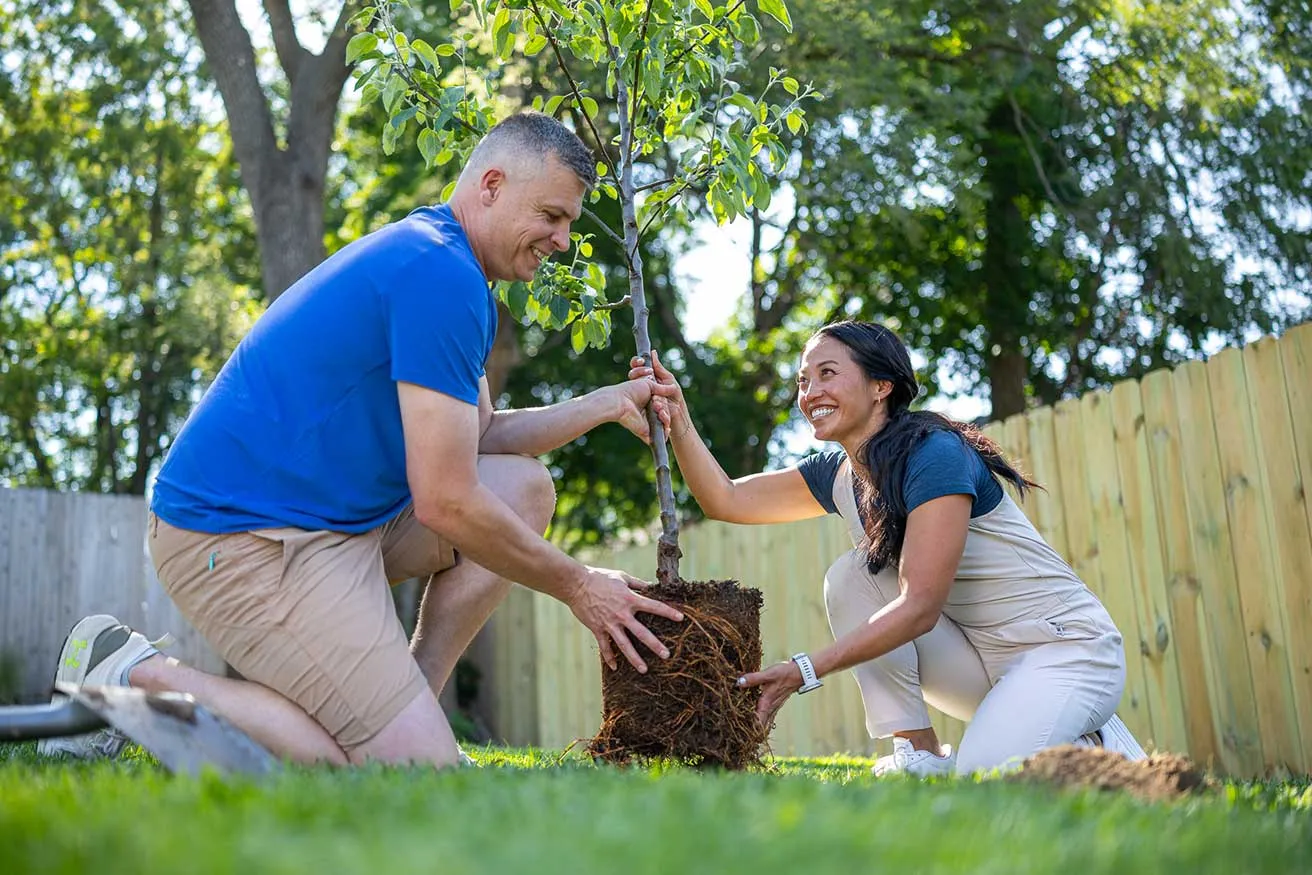
Buying a tree is one of the most meaningful ways to shape your space for the future. The right tree can provide decades of shade, beauty, and habitat — when it’s chosen with intention.
From climate and planting space to maintenance and ecosystem impact, thoughtful decisions at the start make all the difference. Use these seven tips to select a tree that will thrive for generations.
1. Start with your climate.
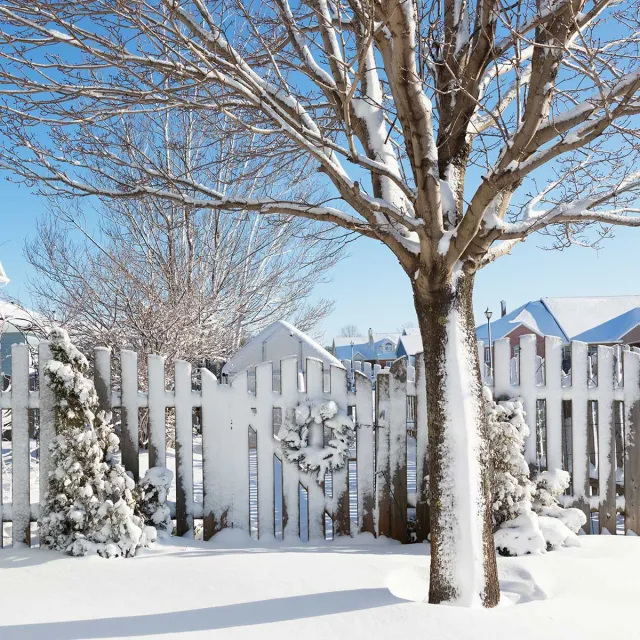
Why it matters: Not all trees can handle the same temperatures, rainfall, or weather extremes, even if they’re technically in your hardiness zone.
Tip: Look beyond USDA hardiness zones. Consider sun exposure, soil type, drainage, and heat tolerance. For example, a tree that thrive in Missouri Zone 6 — one of the most common hardiness zones in the U.S. — may struggle in the Nevada’s zone 6 regions where summer heat and drought significant stressors. Choosing a climate-appropriate tree increases survival rates and reduces long-term maintenance.
2. Plan for mature size.
Why it matters: That small sapling won’t stay small forever.
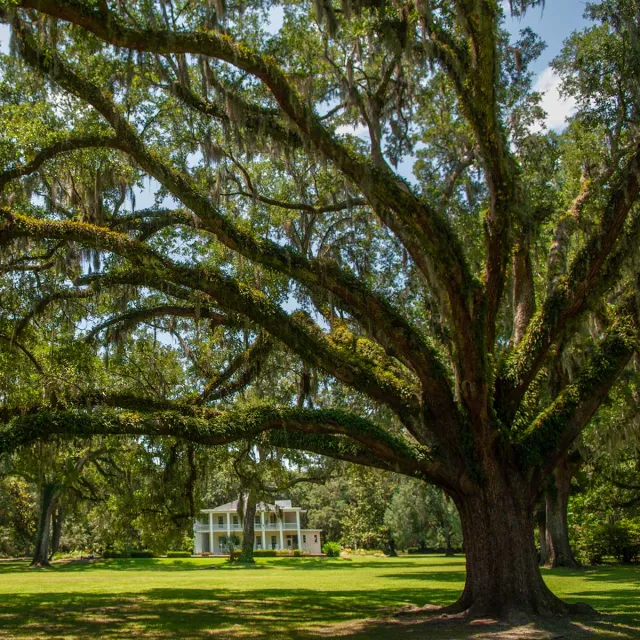
Tip: Always check a tree’s mature height and spread before planting. A giant like a sequoia needs vastly more space than a compact ornamental tree, and planting too close to buildings, sidewalks, or utilities can lead to costly problems later. Proper spacing is especially important when planting hedges or multiple trees together, allowing roots and canopies room to grow without competing.
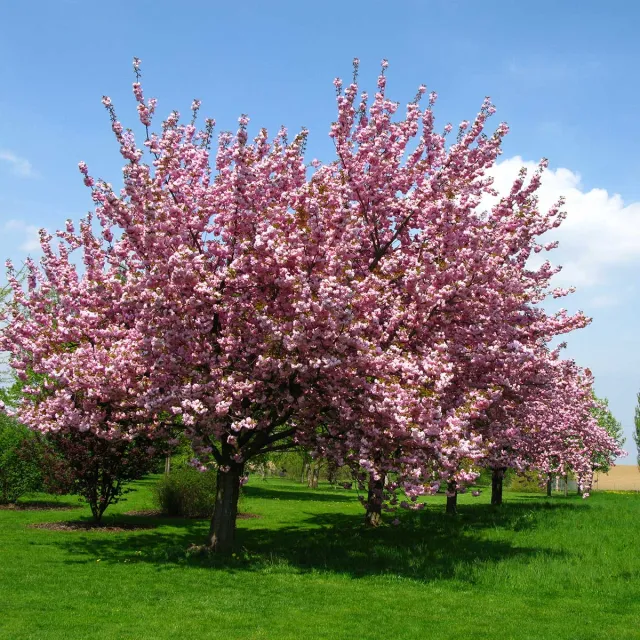
3. Define your purpose.
Why it matters: A tree should do more than look good.
Tip: Start with your goal. Are you planting for shade, privacy, food, or wildlife habitat? For example, an ornamental tree may add seasonal beauty but won’t provide the cooling benefits of a broad-canopy shade tree. Let function guide your choice, then find a tree that checks both the purpose and aesthetics boxes.
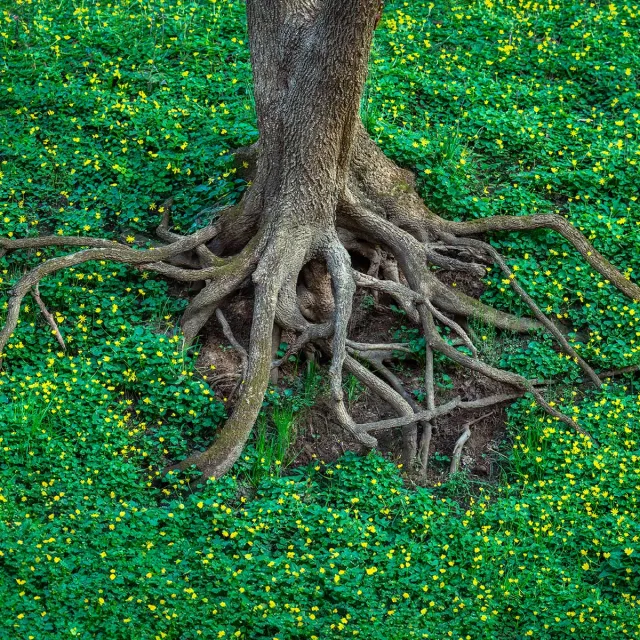
4. Think below ground.
Why it matters: Root health determines long-term success. What’s happening underground is just as important as what you see above it.
Tip: All trees have roots that need room to grow. Plant trees away from sidewalks, foundations, and septic systems. It’s also critical to watch for issues like girdling roots, which can slowly strangle a tree as it grows. Understanding root behavior before planting helps prevent long-term health problems and infrastructure damage.
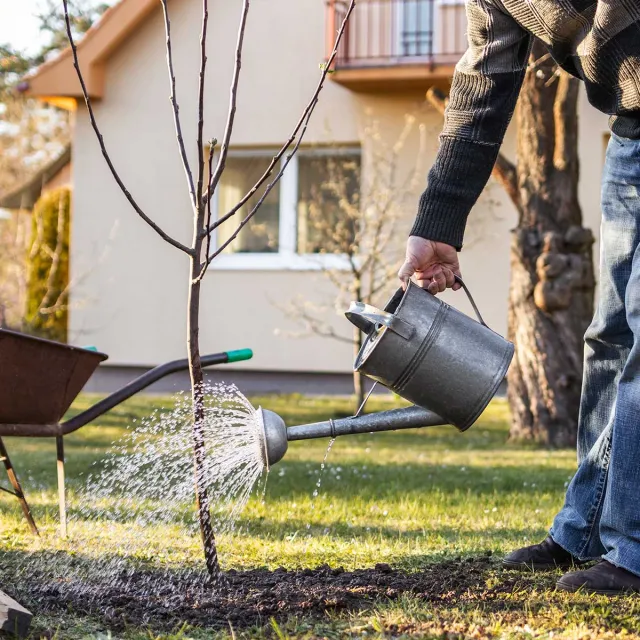
5. Match care to your lifestyle.
Why it matters: All trees require some level of care and not every tree fits every lifestyle.
Tip: Some species require regular pruning or watering, while others are more hands-off. Pick a tree that fits your lifestyle and comfort level, whether that’s low-maintenance or you love a weekend pruning project.
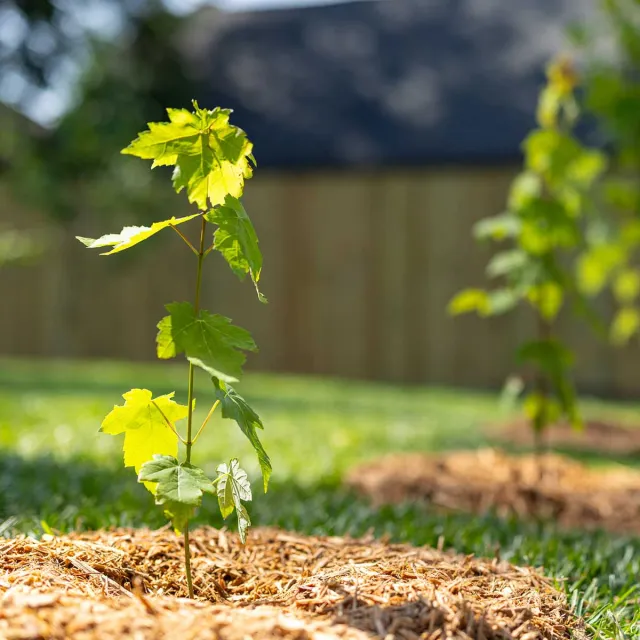
6. Shop with intention.
Why it matters: Impulse buys can lead to mismatched trees and missed opportunities.
Tip: Nurseries offer a wide variety of tree species, but availability changes throughout the year. Instead of settling for what’s on display, research the right tree for your location first, then shop with intention. Planning ahead helps ensure you’re choosing a tree that fits your space, climate, and goals — not just what happens to be in stock.
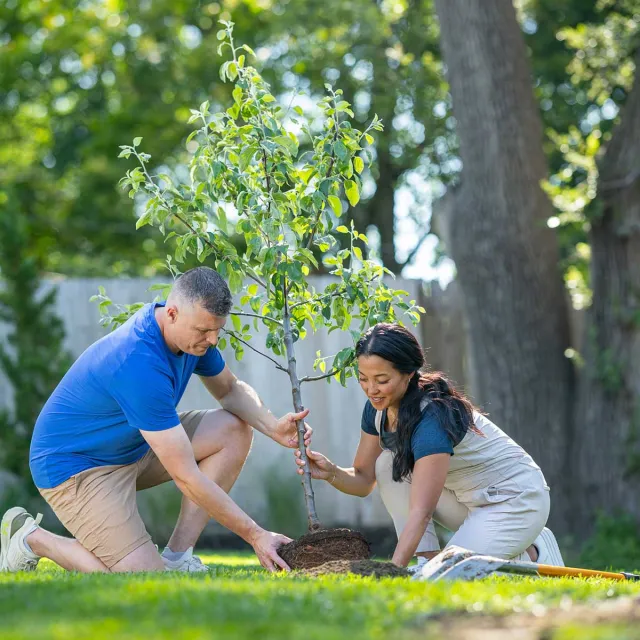
7. Support your local ecosystem.
Why it matters: The right tree can do more than beautify your yard, it can actually help strengthen your local environment.
Tip: Consider working with a local nursery or using state forestry resources to help you select trees and shrubs that support pollinators, provide habitat for wildlife, and are adapted to the local climate. Trees adapted to the local environment deliver greater ecological benefits and greater benefits to you.
Tools like the Arbor Day Foundation’s Tree Finder can also help match you with species that support both your landscape and your local ecosystem.
Choosing the right tree sets the foundation for decades of impact — for your yard, your community, and the environment. Plant the right tree in the right place, and you’re investing in cooler neighborhoods, cleaner air, and healthier ecosystems.