New on Unearthing Optimism: Growing resilient communities starts with trees. LISTEN NOW

The Butternut Tree
Learn about the butternut tree (Juglans cinerea), a native North American species valued for its rich nuts, wildlife benefits, and adaptability to a variety of landscapes.
November 3, 2015
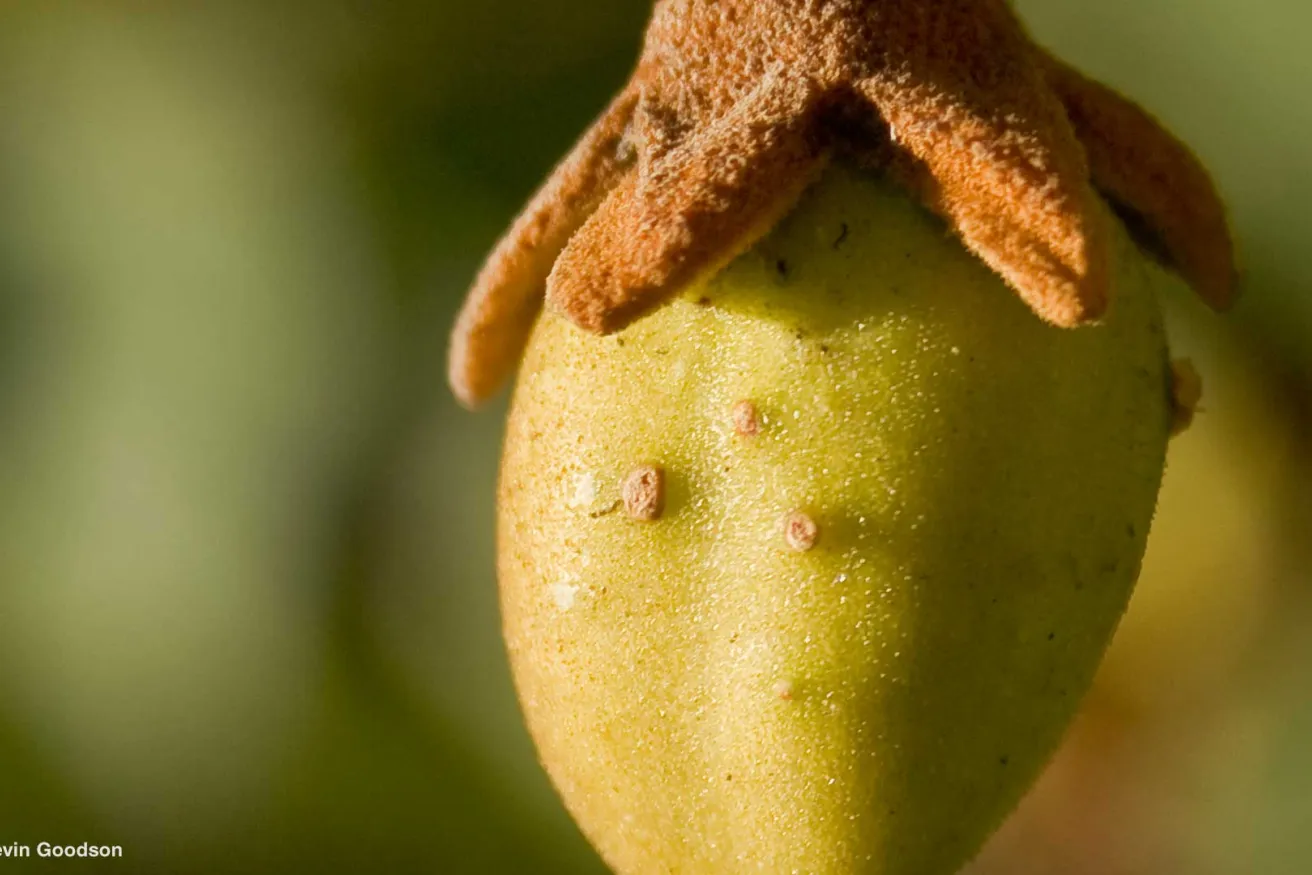
A cousin to the black walnut, and sometimes called the white walnut, the butternut tree is a North American native, especially popular in the eastern United States.
Butternuts, as the name implies, is popular in baking for their oily, buttery flavor. This sweet nut is also enjoyed by deer, squirrels and birds.
Here are a few things to note if you’re considering adding a butternut tree to your yard.
Environmental Conditions
- Butternut trees grow well in acidic, alkaline, clay, loamy, moist, rich, sandy, salty and well drained soils (hardiness zones 3-7).
- Slow growing tree, growing up to one foot a year and reaching 40-60 feet at maturity.
- Does best in full sun.
Physical Attributes
- Produces a rich butternut used in baking, confections and fresh eating.
- Has a rounded canopy shape, making it ideal as a shade tree.
- Note: nut production will occur in 7-10 years; it is self-fertile, but plant two trees for best results.
Do you have a butternut tree in your yard? Tag us in a photo, we’d love to see it!