The AP’s Peter Prengaman talks news and hope in Unearthing Optimism. LISTEN NOW

Beyond Shade: Understanding The Measurable Impact of Trees
The Arbor Day Foundation’s robust reporting tools can help companies track their impact on extreme heat — and so much more.
June 29, 2026
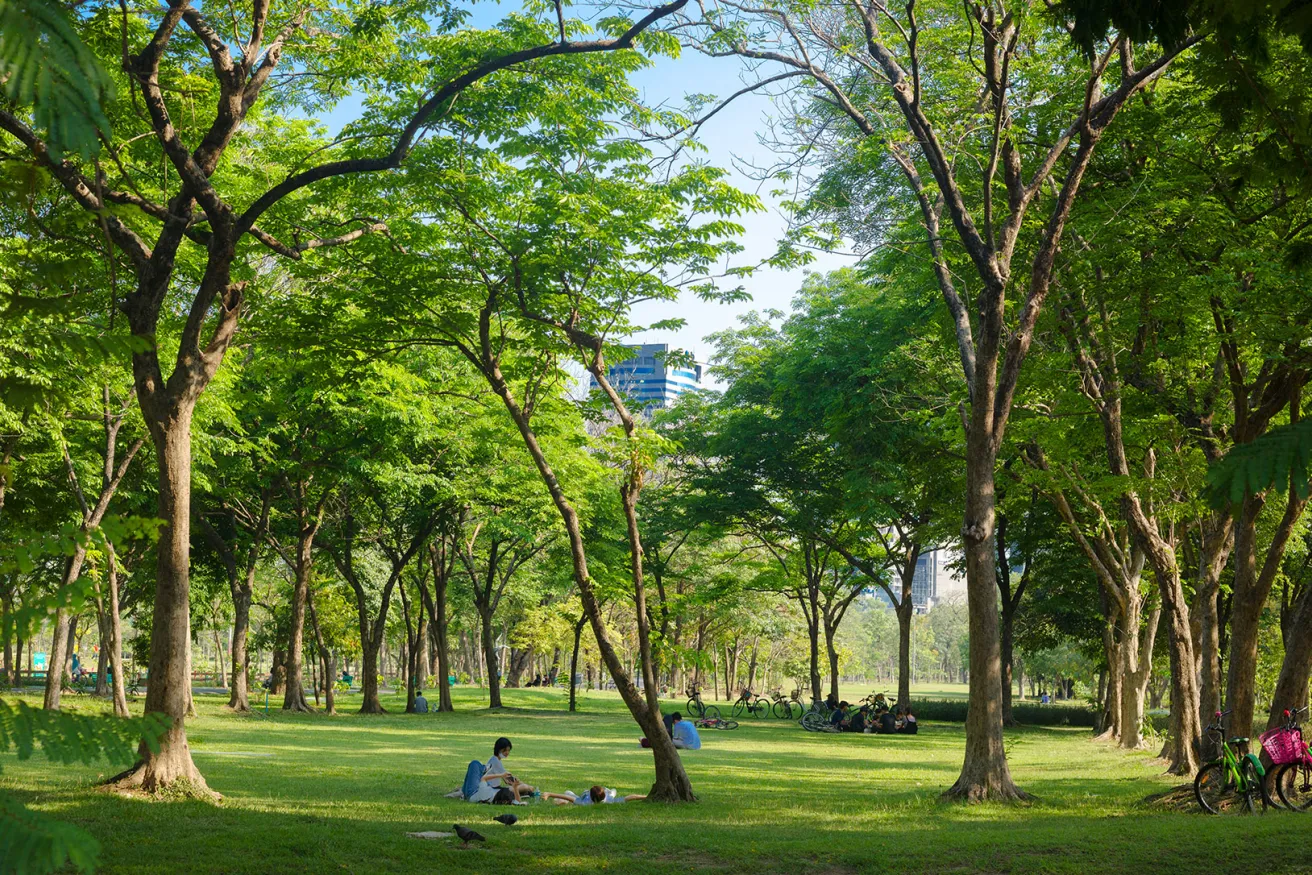
Often referred to as “nature’s air conditioning,” trees are widely understood as a cooling solution in the face of extreme heat.
Trees’ canopies can lower air temperatures by up to 10 degrees Fahrenheit and reduce surface temperatures even more. Researchers have found that the world’s hottest areas would be approximately twice as hot without their current city greenspace.
Trees are a critical tool in an increasingly warmer world. But their importance goes beyond providing shade.
Trees have the power to create layers of benefits in both forests and communities, making them a flexible asset for corporate sustainability strategies — if employed in the right way. Maximizing the impact of a tree planting project requires reach, expertise, and rich datasets that inform where trees can do the most good. For more than 50 years, the Arbor Day Foundation has built an unparalleled network of trusted planting partners that enables us to plant trees in cities and forests around the world. We’ve matched those relationships with sophisticated tools and technology that can help guide the design of a planting project and track the project’s measurable outcomes.
Most importantly, we don’t keep any of it to ourselves.
We believe that giving corporations the opportunity to walk alongside us, enabling them with data-driven insights, can inspire them to embrace their role as environmental stewards and meaningfully engage in shaping a better future for our planet.
That’s why Arbor Day Foundation corporate partners get access to our hub of tree planting insights, Impact Dashboard.
A look inside Impact Dashboard
The Impact Dashboard is an interactive online platform, exclusively available to corporate partners of the Arbor Day Foundation. Partners are given a unique login that gives them full access to information related to their suite of projects. When opened, users can immediately see how many total projects their company supports, number of trees planted, environmental benefits, people impacted, and acres restored. This information can also be viewed by the individual project.
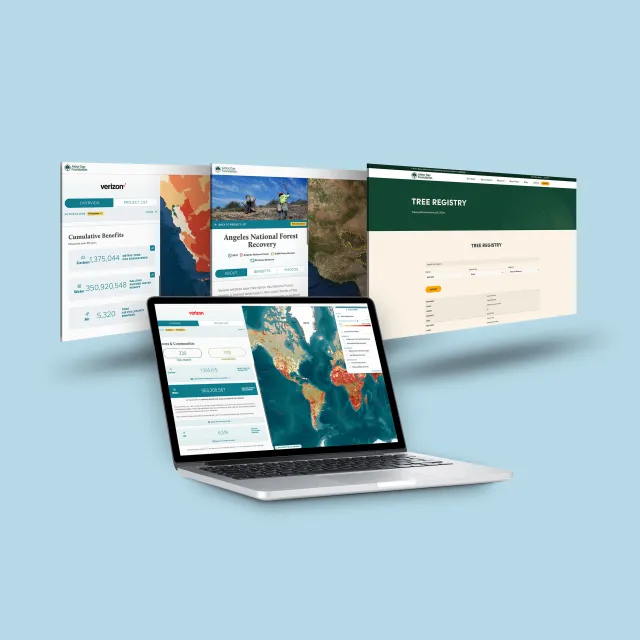
The Impact Dashboard also provides written narratives on the benefits of the trees in the project and photos from the ground. This additional viewpoint empowers companies to articulate their work in easy-to-understand terms for a range of audiences using both data and storytelling.
And it doesn’t stop there. The Arbor Day Foundation’s Impact Dashboard goes further. Not just how many trees were planted, but what those trees did. Not just where they were planted, but why. The Impact Dashboard and its features help companies dig deep into both their historical and potential impact.
It's layered
In the Impact Dashboard, users can see their projects mapped on satellite imagery and toggle through data layers related to a region’s climate, community, biodiversity, and reforestation potential. All layers are derived from high-quality, verifiable data and information sources are viewable.
These detailed insights can be used across a range of reporting needs, from sustainability reports and compliance materials to consumer marketing and internal newsletters.
Climate
Climate
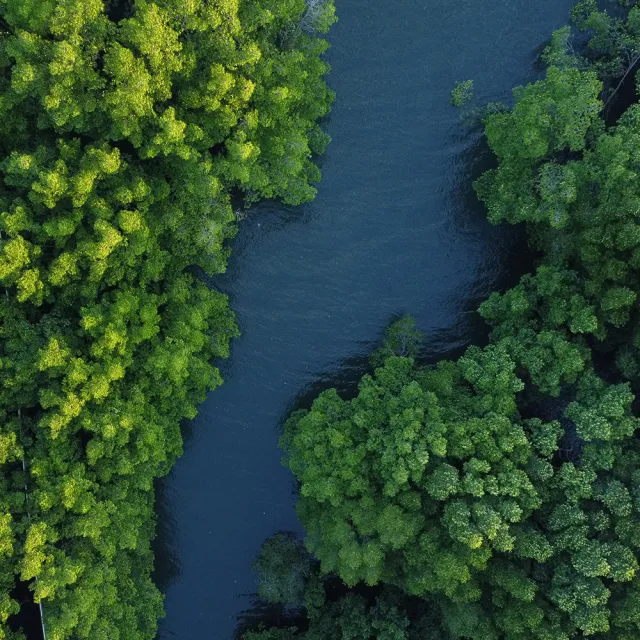
Trees can help clean water, clean the air, and sequester carbon. The Global Water Risk layer helps assess the current state of water risk around the world. The Carbon from Forests layer illustrates the amount of carbon estimated to be stored in living vegetation across land cover. The Air Quality layer uses data from NASA satellite sensors to identify annual measurements of fine particulate matter and its impact on air quality. Using these layers helps inform decisions on how and where to plant trees to benefit the planet.
Community
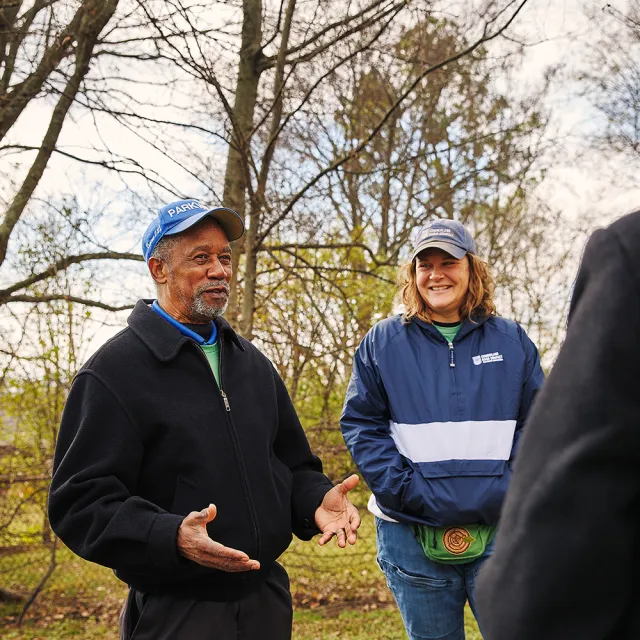
We work with local planting organizations around the world because they know their communities best, but the NatureQuant Nature Priority Index also gives us insight into the need for trees in U.S. communities. It factors in socioeconomic data that helps us understand if an area is deprived of nature. The Urban Heat Index layer is similar, identifying neighborhoods most exposed to excessive heat and, therefore, most in need of trees. Companies can also use the Indigenous and Community Lands layer to pinpoint tribal lands — areas historically deprived of green resources.

Biodiversity
If wildlife is a priority, companies can utilize the Biodiversity Intactness Index layer to understand how humans have changed an ecosystem and its biodiversity. Additionally, the Key Biodiversity Areas layer identifies the most important places in the world for protecting and nurturing animals and their habitats. Companies focused on creating a legacy of impact for wildlife can use these layers to guide their work toward the most crucial regions.
Reforestation
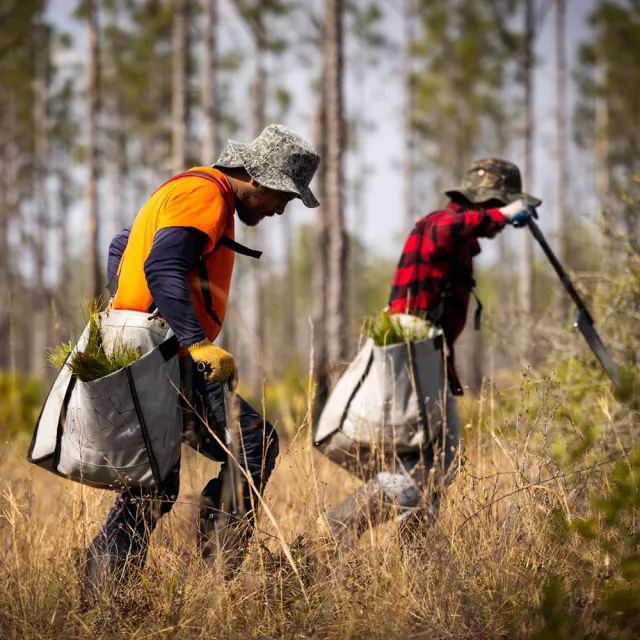
The Arbor Day Foundation’s Forest Priority Index compiles information on how reforestation in a particular region will impact climate, ecosystems, Indigenous and community lands, and wildlife. Companies motivated to work in areas that have lost significant amounts of trees can use the Deforestation By Driver layer to identify tree cover loss from factors like commodity-driven deforestation, shifting agriculture, forestry, wildfire, and urbanization.
Trees as a multi-faceted strategy
These intricate map layers can provide companies with the information they need to make sure their investment in trees goes beyond shade. Trees are flexible, and that flexibility can make them a key part of a multi-faceted sustainability strategy that is designed to address both excessive heat and the holistic wellness of forests and communities.
The Impact Dashboard and its robust reporting features are always accessible. A collection of insights that companies can grow on, year over year, as they grow their legacy through trees.
Let’s get to work
Meet this moment with trees and action
Seventy-one percent of U.S. adults are more loyal to companies that take an active role in protecting the environment. Talk with us to get planting.