New on Unearthing Optimism: Growing resilient communities starts with trees. LISTEN NOW

Project
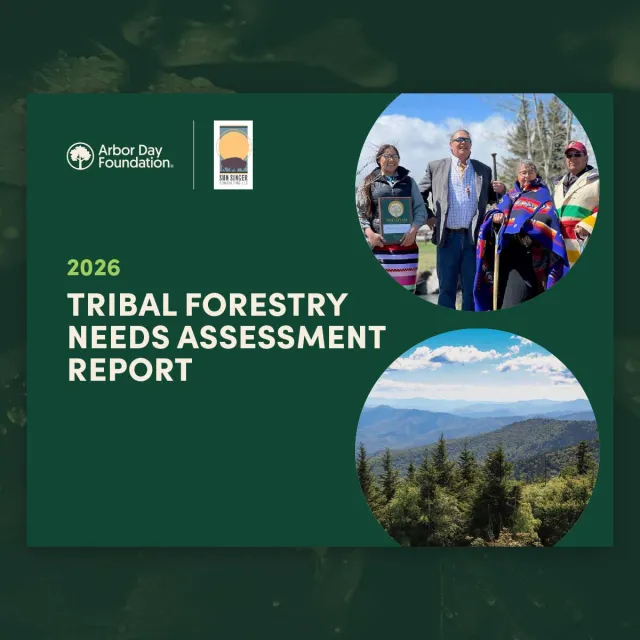
Tribal Forestry Needs Assessment
Indigenous groups are leading innovative forestry and food sovereignty work central to culture, health, and climate resilience, yet systemic barriers limit long-term sustainability. This report provides a framework for understanding needs based on direct outreach to Tribal networks.
ABOUT THE ASSESSMENT
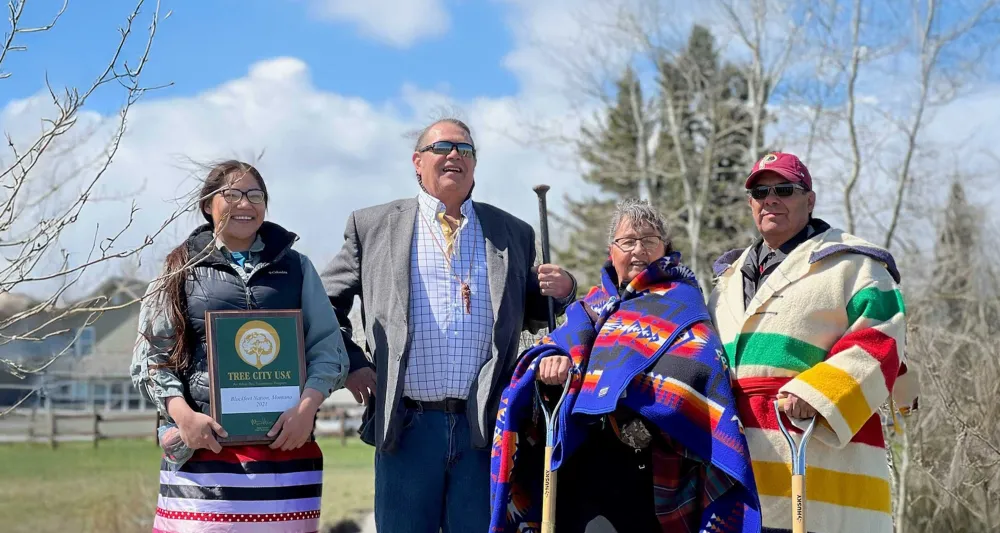
Based on insights from 60 Tribal leaders and professionals across 22 states, this national assessment explores the essential question, “How might we support Tribal communities using trees as a solution for food sovereignty and cultural preservation?” to help identify critical opportunities for the future.
REPORT HIGHLIGHTS
Themes from this 2026 report include:
Food Sovereignty
Food Sovereignty
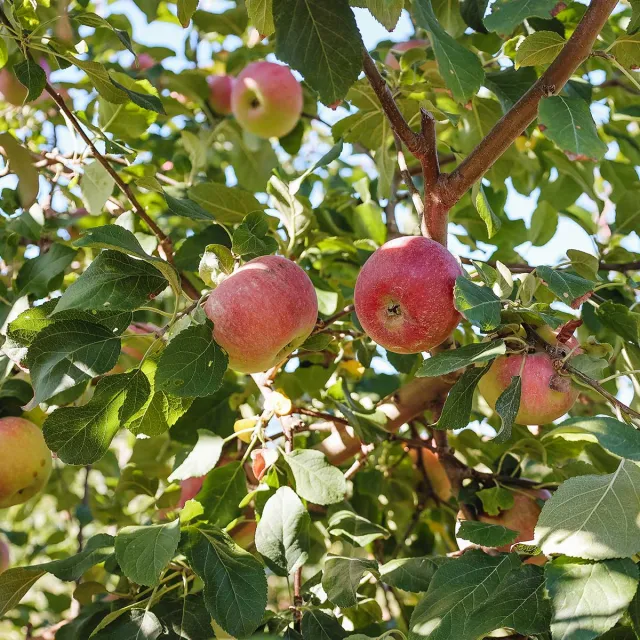
Tribal Nations already lead robust forestry, food sovereignty, and culturally grounded land stewardship programs rooted in community priorities. These efforts demonstrate strong existing leadership and infrastructure, but their ability to scale is constrained more by capacity gaps than by vision or readiness.
- 82% of respondents reported having existing partnerships in forestry, food sovereignty, or climate resilience.
- 53% of Tribes currently manage programs that use trees for food, cultural, or medicinal purposes.
CAPACITY CONSTRAINTS
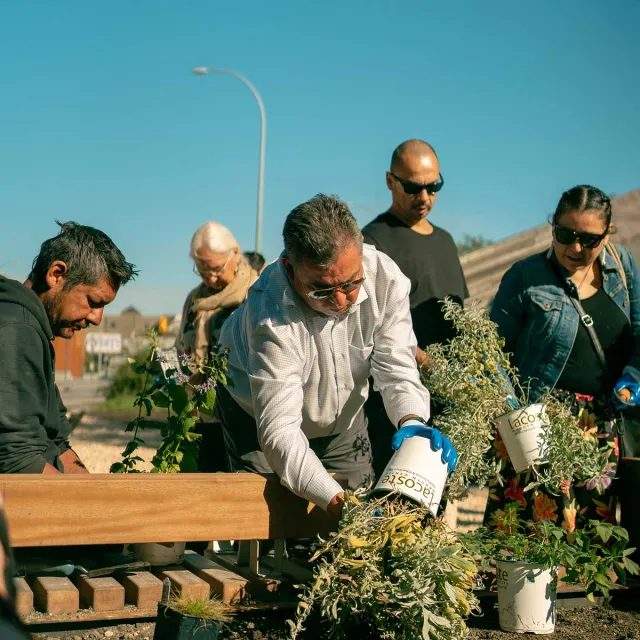
Funding and workforce capacity as the most significant constraints limiting Tribal Nations’ ability to sustain and scale forestry and food sovereignty programs. While many Tribes have the vision, land, and partnerships to lead this work, chronic underfunding and understaffing prevent existing programs from reaching their full potential.
- 55% of respondents cited lack of funding as a primary barrier to tree planting, and 42% reported insufficient staff to manage and expand programs.
- 65% of Tribes said they need workforce training or access to additional staff, indicating that labor and skills gaps are as limiting as dollars alone.
FEDERAL PARTNERSHIPS
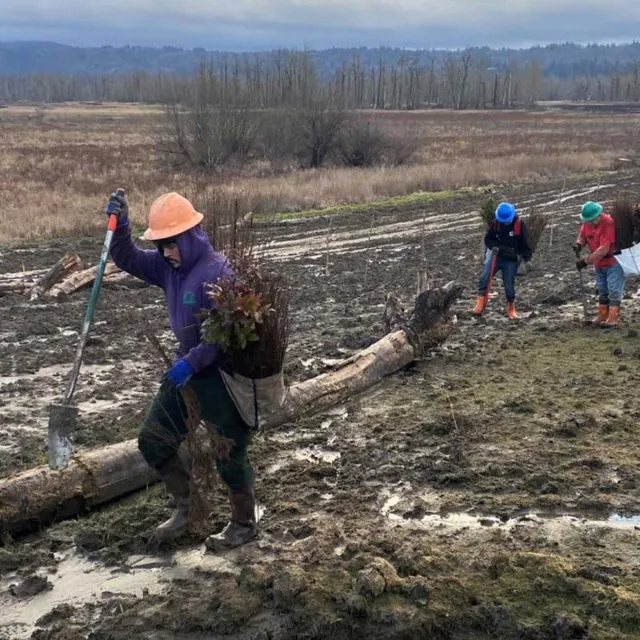
While Tribal Nations have built strong partnerships to support forestry and food sovereignty work, the heavy reliance on federal partners creates significant vulnerability to forces outside Tribal control. Disruptions to funding can stall or reverse progress, even where Tribal leadership and capacity already exist.
- 80% of respondents reported relying on Federal agencies for funding, technical assistance and networking.
- The report explicitly notes that reliance on federal partners leaves Tribal programs vulnerable to federal shutdowns, staffing reductions, and policy shifts.
Youth Development
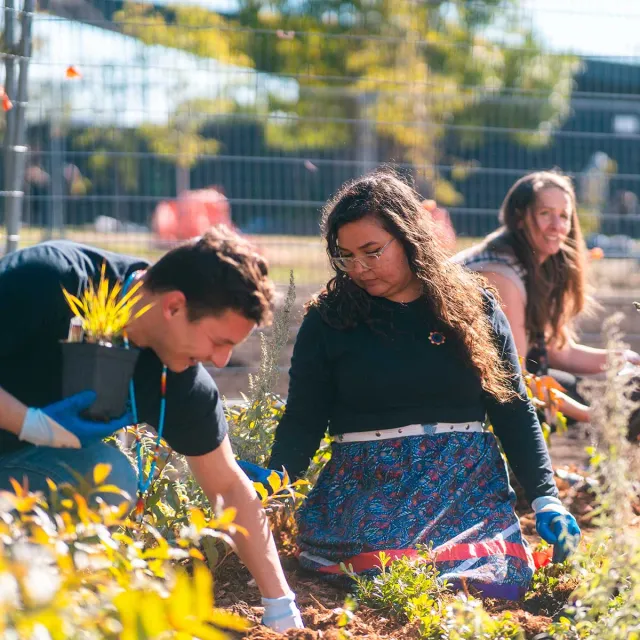
Youth workforce development is one of the highest‑leverage opportunities to strengthen Tribal forestry, food sovereignty, and climate resilience efforts over the long term. While many Tribes have existing programs and staff, limited youth engagement threatens intergenerational knowledge transfer and future workforce capacity.
- 37% of respondents reported having no dedicated youth programs in forestry, food sovereignty, or climate resilience, signaling a major gap and opportunity for growth.
- Only 18% have youth food sovereignty programs, 17% have youth forestry programs, and 12% have youth climate resilience programs—despite widespread interest in expanding these pathways.
ACKNOWLEDGEMENTS
Research and funding provided by:
Research and funding provided by:


Special thanks to our collaborators with:



2026 Tribal Forestry Needs Assessment
DOWNLOAD THE ASSESSSMENT
Download the 2026 Tribal Forestry Needs Assessment now to explore national findings, Tribal priorities, and actionable insights to support forestry programs, food systems, workforce development, and sovereignty‑honoring partnerships.
QUESTIONS?
For questions about this report or Tribal relations, please contact Falon McAlpin at [email protected]