Get 10 free trees with your membership contribution. GET STARTED

Designing a Landscape with Trees
The best landscapes don’t happen by accident. Learn how to choose the right trees for your yard and combine them in ways that add beauty, function, and long-term value to your outdoor space.
July 30, 2018
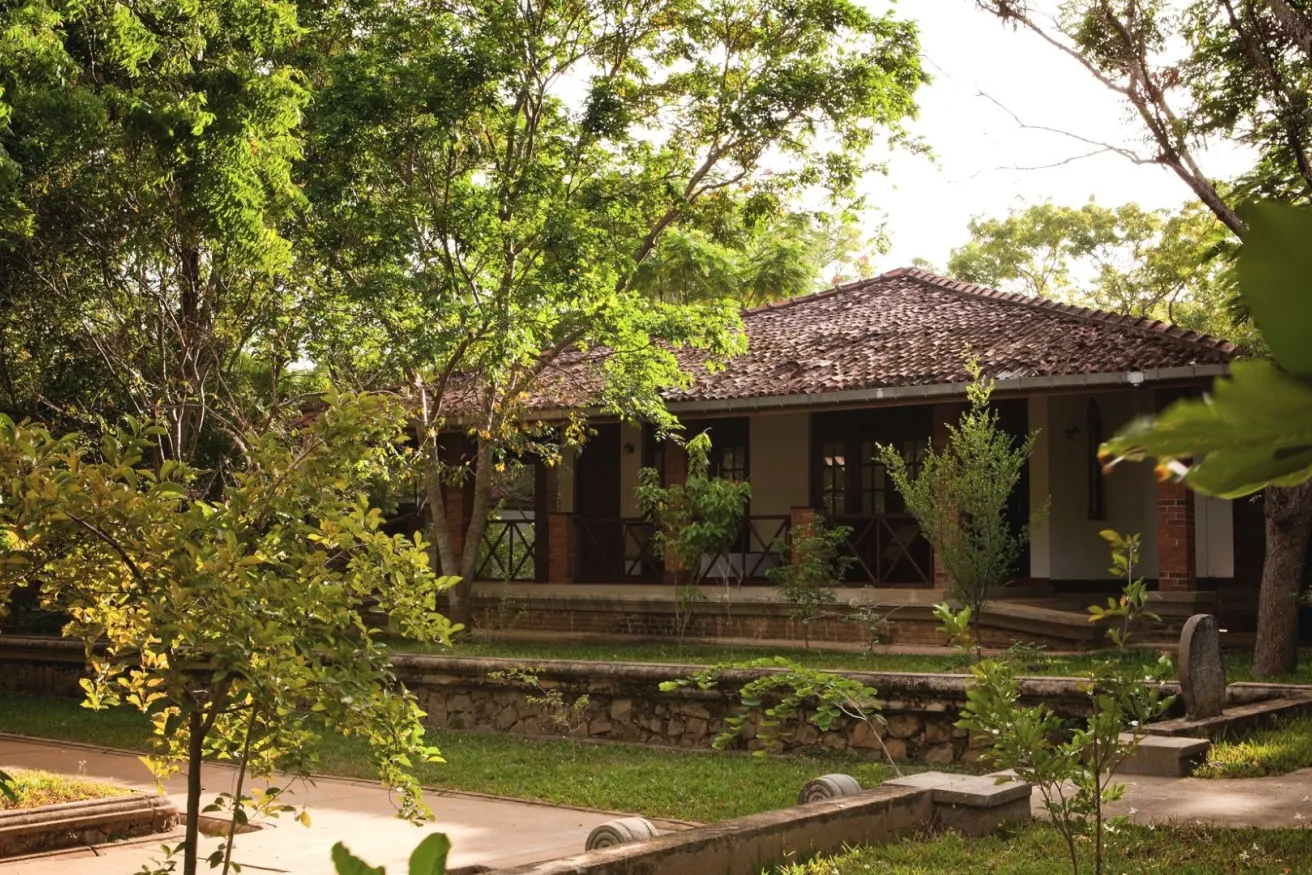
Plants are some of the easiest (and most sustainable) ways to make a landscape more vibrant and welcoming.
Planting the right tree for the right place helps ensure that your tree will live a healthy life for years to come. The most successful designs are those that are planned and take climate and environmental factors into consideration.
This guide will help you get started on creating a healthy and functional yard using trees and shrubs.

Plan Before you Plant
What do you want? Before you can narrow down your tree selection determine why you are planting a tree. Here are some of the most common reasons trees are planted in the home landscape.
Shade
Do you want to add shade to your yard? Pick a tree with a broad canopy that will cast a big shadow.
Beauty
If you want to enhance your curb appeal, consider planting something with vibrant color or unique texture. Ornamental and flowering trees are a great start.
Food
There is great satisfaction in harvesting your own fruits, nuts, or citrus trees. And you don’t have to wait 10 years to reap the benefits. Many fruit trees are available in dwarf varieties and can bear fruit in as little as 3-5 years.
Privacy
Trees work well as a privacy screen and soften harsh landscapes. They also last longer and are more affordable then installing a traditional fence. With so many fast-growing privacy tree options, it’s hard not to add more green to your yard.
Habitat
Wildlife are a sure way to bring life to any landscape. Whether its birds, deer, squirrels, or rabbits, there is a tree for every critter.
Once you know why you are planting a tree, you can start browsing trees from that category that will help you accomplish what you want.
Selecting your Trees
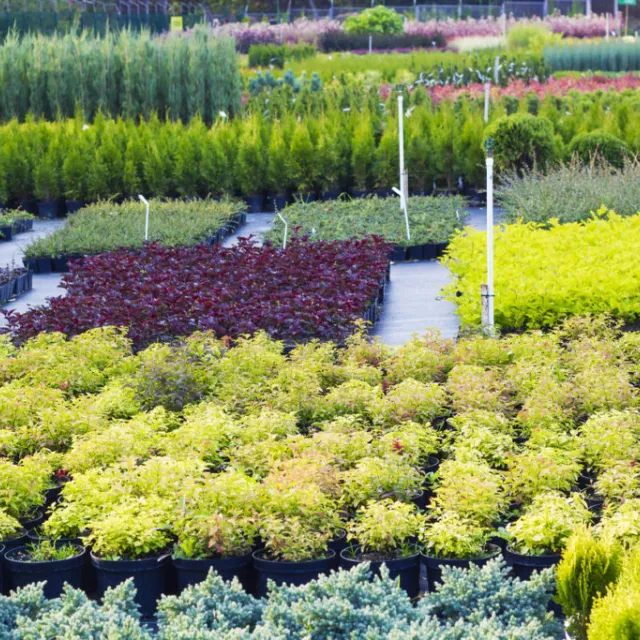
There are numerous factors to consider when picking the right tree for the right place. Not only do you need to select a tree that is compatible in your hardiness zone, but you must keep in mind other factors that will affect your tree’s health.
Sun exposure
How much or how little sun your tree requires will help determine which side of your house to plant on, or which tree is suitable for your designated planting site. Ignoring sun exposure can result in a tree that wilts out from leaf scorch or a tree that dies from not being able to photosynthesize.
Location
As the saying goes, “look up, look down, look all around.” How big will your tree get at maturity? How far will the roots spread? Select a space that is appropriate for the size of your tree when it reaches maturity. And remember, not to plant too close to houses, utility lines, driveways, and other structures that can be damaged.
Pro Tip: If you’re not sure how far to plant from structures, a safe rule is to divide the mature spread of the tree in half and plant it that distance away from your home. If your tree will reach 40 feet high, then plant it approximately 20 feet away from your house. Always err on the side of caution.
Moisture
Another key factor to consider at your planting site is the amount of moisture your tree will get. Make sure to plant in a space that has adequate drainage and will receive enough moisture when watered.
Designing your Landscape
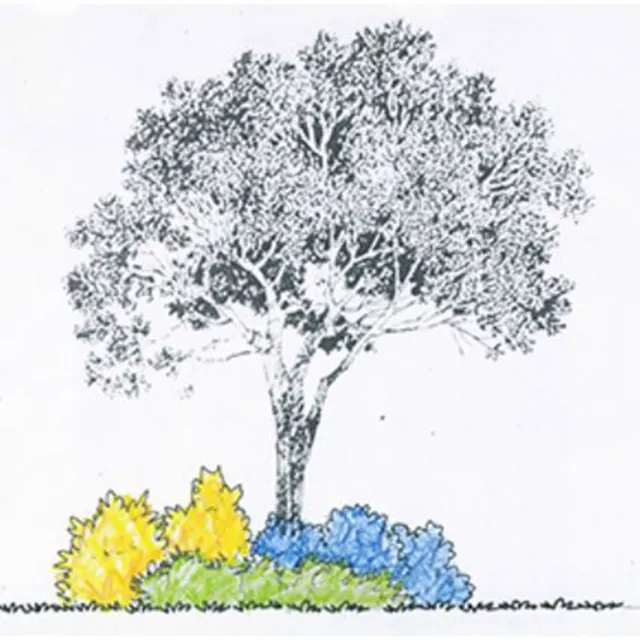
Once you’ve selected the appropriate planting site and tree(s), it’s time to design your landscape. Trees and shrubs pair well together to add texture and dimension to your landscape. Diversity is key when it comes to planting. Opt for a variety of species and inter-plant them to reduce the chance of pests and disease. Native species tend to do better in terms of life longevity and health. Plant diversity is healthier for your trees, but it also creates stunning designs.
As you’re designing your landscape, think about the color and form the trees and shrubs will grow into. Don’t be afraid to mix evergreens with deciduous trees and shrubs.
Check out these landscape design plans developed by professional landscape architects. These do it yourself plans are easy to use and will enhance the look of your home, backyard, driveway, or garden.
Pro Tips
- Mulch your trees after they are planted. Not only will it make your tree stand out, but mulch is important to retaining moisture in the soil and preventing the spread of disease.
- Incorporate (existing) mature trees and (new) young trees into your design.
- Plant species that are compatible with one another including shade-loving species that will thrive under the shade of a tree.
There are so many benefits to landscaping with trees. In addition to creating a striking landscape, your trees will increase your property value, lower home cooling and heating costs, remove pollutants from the air, cut stormwater runoff, and help lower stress. Planting a tree is a small act with a big impact.
Learn more about the benefits of trees.