A worthy specimen for larger lawns, estates, or parks. A medium to large size oak with 4"-6 1/2" glistening dark green leaves in summer turning yellow-orange to orangish-brown in fall. Produces 1" sweet acorns that mature in a single season. The acorns are at the top of the food preference list for many wildlife species. The bark is an ashy light gray that breaks into narrow, thin flakes. As this species matures, it becomes a magnificent specimen and a conversation piece. Grows 40'-50' high with a similar spread under landscaping conditions, becoming 70'-80' high in the wild. Does best in well-drained soil and adapts to many different soil types. Grow in full sun.


Attributes:
The Chinkapin Oak is adaptable to many soil conditions and handles alkalinity very well. As it matures it becomes a magnificent specimen and a conversation piece.
Description:
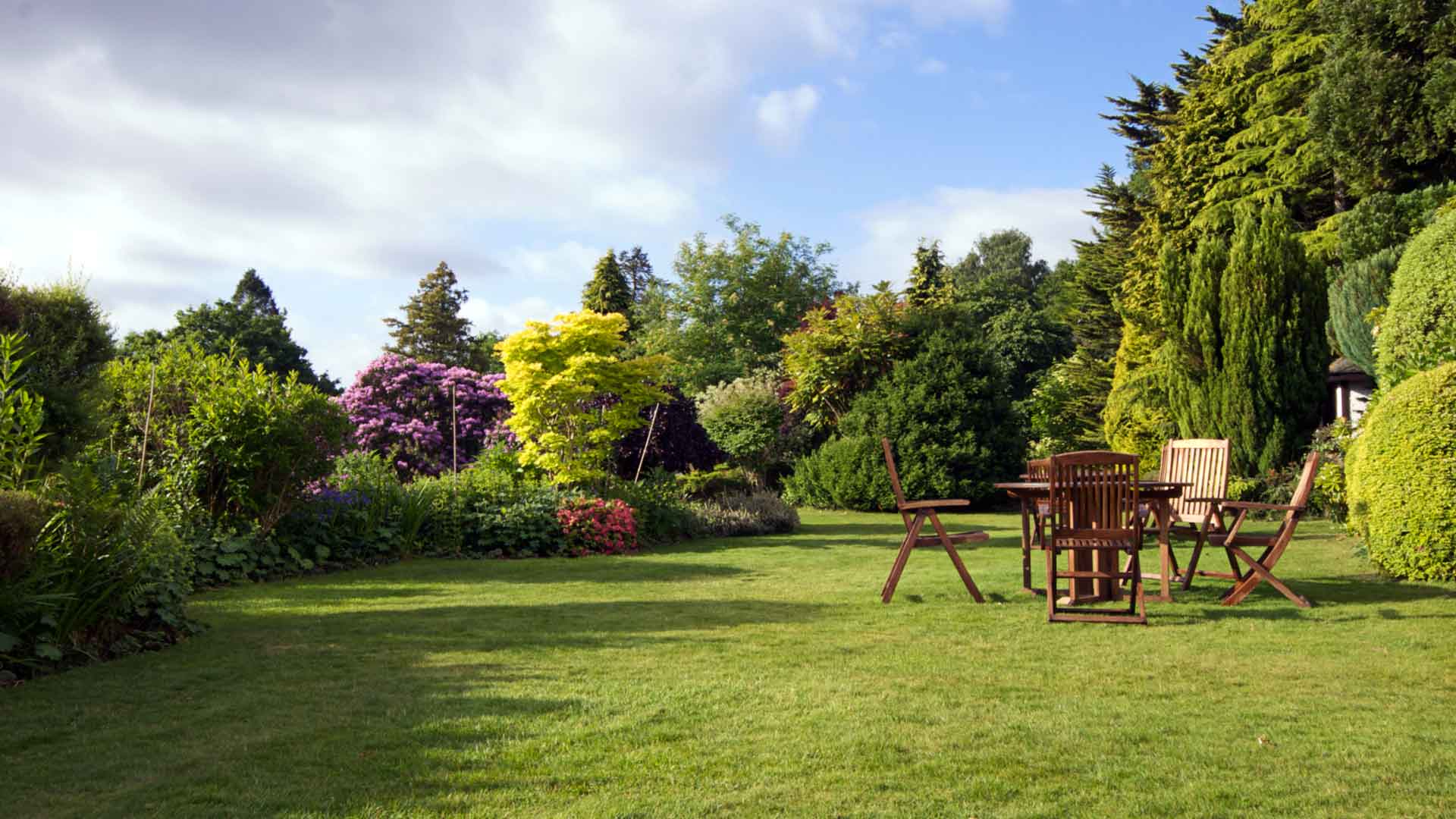
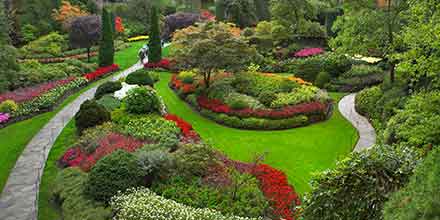
A worthy specimen for larger lawns, estates, or parks. A medium to large size oak with 4"-6 1/2" glistening dark green leaves in summer turning yellow-orange to orangish-brown in fall. Produces 1" sweet acorns that mature in a single season. The acorns are at the top of the food preference list for many wildlife species. The bark is an ashy light gray that breaks into narrow, thin flakes. As this species matures, it becomes a magnificent specimen and a conversation piece. Grows 40'-50' high with a similar spread under landscaping conditions, becoming 70'-80' high in the wild. Does best in well-drained soil and adapts to many different soil types. Grow in full sun.
Wildlife Value:
Chinkapin oak acorns are at the top of the food preference list for wild turkeys, grouse, whitetail deer, black bears, chipmunks, squirrels, and hogs. Cattle will eat the leaves.
History/Lore/Use:
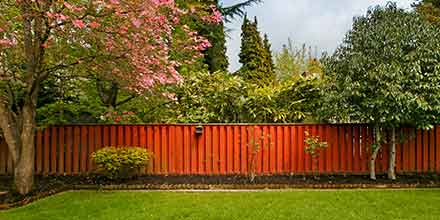
The Chinkapin Oak is sometimes called yellow chestnut oak, rock oak, or yellow oak. Early pioneers used its straight wood to make thousands of miles of fences in the states of Ohio, Kentucky and Indiana. Later on the trees were used to fuel the steamships that ran from Pittsburgh to New Orleans. It was also used as railroad ties for the new railroads that crisscrossed the Midwest.
Moisture:
The Chinkapin Oak tolerates wet sites, but does best in well-drained areas that do not experience severe drought.
Leaves:
The leaves of the Chinkapin Oak are yellow-green in summer, and yellow-orange brown to brown in fall.
Flower Color:
The blooms are insignificant and brown in color.
Bloom Time:
The Chinkapin oak blooms in May and early June..
Fruit Description:
The Chinkapin Oak produces one-inch round acorns.