Get 10 free trees with your membership contribution. GET STARTED

These Animals Are Disappearing from North American Forests
Forest loss is pushing iconic North American wildlife toward extinction, underscoring the urgent need to protect and restore their habitats.
June 19, 2018
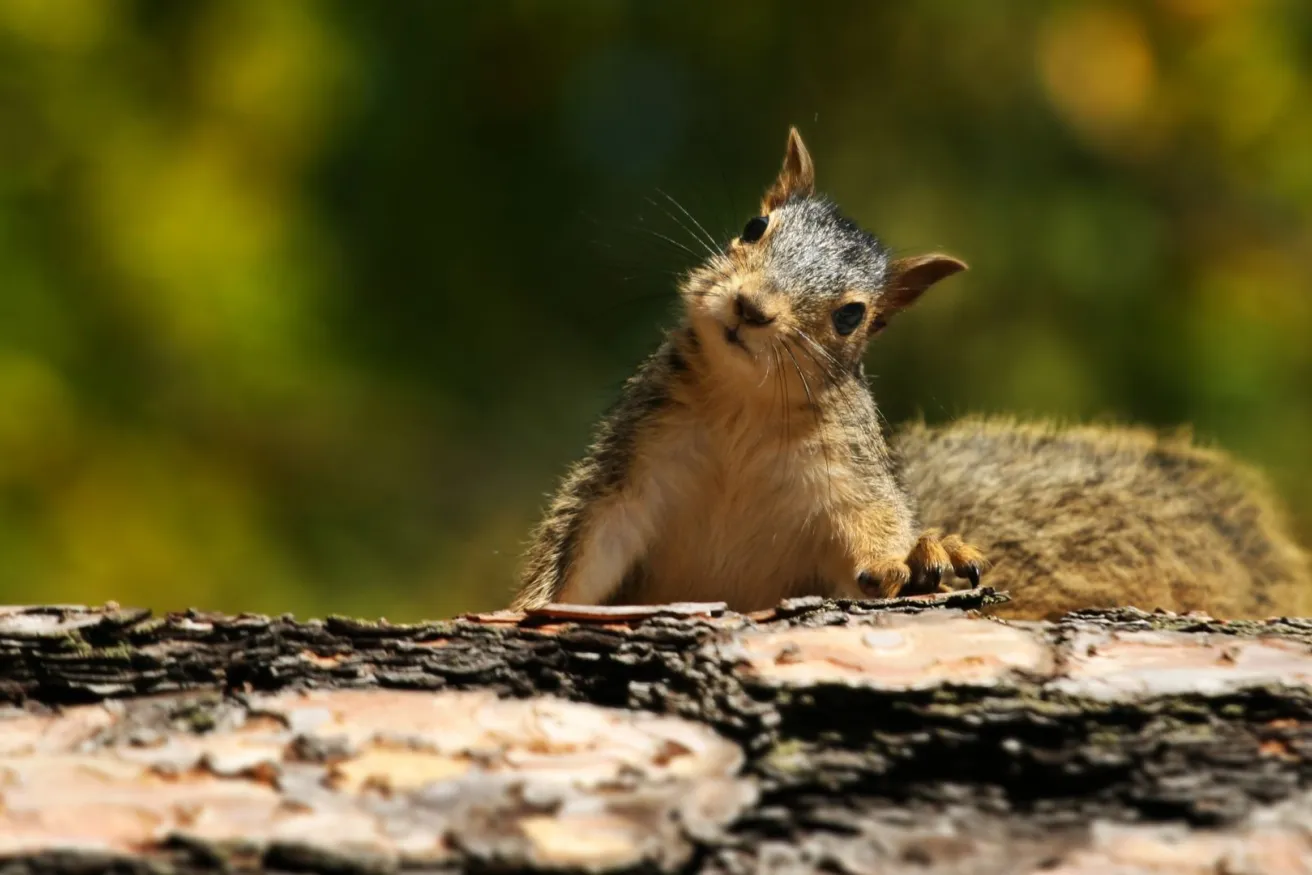
Our forests are home to critical wildlife habitat. When our forests are threatened, it also threatens the homes of all the diverse wildlife habitat that live there.
Natural disasters, urbanization, and agriculture are just a few of the common causes of deforestation. But as deforestation continues to rise, the animals that call it home start to disappear. These are just a few of the endangered and threatened animals disappearing as recorded by the U.S. Fish and Wildlife Service.
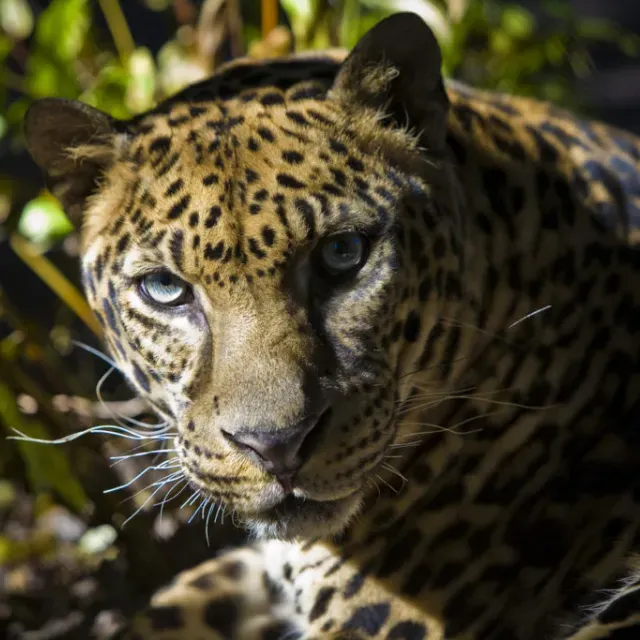
Jaguar
The jaguar is the second largest cat species in North America (after the cougar). Jaguar live in a range of habitats like forests and tropic forests, open terrains, swamps, and woodlands from Arizona and California to Louisiana and New Mexico. The jaguar also plays a key role in stabilizing ecosystems.
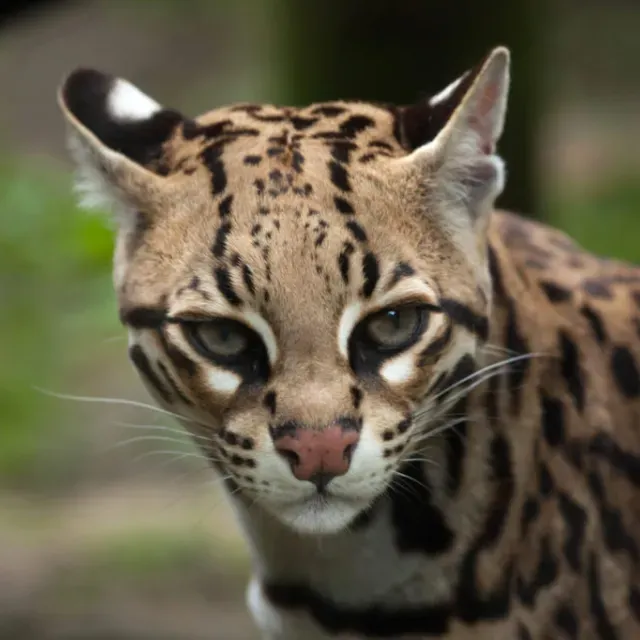
Ocelot
Native to the southwest U.S. and Mexico, the ocelot is a small wildcat with black speckles and stripes. It likes roaming at night and climbing trees to pester monkeys and birds. But unlike many cats, the ocelot also enjoys swimming.
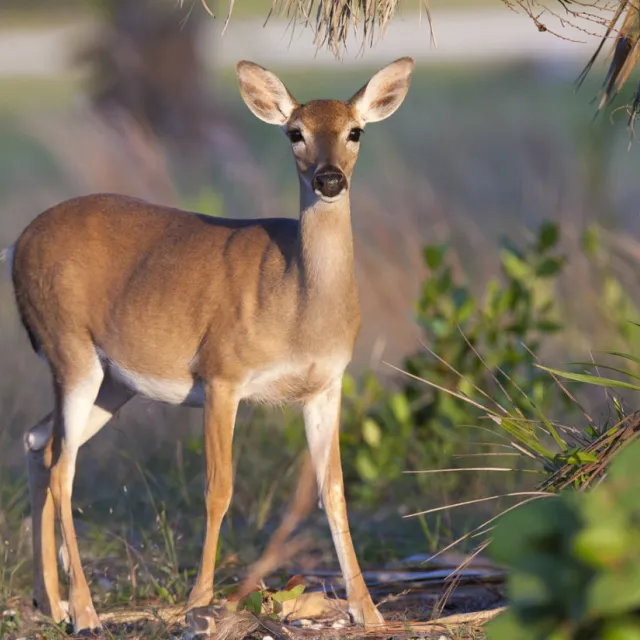
Key Deer
The key deer is the smallest species of deer on North America. Their favorite food is the red mangrove, but they will nibble on more than 150 species of native plants. They only live in the Florida Keys and can be found swimming between islands.
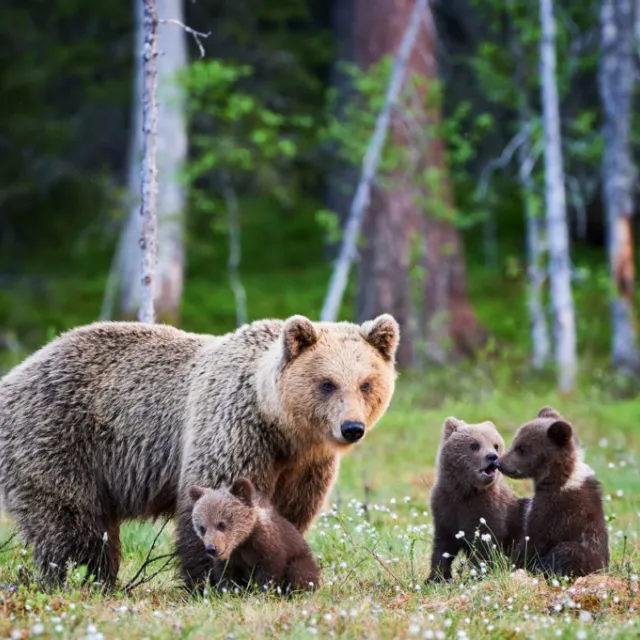
Grizzly Bear
The grizzly bear, often called the brown bear, is usually found in the northwest of North America. It is believed that there are only 1,500 grizzlies left in the U.S. They can vary in color from blond to deep brown to black depending on where they live. It’s believed that their habitat, diet, and temperature can impact their color.
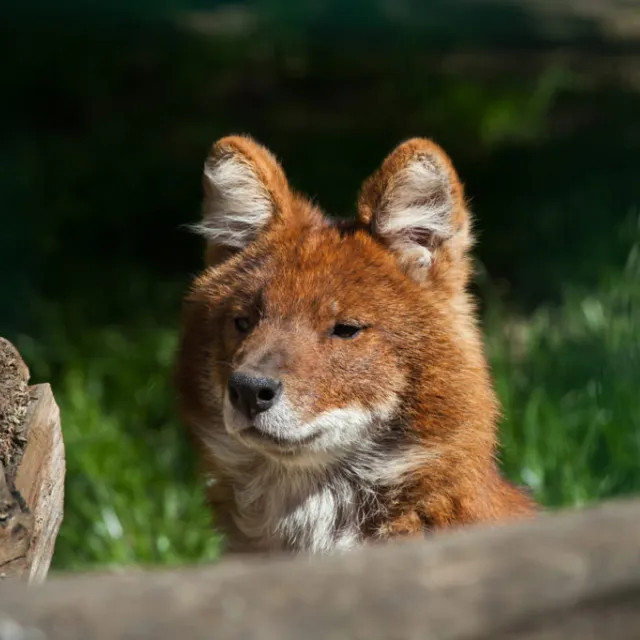
Red Wolf
The red wolf is considered the rarest species of wolf and is one of the five most endangered species of canid in the world. Named after its reddish fur, the red wolf is believed to be one of the first wolf species colonists discovered when they first came to the country. They are a cross between the coyote and gray wolf.
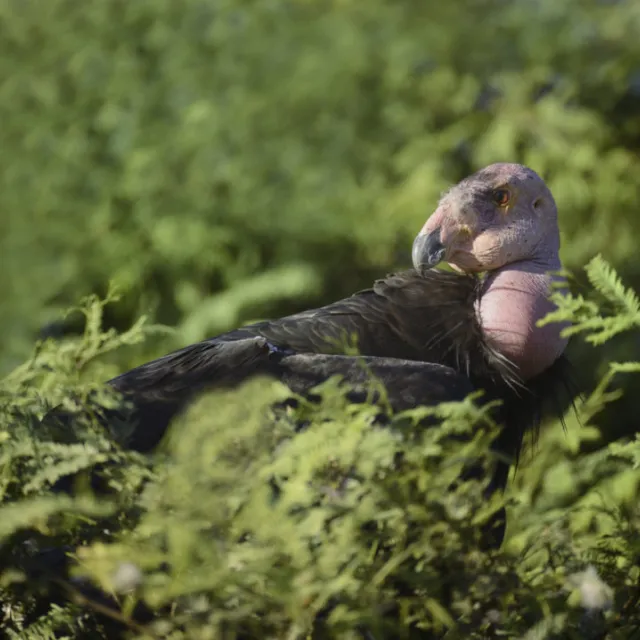
California Condor
The California Condor is the biggest North American land bird. In 1987 the condor became completely extinct in the wild. But thanks to captive breeding programs, the species has been reintroduced into the wild. The condor is the only survivor of the Gymnogyps genus.
There are many factors that affect the survival of precious wildlife. One of the first steps to protecting endangered and threatened species is protecting their habitat. When our forests start to disappear, so do the animals that call them home.