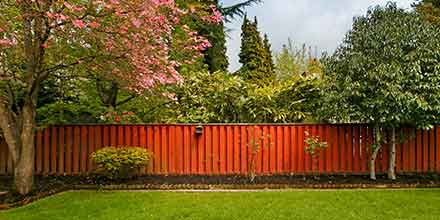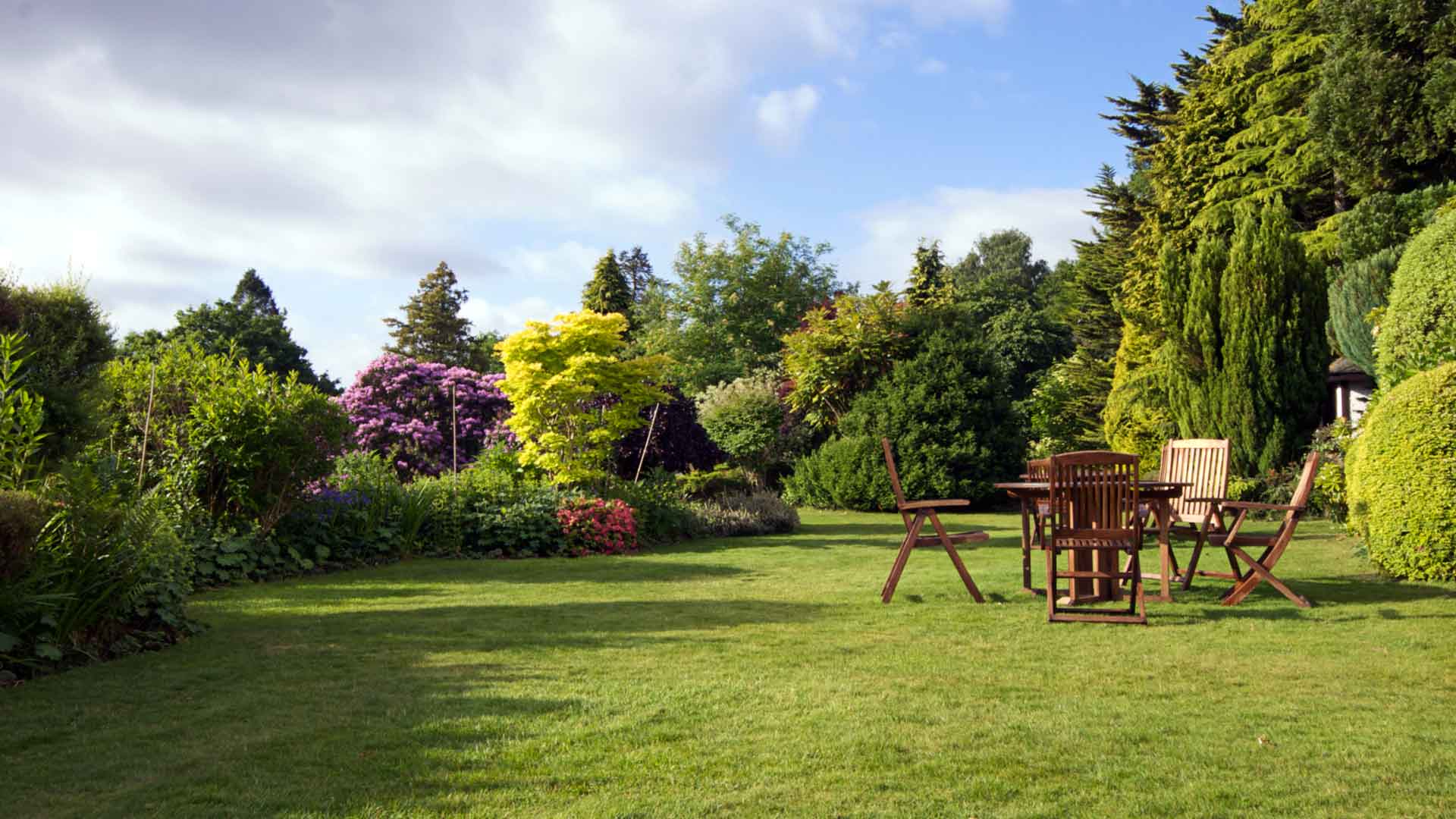
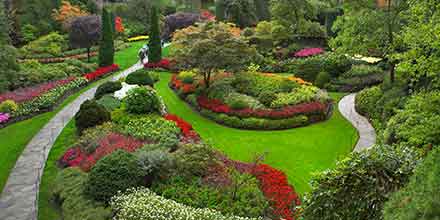
Clusters of deciduous blooms from mid-to-late summer in various shades of pink. Matures at 15-20 feet or may be pruned for an informal hedge. Does best in full sun and moist, well-drained soil. (zones 7-9)


Attributes:
Striking flowers, handsome bark, and attractive fall foliage all combine to make the crapemyrtle a favorite landscape shrub. It is particularly well suited for the hot, sunny climates of the southern and southwestern United States. Once established, it will tolerate considerable drought. A beautiful specimen tree, it is often used in groupings, containers, hedges and screens, urban settings, and as a small street tree. A great abundance of cultivars have been selected for size, flower color, disease resistance, and cold hardiness.
Description:
The common crapemyrtle is a deciduous, small to medium sized shrub or small tree with a variable, moderately dense habit, often multi-stemmed form. The showy pink flowers have wrinkled petals like crepe paper. The foliage is dark green changing in fall to yellows, oranges, and reds. The thin gray bark is exfoliating, exposing a smooth, vari-colored under bark ranging from brown to gray. It needs plenty of moisture when young. After it is established it will tolerate drought and grow well in limited soil spaces. During the growing season, new growth can be pinched to increase flower number and branchiness. The branches will droop as the tree grows. The lower branches are often thinned to show off the trunk form and color. Because pruning can significantly reduce cold hardiness, you should try to have it completed by early August. Plant 3-4 apart for a single row hedge.
Wildlife Value:
Attracts birds
History/Lore/Use:
The common crapemyrtle is a native of China and Korea. It is called the "lilac of the South." The number of cultivars is enormous. Among these, the U.S. National Arboretum introductions are important for their disease resistance, good flowering, and ornamental bark.
Moisture:
Prefers moist soil but has good drought tolerance
Leaves:
The leaves are opposite or the upper alternate, simple, 1-2 3/4" long, 3/4-1 1/2" wide, oval to oblong, lustrous medium to dark green with showy, yellow, orange or red colors in the fall. White flowered trees produce yellow fall color.
Flower Color:
Pink 6-8" long, 3-5" wide showy panicles on new growth.
Bloom Time:
late spring and summer into fall.