Ornamental evergreen with bright green to bluish needles. Dense, conical in shape, ideal in windbreaks or screens. Slow growing. Mature height of 30'-60' with 15'-25' spread. (zones 2-6)


Attributes:
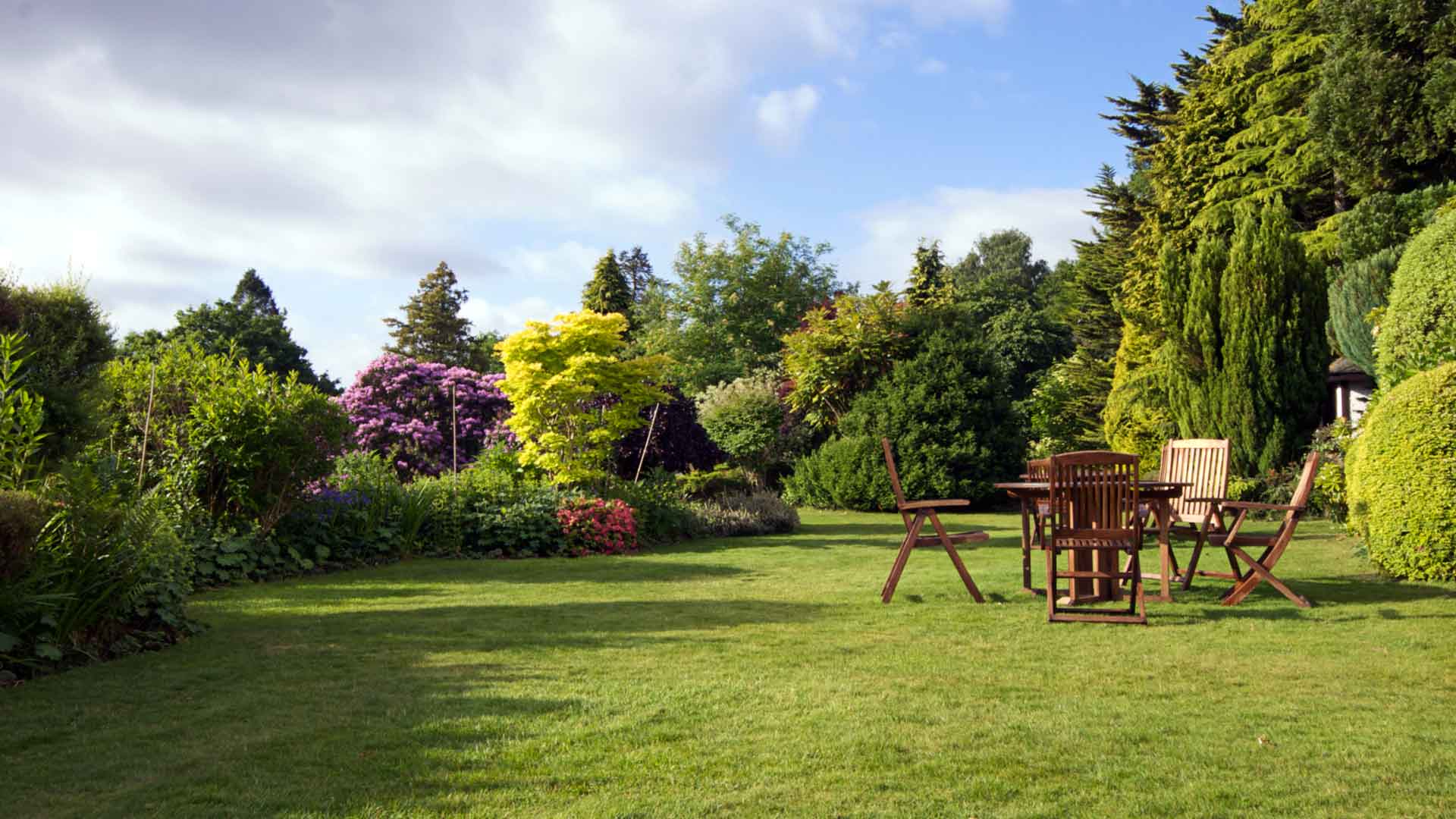
The Black Hills spruce is a good yard or ornamental tree. This evergreen has a conical form, compact, dense, ascending branches, and deep green colored needles. It is a tough tree for difficult sites. It is adapted to cold and is very resistant to winter injury. The Black Hills spruce can be used as a windbreak and shelterbelt, privacy screen, accent planting, group plantings in recreation areas and public grounds, Christmas tree. It requires little pruning.
Description:
A large evergreen tree with a central trunk and dense, ascending, lateral branches from the ground up that form a broad pyramidal to conical crown. It varies from the typical white spruce in its denser, more compact habit and slower growth rate. It has a shallow, fiberous, wide spreading root system. The thin bark is ashy gray or brown, shallowly fissured and separated into thin flaky scales. The needles are individually attached, and foliage color varies from deep green to blue green. The brown cylindrical cones appear in late July and may persist on the tree into January. It is better adapted than the white spruce. It grows best in acidic, moist loams with full sun, but adapts to a variety of conditions including shade, drought, hot and cold. It is flood intolerant and sensitive to soil compaction.
Wildlife Value:
The Black Hills spruce provides nesting sites for birds and makes a good winter cover. The seeds provide food for songbirds, upland ground birds, small mammals, the bark food for porcupines. The foliage is lightly browsed by deer.
History/Lore/Use:
The Black Hills spruce is a naturally occurring variety of the white spruce. It is native from New Foundland to Alaska, south to Maine, northern New York and Michigan, northern Minnesota, northwest Montana, the Black Hills of South Dakota and adjacent Wyoming. It is the state tree of South Dakota. Plains Indians used the inner bark and shoots for food, the hardened sap for gum. They collected the spruce wood for tipi poles. The soft wood is used for dimension lumber, pulp, boxes, and crates.
Moisture:
The Black Hills spruce prefers moist, well drained soil, but will tolerate dry, well drained sites.The Black Hills spruce prefers moist, well drained soil, but will tolerate dry, well drained sites.
Leaves:
The needles are single, somewhat rigid, sharply pointed, spirally arranged on the branches, 1/3"-3/4", dark green to blue green.
Flower Color:
Male is tan to pale red, female is greenish to purplish
Fruit Description:
The cones are tan brown, 1"-2" long, rounded smooth margin on the scales. The cones mature in a single season and may persist on the tree into mid-January.