Has distinctive ridged and furrowed bark. It produces drooping clusters of sweet nuts which are used in baking. Prefers moist soils. Grows to 40' to 60', 35'-50' spread. (Plant two trees for pollination) (zones 3-7)


Attributes:
The butternut or white walnut is one of the hardiest nut trees, A North American native, the nut has a rich, buttery flavor used in baking, confections, and eating fresh. The attractive, light golden wood is used for paneling and furniture.
Description:
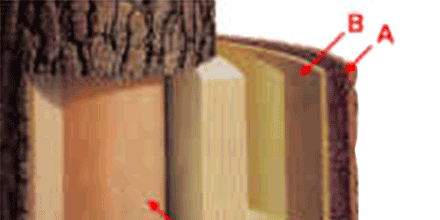
The butternut tree has distinctive, ridged and furrowed bark and a short, usually forked trunk with a wide, spreading, open crown. The late spring blooms can be damaged by late frosts. It is an alternate bearer meaning it will bear abundantly one year, less the next year or take a few years off before bearing again. The nuts store well. (Plant multiple trees to ensure pollination.) (zones 3-7)
Wildlife Value:
Nuts are valuable as food for deer, squirrels, and birds.
Leaves:
Pinnately compound, alternate, 11-19 stalkless leaflets, dull, fine hairy, dark green surface
Flower Color:
Yellow-green
Bloom Time:
Late May to early June.
Fruit Description:
A tapered. oblong, 1 1/2"-2 1/2" fruit covered with sticky hairs encloses a brown, corrugated, thick, 1"-1 1/2" shell that terminates in a point. The oval kernel is tender with sweet, oily, buttery flavor. Nut production occurs in 7-10 years. Harvested in late October.