Austrian Pine
Pinus nigra
- Very Hardy
- Withstands city and seaside conditions
- Able to survive through heat and droughts
- Grows well in clay and alkaline soils
- Great for windbreaks
- Grows to 60' tall with 20' to 40' spread
- Zones 4 to 7
- Can't Ship To: AK, AZ, CA, HI, ID, MT, OR, UT

Zones 4 - 7
The Austrian Pine can be expected to grow in the zones shown in color in the arborday.org zone map.VIEW MAP

evergreen
The Austrian Pine falls into the following type(s): Evergreens

60' High
The Austrian Pine grows to be 60' feet in height.

20' - 40' Spread
The Austrian Pine has a spread of about 20' - 40' at full maturity.

Medium Growth
This tree grows at a medium growth rate. [More about this.]

Full Sun
This pine does well in full sun.

Various Soils
The Austrian Pine grows in acidic, alkaline, drought tolerant, loamy, moist, sandy, well drained, wide range, clay soils.

Oval Shape
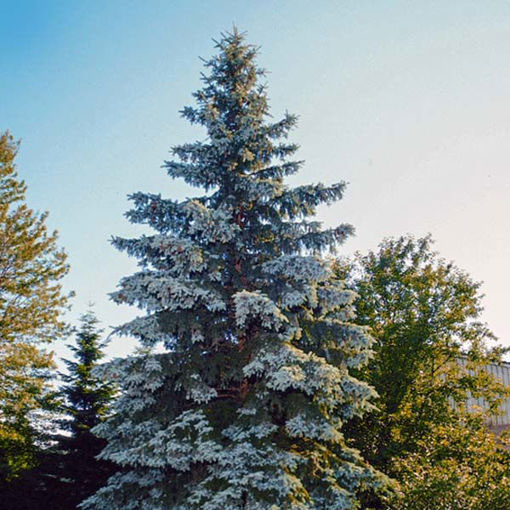
This pine has oval, pyramidal shape.

More Info
Attributes:
The Austrian Pine is extremely tolerant of adverse soil conditions and air pollution. This stately tree can be seen in parks, along streets, in residential landscapes, and as farm windbreaks throughout much of the United States. Landscapers use the dark beauty of these trees for backdrops, but it is also an excellent specimen tree because of its leaf pattern.
Wildlife Value:
Birds and squirrels enjoy Austrian pine seeds as they do other pine seeds. The large evergreens also provide shelter and nesting sites, particularly for birds such as owls.
History/Lore/Use:
The Austrian Pine is a native of Austria, northern Italy and Yugoslavia. It was introduced to the United States in 1759. Its forebears were likely worshipped by the Romans over 2000 years ago. Over 217 million were planted during the nation's great dust bowl shelterbelt project. It has thrived for over 200 years in some of the worst soil and climate conditions America has to offer.
Moisture:
Normal moisture requirements with some drought tolerance.
Leaves:
This tree has spiral; simple; two needles 3 to 6 inches long; dark green.
Flower Color:
Yellow, nondescript.
Bloom Time:
April-May.
Fruit Description:
The fruit is oval; 1 to 3 inches long; dry; brown.
Very hardy, withstanding city or seaside conditions, heat and drought, and clay and alkaline soils. Good for windbreaks. Grows to 60', with 20'-40' spread. (zones 4-7)
| Spring Shipping | Fall Shipping | ||||
|---|---|---|---|---|---|
| Color | Zone |
Approximate Ship Dates |
Order Deadline |
Approximate Ship Dates |
Order Deadline |
| 2 | 04/15–05/30 | 05/14 | 11/01–11/26 | 11/12 | |
| 3 | 04/15–05/30 | 05/14 | 11/01–11/26 | 11/12 | |
| 4 | 04/15–05/30 | 05/14 | 11/01–11/26 | 11/12 | |
| 5 | 04/15–05/30 | 05/14 | 11/01–11/26 | 11/12 | |
| 6 | 03/19–05/12 | 05/07 | 11/01–12/03 | 11/19 | |
| 7 | 03/11–05/07 | 04/30 | 11/05–12/10 | 11/26 | |
| 8 | 02/26–04/30 | 04/23 | 11/05–12/10 | 11/26 | |
| 9 | 02/26–04/30 | 04/23 | 11/05–12/10 | 11/26 | |
| 10 | 02/26–04/30 | 04/23 | 11/05–12/10 | 11/26 | |
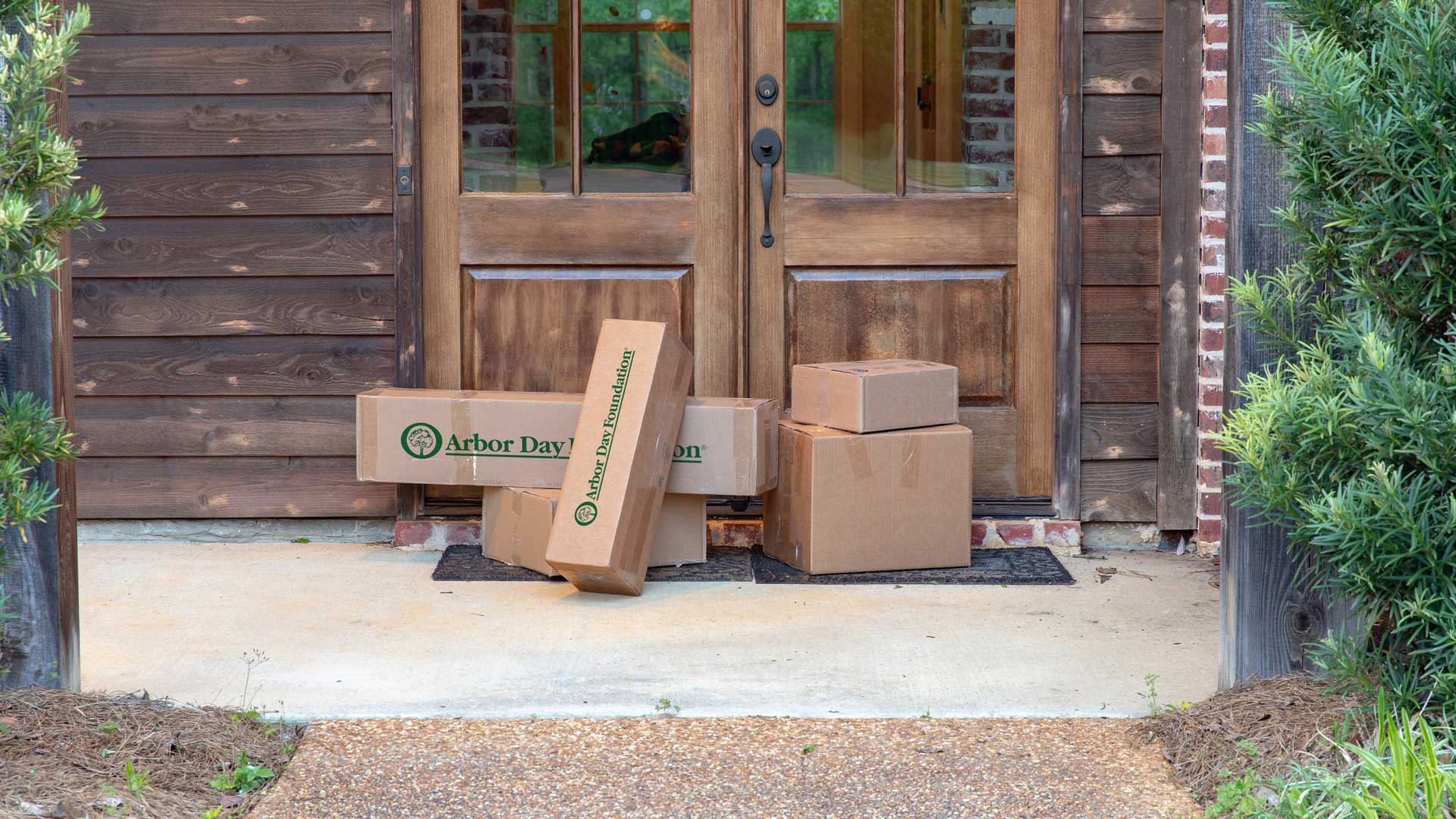
When you order trees from The Arbor Day Foundation, your order is guaranteed to arrive in a good, healthy condition or we'll replace them at no charge. Your trees will be shipped at a suitable time for planting.
Each tree is guaranteed to grow, or we'll replace it at one half the original price, plus shipping and handling.
The benefits of bare-root trees
Our trees are delivered with natural bare roots which have been dipped in hydrating gel prior to shipment to keep the roots moist and healthy. As their abundant, fibrous roots aren't confined by a container, bare-root trees get off to a more vigorous start compared to containerized roots which typically need more time to adjust to transplanting. Bare-root trees typically surpass the size of larger containerized trees in only a few years.


Natural root (also called bare root) trees are shipped without soil around their roots. They are shipped when dormant in the spring and fall seasons. We dip the roots in a hydrating gel to keep them moist during shipping.
Potted (also called containerized) trees come in 4" containers.